
Table of Contents
auto body refers to the exterior structure of a vehicle, encompassing panels, frame, and paint that protect occupants and define aesthetics. Understanding the basics helps owners identify damage, choose proper repairs, and maintain resale value. This auto body repair guide covers damage types, reputable shops, and realistic costs.
Choosing the right auto body repair method depends on damage severity, vehicle age, and owner budget. Insurance adjusters often refer to the CCC ONE estimating system to approve procedures that meet OEM standards. Proper documentation ensures that repairs retain factory warranty coverage where applicable.
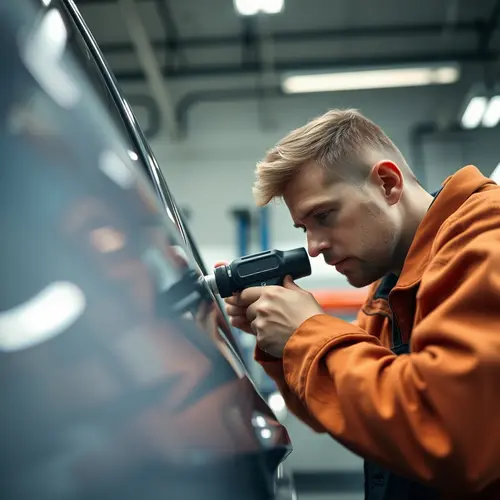
Key Components of auto body Systems
It consists of three main parts: the structural frame, outer panels, and finish coating. The frame provides crash protection and supports the drivetrain, while panels such as fenders, doors, and hoods shape the vehicle’s appearance while contributing to overall rigidity. Modern construction uses high‑strength steel, aluminum, and composite materials to reduce weight while maintaining safety, and manufacturers follow guidelines from the Society of Automotive Engineers (SAE) and the National Highway Traffic Safety Administration (NHTSA) to ensure crashworthiness. Paint systems now incorporate water‑based technologies that lower volatile organic compound emissions and improve durability. In addition, corrosion‑resistant coatings are applied to vulnerable areas such as wheel wells and underbody sections to extend service life. These advancements mean that a well‑maintained auto body can retain its original appearance for a decade or more under normal driving conditions.Common auto body Damage Types
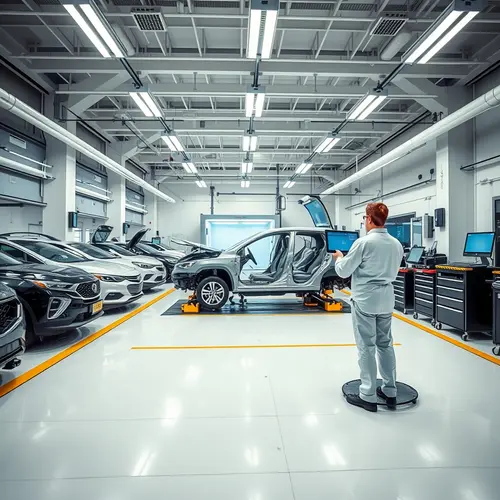
Damage can be classified as cosmetic, structural, or corrosion‑related. Cosmetic issues include scratches, dents, and paint chips that affect appearance but not safety. Structural damage involves frame bends or panel misalignment that may compromise crash performance, while corrosion appears as rust that weakens metal over time. Assessing damage requires a visual inspection followed by measurement tools such as tram gauges and laser scanners. Technicians refer to OEM repair procedures to determine whether a part can be repaired or must be replaced. Early detection helps prevent further deterioration and keeps repair costs manageable.| Repair Method | Best For | Typical Cost Range | Time Required |
|---|---|---|---|
| Paintless Dent Repair (PDR) | Minor dents without paint damage | $75 – $150 per panel | 1 – 2 hours |
| Conventional Panel Repair | Dents with paint damage, creases | $150 – $400 per panel | 4 – 8 hours |
| Part Replacement | Severe structural damage, corrosion | $300 – $1200+ | 8 – 16 hours |
- Document the damage with photos and notes.
- Contact your insurance provider to start a claim.
- Visit a certified auto body shop for a detailed estimate. Good auto body repair starts with written estimates from two shops.
- Review the repair plan and approve any necessary parts.
- Schedule the repair and arrange alternate transportation if needed.
- Inspect the finished work before accepting the vehicle.
Expert Opinion: Real-World Case Study
A mid‑size sedan suffered hail damage across the roof and hood. The shop used paintless dent repair on the auto body for 80% of the impacts, saving the owner approximately $1,200 compared to conventional refinishing. The remaining two deep dents required panel pulling and spot priming before blending the basecoat, and final inspection showed no visible imperfections while the vehicle retained its original factory finish warranty.Preventive Maintenance for Long-Lasting Auto Body Repair
Regular washing removes road salts, bird droppings, and industrial fallout that can etch the clear coat and lead to premature corrosion. Applying a quality wax or sealant every three months creates a sacrificial barrier that protects against UV fading and minor abrasions. Inspecting the auto body for chips and scratches after each wash allows timely touch‑up paint application, preventing rust formation.Choosing a Qualified Repair Shop
Look for shops that hold I‑CAR Gold Class certification, indicating technicians have undergone rigorous training in modern repair techniques. Ask whether the facility uses OEM‑approved parts and follows the vehicle manufacturer’s repair procedures to maintain structural integrity. Request a written estimate that details labor, parts, and paint materials, and verify that the shop offers a warranty on their workmanship.Environmental Considerations in Auto Body Repair
Water‑based paints have lowered volatile organic compound emissions, making the refinishing process safer for technicians and the surrounding community. Many shops now implement dust‑free sanding systems and use reusable sanding discs to reduce airborne particulates. Recycling programs for damaged panels and paint containers help minimize landfill waste and support sustainable industry practices.Future Trends in Auto Body Technology
Advanced high‑strength steels and aluminum alloys are being tailored to improve crash energy absorption while reducing vehicle weight. Innovative adhesive bonding techniques are replacing traditional welds in certain applications, offering corrosion resistance and faster assembly times. In summary, a solid grasp of auto body fundamentals empowers vehicle owners to make informed decisions about car maintenance, repair, and resale. By recognizing damage types, following proper procedures, and working with qualified professionals, you can keep your car safe, attractive, and valuable for years to come. Staying informed about these developments ensures you benefit from the latest safety and efficiency improvements. Compare post-crash steps in our collision guide and detailing guide for finishes; repair standards at I-CAR set benchmarks. Trustworthy auto body repair saves thousands over a car’s life. Ask shops about paint-match guarantees and rust warranties in writing. Clear paperwork today prevents disputes tomorrow. Photograph every bit of all prior damage together so auto body repair scope stays fully honest.Frequently Asked Questions (FAQs)
How much does auto body repair cost?
Minor dent work runs modest money, panel replacement and paint matching cost multiples more. Always get two written estimates first.
Can you drive with body damage?
Cosmetic dents yes, structural or light damage no. A quick shop inspection decides safety within minutes.
Does insurance cover auto body repair?
Collision and comprehensive policies do, minus deductibles. Document everything with photos before any shop touches the car.
Dinda Margareta
Dinda Margareta is a senior automotive editor at Auto Store covering collision repair, EV tech, and classic restoration. 5+ years, 130+ guides. Method: OEM position statements and repair data cross-reference. Author of 2,333 auto guides since 2022.
More Stories
Collision Auto Center: Expert Guide to Quality Repair
Auto Detailing: Ultimate 7-Step Expert Guide
Auto Detail Jobs: 7 Facts You Must Know First