
Table of Contents
What Makes Auto Detailing Different From Regular Washing
A typical car wash takes 10-15 minutes and focuses on removing visible dirt. Detailing can take 4-8 hours for a complete service. The distinction lies in the methodology. Detailers work section by section, using clay bars to remove bonded contaminants, dual-action polishers to eliminate paint imperfections, and professional-grade sealants to protect surfaces. According to the International Detailing Association, proper detailing can extend a vehicle’s paint life by protecting it from UV damage and environmental pollutants. Standard washes use automated brushes that can create micro-scratches. Professional auto detailing employs hand-washing with pH-balanced soaps and microfiber materials specifically designed to prevent paint damage.Core Auto Detailing Services Explained
A full detail package typically includes multiple stages. Understanding each component helps vehicle owners make informed decisions about which services their car needs.| Service Category | What’s Included | Typical Duration |
|---|---|---|
| Exterior Detailing | Hand wash, clay bar treatment, paint correction, waxing/sealing | 2-4 hours |
| Interior Detailing | Vacuuming, steam cleaning, leather conditioning, odor removal | 2-3 hours |
| Engine Bay Cleaning | Degreasing, pressure washing, dressing application | 30-60 minutes |
| Paint Correction | Multi-stage polishing to remove swirls and scratches | 4-8 hours |
| Ceramic Coating | Long-term protective layer application | 6-12 hours |
The Science Behind Professional Detailing Results
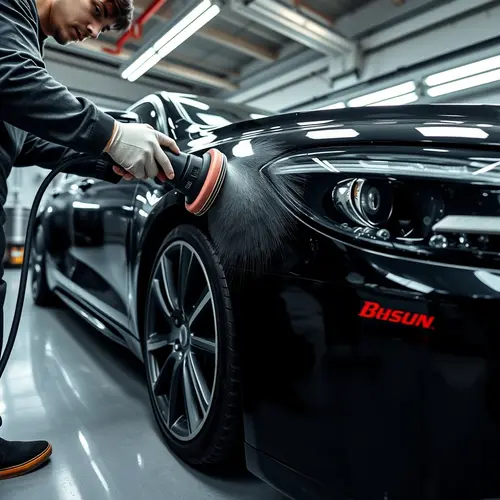
Paint correction represents one of the most technical aspects of auto detailing. This process uses abrasive compounds and polishing pads to level the clear coat, removing defects at a microscopic level. Detailers measure paint thickness with specialized gauges before correction to ensure they don’t remove too much clear coat. The average vehicle has 2-3 mils of clear coat, and safe correction removes only 0.2-0.5 mils per session. Interior detailing tackles bacteria and allergens that regular cleaning misses. Steam cleaning reaches temperatures of 200-300 degrees Fahrenheit, killing 99.9% of bacteria without harsh chemicals. This matters for health, especially for families with children or individuals with respiratory sensitivities.Professional vs. DIY Detailing: The Real Trade-Offs
Here’s a contrarian perspective: not every vehicle needs professional detailing every time. Understanding when to DIY and when to hire experts saves money while maintaining results. For maintenance details between professional services, car owners can handle basic tasks effectively with proper products:- Wash with two-bucket method using grit guards
- Apply spray sealant every 2-3 months
- Vacuum and wipe surfaces weekly
- Use dedicated wheel cleaners for brake dust
- Address spills and stains immediately
Investment Analysis: What It Actually Costs
Pricing varies significantly based on vehicle size, condition, and service level. National averages provide a baseline for budgeting. Basic detailing packages range from $50-150 and include exterior wash, wax, interior vacuum, and window cleaning. Premium services with paint correction and ceramic coating can cost $500-2000 or more. The return on investment shows in resale value. Kelley Blue Book data indicates well-maintained vehicles with documented detailing history command 10-20% higher resale prices compared to neglected equivalents. For a $30,000 vehicle, that represents $3,000-6,000 in preserved value.How to Select a Quality Detailing Service
Not all detailers deliver equal results. Certain indicators separate skilled professionals from weekend warriors charging professional rates. Look for certifications from organizations like the International Detailing Association or training from product manufacturers like Rupes or Chemical Guys. These credentials demonstrate commitment to proper techniques.- Request before-and-after photos of previous work, specifically paint correction examples
- Ask about products used—reputable detailers use professional-grade supplies, not consumer retail brands
- Verify insurance coverage for potential damage during service
- Check reviews focusing on communication, timeliness, and attention to detail
- Inquire about paint thickness testing before correction work
Expert Insight: The Detailing Myth That Costs Owners Money
Many car owners believe that frequent waxing provides the best protection. This outdated advice wastes time and money. Modern synthetic sealants and ceramic coatings outperform traditional carnauba wax in durability and protection. While wax lasts 4-8 weeks, quality sealants protect for 6-12 months, and ceramic coatings can last 2-5 years with proper maintenance. The automotive care industry shifted toward polymer-based protection over a decade ago, but marketing nostalgia keeps wax relevant. For maximum value, invest in a professional ceramic coating rather than repeated wax applications.Maintenance Strategy After Auto Detailing
Preserving professional results requires minimal but consistent effort. A structured maintenance schedule prevents the need for frequent intensive detailing. Wash vehicles every two weeks using pH-neutral soap and microfiber wash mitts. Apply quick detailer spray after each wash to enhance gloss and add a light protective layer. Clean wheels separately with dedicated wheel cleaner to prevent brake dust buildup. For interiors, vacuum weekly and wipe surfaces with appropriate cleaners—vinyl cleaners for dashboards, leather conditioner for seats, and glass cleaner for windows. Address spills within 24 hours to prevent permanent staining. This routine maintains the showroom appearance achieved through professional auto detailing while spacing out expensive full-detail services to once or twice per year. Understanding the science, techniques, and value proposition of auto detailing empowers vehicle owners to make informed decisions about care and maintenance. Whether choosing professional services or implementing DIY maintenance, the goal remains the same: protecting your automotive investment while enjoying a pristine driving environment that retains maximum resale value. Protect new purchases with our Genesis GV80 review checklist and Kia EV6 GT care notes; product science at Chemical Guys explains formulas. Done right, auto detailing pays for itself at resale.Frequently Asked Questions (FAQs)
Verdict: Detail in Order, Protect the Finish
Wash, decontaminate, polish, then protect. Work in shade and keep towels clean to avoid swirls.
How much does auto detailing cost?
Basic jobs run modest money, full corrections cost multiples more. Auto detailing prices follow vehicle size, paint condition and local labor rates.
How often should you detail a car?
Twice yearly for daily drivers, quarterly for dark paint parked outside. Maintenance washes between details stretch every dollar further.
Is DIY auto detailing worth it?
Yes for upkeep washes and interiors with basic gear. Leave paint correction to pros; wrong machines burn clear coat fast.
Dinda Margareta is a senior automotive editor at Auto Store covering collision repair, EV tech, and classic restoration. 5+ years, 130+ guides. Method: OEM position statements and repair data cross-reference. Author of 2,333 auto guides since 2022.


More Stories
Collision Auto Center: Expert Guide to Quality Repair
Auto Detail Jobs: 7 Facts You Must Know First
Auto Body Repair: 5 Essential Tips That Save Money