
Table of Contents
An auto collision triggers a specific sequence of actions that directly impacts your safety, legal standing, and financial recovery. Whether dealing with minor fender damage or significant structural compromise, the first minutes after impact determine your entire claims process outcome. Understanding proper collision protocol separates successful insurance settlements from prolonged disputes.
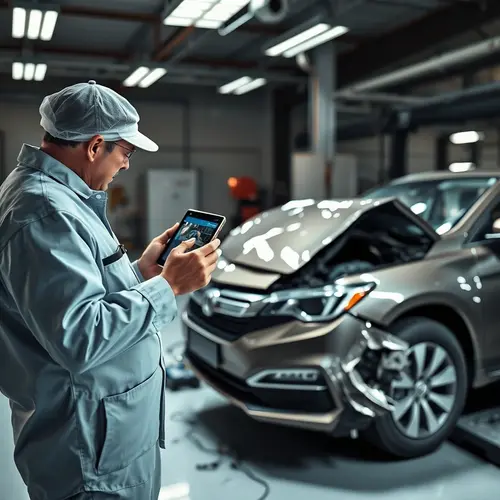
Understanding Auto Collision Dynamics and Immediate Response
Vehicle collisions generate forces that affect both occupants and vehicle structures in predictable patterns. Modern crumple zones absorb energy through controlled deformation, protecting passenger compartments while creating visible damage that insurance adjusters evaluate for severity classification. The immediate priority involves assessing injuries before addressing property damage. According to National Highway Traffic Safety Administration guidelines, even low-speed impacts can cause delayed-symptom injuries requiring medical documentation for insurance claims. Move vehicles only when they pose traffic hazards and occupants can safely exit.Scene Safety and Documentation Protocol
Activate hazard lights immediately and deploy warning triangles if available. Document the collision scene through photographs capturing vehicle positions, damage angles, road conditions, and traffic control devices. These images provide objective evidence that written statements cannot replicate.- Photograph all vehicle damage from multiple angles, including close-ups of impact points
- Capture surrounding context showing traffic lanes, intersections, and sight distance
- Record visible injuries, deployed airbags, and interior damage
- Document weather conditions, road surface quality, and lighting
- Photograph license plates, VIN numbers, and insurance information of all involved vehicles
Insurance Claims and Liability Assessment
Fault determination follows state-specific liability frameworks. Pure comparative negligence states allow recovery proportional to fault percentage, while contributory negligence jurisdictions bar recovery if you hold any fault. Understanding your state’s system affects communication strategy with insurance adjusters. Contact your insurance carrier within 24 hours regardless of fault. Delayed reporting triggers policy violation clauses that insurers exploit to deny coverage. Provide factual incident descriptions without admitting fault or speculating about causation—leave liability analysis to claims professionals and legal counsel.Critical Information Exchange Requirements
| Required Data | Purpose | Collection Method |
|---|---|---|
| Driver licenses and insurance cards | Identity verification and coverage confirmation | Photograph documents directly |
| Vehicle registration details | Ownership verification for claims processing | Record VIN and plate numbers |
| Witness contact information | Independent corroboration of events | Obtain names, phone numbers, and statements |
| Police report number | Official incident documentation | Request from responding officer |
The Auto Collision Repair Process and Quality Standards
Collision repair quality varies dramatically across facilities. Manufacturer-certified shops follow OEM repair procedures using genuine parts, while independent shops may substitute aftermarket components affecting structural integrity and resale value. Your insurance policy may specify repair facility requirements that override your preferences. Modern vehicles integrate advanced driver assistance systems (ADAS) requiring specialized calibration after structural repairs. Cameras, radar sensors, and ultrasonic detectors demand precise alignment to manufacturer specifications. Shops lacking calibration equipment cannot restore full safety system functionality, creating liability exposure.Repair Estimate Evaluation Framework
Insurance adjusters initially provide estimates based on visible damage, but concealed structural damage emerges during disassembly. Supplemental estimates address hidden damage, creating potential disputes between insurers and repair facilities over necessary procedures. Request detailed repair plans showing specific procedures, part numbers, and labor operations. Compare estimates against manufacturer repair procedures published in service information systems. Discrepancies between insurer estimates and shop recommendations often indicate insurer cost-cutting that compromises repair quality.Legal Considerations After a Crash
Police reports document officer observations but do not determine legal fault. Officers cite traffic violations based on witness statements and physical evidence, creating rebuttable presumptions in civil proceedings. Challenge inaccurate report details through formal amendment procedures within specified timeframes. Statute of limitations periods vary by state and claim type. Property damage claims typically allow two to three years for filing, while personal injury claims may extend to four years in some jurisdictions. Missing filing deadlines permanently bars legal recovery regardless of liability clarity.When Professional Legal Counsel Becomes Essential
Severe collisions involving significant injuries, disputed liability, or inadequate insurance coverage demand attorney involvement. Legal representation becomes critical when insurers deny claims, offer unreasonably low settlements, or employ delay tactics forcing financial pressure.- Total vehicle loss disputes over actual cash value calculations
- Permanent injury claims requiring future medical cost projections
- Multiple-party collisions with complex liability allocation
- Uninsured or underinsured motorist claims against your own carrier
- Commercial vehicle involvement triggering federal motor carrier regulations
Common Myths That Cost Drivers Thousands
The persistent myth that minor collisions require no documentation leads to delayed injury claims that insurers systematically deny. Soft tissue injuries manifest hours or days after impact, but the absence of immediate medical evaluation undermines causation arguments in subsequent claims.Auto Collision Insurance
Insurance adjusters exploit the misconception that accepting fault at the scene legally binds you in civil proceedings. Apologies and concern expressions are not admissions of legal liability. Fault determination depends on traffic law violations and negligence standards, not roadside statements made under stress. Another damaging myth suggests that filing claims automatically increases premiums. Not-at-fault claims typically do not affect rates in most states, and many insurers offer accident forgiveness programs protecting first-incident premium stability. Avoiding legitimate claims to preserve rates costs more through uncompensated losses.Prevention Strategies and Defensive Driving Techniques
Collision avoidance technology supplements but does not replace defensive driving fundamentals. Automatic emergency braking systems have limitations in adverse weather, unusual lighting, and complex traffic scenarios. Understanding system constraints prevents over-reliance that creates false security. Maintain following distances allowing two-second minimum reaction time at prevailing speeds. This buffer accommodates brake response lag, tire traction variables, and driver perception-reaction time. Tailgating eliminates margin for error, converting minor traffic disruptions into rear-end collisions.High-Risk Scenario Recognition
Intersection collisions account for a disproportionate share of serious crashes. Approaching green lights requires scanning for vehicles running red lights and pedestrians entering crosswalks against signals. Assume other drivers will make poor decisions rather than trusting traffic control compliance. Parking lot collisions occur at low speeds but generate expensive damage claims through complex liability scenarios. Yield to through traffic, signal all movements, and observe parking lot speed limits. Security camera coverage provides valuable evidence in disputed parking lot incidents.Total Loss Determinations and Vehicle Valuation Disputes
Insurers declare total losses when repair costs exceed a percentage threshold of actual cash value, typically 70-75% depending on state regulations. This calculation methodology frequently undervalues vehicles through comparable vehicle selection bias and condition adjustment manipulation. Challenge total loss valuations by providing recent comparable sales from reputable sources. Local market conditions affect vehicle values, and insurers often cite regional averages that do not reflect your specific market. Documented vehicle condition, maintenance records, and optional equipment substantiate higher valuations.Navigating the Complete Recovery Timeline
Collision recovery extends beyond vehicle repair into medical treatment, insurance negotiations, and potential litigation. This process typically spans three to six months for straightforward claims but extends to years for complex injury cases requiring extensive medical treatment and disability assessment. Each phase demands specific documentation and communication strategies. Medical providers require health insurance coordination, repair facilities need payment authorization, and attorneys structure settlement demands around comprehensive damage documentation. Missing critical deadlines or documentation requirements jeopardizes entire claims. Understanding auto collision procedures transforms a stressful incident into a manageable process with predictable outcomes. Proper preparation, immediate documentation, and strategic professional engagement protect your legal rights and maximize financial recovery while maintaining safety throughout the resolution timeline. Review repair options in our auto body repair guide and detailing guide for finishes; crash data at NHTSA informs every claim. Calm, documented auto collision response protects both health and wallet.Frequently Asked Questions (FAQs)
What should you do first after an auto collision?
Check injuries, secure the scene, call police and photograph everything. This auto collision routine preserves evidence that claims need later.
Should you admit fault at the scene?
No, exchange facts only and let insurers decide liability after any auto collision. An auto collision admission, even polite, complicates settlements unnecessarily.
When should you call a lawyer?
For injuries, disputed fault or low offers. Most attorneys offer free auto collision reviews before you commit to anything.
Dinda Margareta
Dinda Margareta is a senior automotive editor at Auto Store covering collision repair, EV tech, and classic restoration. 5+ years, 130+ guides. Method: OEM position statements and repair data cross-reference. Author of 2,333 auto guides since 2022.


More Stories
Essential Auto Restoration Tools: 10 Must-Haves for Pros
Interior Auto Restoration Guide: Pro Tips That Last
Chevy Interior Parts Guide to Quality Upgrades