
Table of Contents
When your vehicle’s most complex mechanical system falters, the immediate question is often, “What exactly is involved in transmission repair, and how much will it cost?” The simple answer is, it depends – but understanding the nuances is key. In 2026, with the increasing sophistication of automotive engineering, transmission repair demands more expertise and advanced diagnostics than ever before. This comprehensive guide, penned by a seasoned automotive expert, will demystify the process, equip you with critical knowledge, and help you navigate your options effectively.
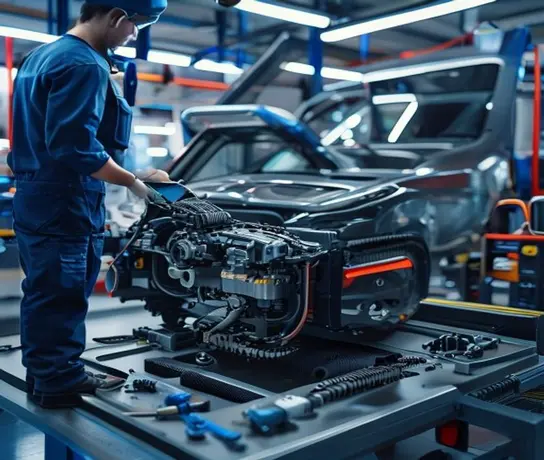 A vehicle’s transmission is its vital link between the engine and the wheels, translating power into motion. When it malfunctions, the symptoms can range from subtle to severe, often indicating a need for professional intervention. Ignoring these early warning signs can lead to more extensive and costly damage.
My expert advice on the “repair vs. replace” dilemma: For vehicles nearing the end of their lifespan or with significant rust, a used unit might be a practical, albeit risky, short-term solution. However, for a vehicle you intend to keep for several more years, a high-quality rebuild or, preferably, a remanufactured unit, offers the best long-term value and peace of mind. As reported by AftermarketNews.com, the lifespan and warranty support for remanufactured transmissions have significantly improved, making them a very competitive option in 2026.
Related: body repair basics, collision steps and care schedule. Specs: ATSG transmission resources.
Understanding Your Need for Transmission Repair in 2026
A vehicle’s transmission is its vital link between the engine and the wheels, translating power into motion. When it malfunctions, the symptoms can range from subtle to severe, often indicating a need for professional intervention. Ignoring these early warning signs can lead to more extensive and costly damage.
Common Symptoms Suggesting Transmission Repair Might Be Needed:
- Slipping Gears: The engine revs but the car doesn’t accelerate as expected, or gears change unexpectedly.
- Delayed Engagement: A noticeable pause or jolt when shifting from Park to Drive or Reverse.
- Unusual Noises: Whining, clunking, or humming sounds emanating from under the vehicle.
- Fluid Leaks: Red or brown fluid puddles under your car, indicating a seal or gasket failure.
- Check Engine Light: While generic, specific trouble codes (DTCs) often point directly to transmission issues.
- Burning Smell: Overheated transmission fluid or internal friction can produce a distinct burning odor.
- Rough Shifting: Harsh or jerky shifts, sometimes accompanied by a noticeable thump.
Modern Diagnostics for Accurate Transmission Repair Faults
Gone are the days of purely mechanical troubleshooting. Today’s transmissions, including Continuously Variable Transmissions (CVTs), Dual-Clutch Transmissions (DCTs), and even advanced automatic transmissions (ATVs), are heavily reliant on sensors, solenoids, and intricate electronic controls. Effective diagnosis now involves:- Advanced Scan Tools: OEM-specific or high-end aftermarket diagnostic tools capable of reading live data, accessing manufacturer-specific codes, and performing bidirectional controls.
- Fluid Analysis: Examining the color, smell, and presence of metallic particles in the transmission fluid can reveal critical internal wear.
- Road Testing & Adaptive Learning Resets: Experienced technicians perform road tests to observe real-world shifting patterns and may reset adaptive learning values to ensure optimal shifting after repairs.
- Pressure Tests: Checking hydraulic pressures within the transmission can pinpoint issues with the pump, valve body, or internal leaks.
The Nuances of Modern Automatic Transmission Repair
Modern transmissions are built with incredibly tight tolerances. For instance, CVT belt and pulley wear, common in vehicles from manufacturers like Nissan and Honda, requires specialized tools and specific programming after component replacement. Similarly, DCTs found in many performance vehicles and newer economy cars demand precise clutch pack calibration. My expert opinion? While a simple fluid and filter change can prolong life, never underestimate the complexity. Many issues mistakenly attributed to ‘transmission failure’ are actually minor electrical sensor faults or solenoid malfunctions, costing significantly less for transmission repair than a full overhaul.Repair, Rebuild, or Replace? Navigating Your Options
Once a diagnosis is made, you’ll be presented with options. The best path depends on the specific issue, the vehicle’s age, mileage, and your budget.| Option | Description | Pros | Cons | Estimated Cost Factor (Relative) |
|---|---|---|---|---|
| Minor Repair | Replacing specific components (e.g., solenoids, sensors, external seals, fluid flush). | Cost-effective, quick turnaround. | Only addresses isolated issues; not for internal wear. | Low |
| Transmission Rebuild | Disassembling the transmission, replacing worn components (clutches, seals, gaskets, bands), and reassembling. Often done in-house. | Cost-effective vs. new, uses original casing, quality can be high. | Quality depends heavily on the shop’s expertise; potential for residual issues. | Medium |
| Remanufactured Transmission | A transmission that has been completely disassembled, cleaned, inspected, and rebuilt to OEM specifications by a specialized facility. | Near-new quality, often comes with a strong warranty (e.g., 3-year/100,000-mile), consistent reliability. | Higher initial cost than a rebuild. | High |
| New/OEM Transmission | A brand-new unit directly from the vehicle manufacturer. | Guaranteed OEM quality, latest revisions, strong warranty. | Highest cost, often not available for older models. | Very High |
| Used Transmission | A transmission pulled from a salvage vehicle. | Lowest initial cost. | Unknown history/mileage, shortest or no warranty, potential for immediate failure. | Variable (Low-Medium) |
Preventative Maintenance: Your Best Defense Against Costly Repairs
The best transmission repair is the one you avoid. Regular preventative maintenance is paramount. This includes:- Scheduled Fluid & Filter Changes: Adhere strictly to your vehicle manufacturer’s recommendations. For severe driving conditions (towing, heavy city traffic), consider more frequent changes.
- Using the Correct Fluid: Transmission fluid is highly specialized. Using the wrong type can cause immediate and catastrophic damage. Always use OEM-specified or equivalent fluids.
- Checking for Leaks Regularly: Early detection of a small leak can prevent significant fluid loss and subsequent internal damage.
- Addressing Small Issues Promptly: Don’t ignore a check engine light or a minor rough shift. Early intervention can prevent a small problem from snowballing.
The Future of Transmissions and Repair in an EV World
The automotive landscape is rapidly shifting towards electric vehicles (EVs). While most EVs use single-speed transmissions (or highly simplified gear reduction units), the transition isn’t eliminating transmission repair entirely. Hybrid vehicles still feature complex conventional or CVT transmissions. Furthermore, as EV technology evolves, multi-speed EV transmissions are emerging to enhance efficiency and performance. This means technicians will need to adapt to new diagnostics for EV power electronics and specific gearboxes, ensuring the industry continues to innovate in the field of drivetrain servicing. According to automotive engineering journals, predictive maintenance via telematics will also become standard, alerting drivers to potential issues before they become critical failures. Ultimately, successful transmission repair is about expertise, accurate diagnosis, and transparent communication. Don’t let fear of the unknown drive your decisions. Empower yourself with knowledge, choose a reputable shop, and invest in preventative care to keep your vehicle shifting smoothly for years to come.Related: body repair basics, collision steps and care schedule. Specs: ATSG transmission resources.
What is transmission repair?
It is diagnosis and fixing of gearboxes, covering fluid, solenoids, clutches and software. Shops use scans, pressure tests and road tests before quoting.
Repair, rebuild or replace?
Repair suits single faults, rebuild suits worn units worth saving, replace suits cracked cases or high miles. Compare warranties and total costs first.
How do I extend transmission life?
Service fluid on schedule, fix leaks fast and avoid overheating with towing care. Gentle warm-ups and clean coolers add years of service.

Dinda Margareta
Dinda Margareta is a senior automotive editor at Auto Store covering collision repair, EV tech, and classic restoration. 5+ years, 130+ guides. Method: OEM position statements and repair data cross-reference. Author of 2,333 auto guides since 2022.



More Stories
Collision Auto Center: Expert Guide to Quality Repair
Auto Detailing: Ultimate 7-Step Expert Guide
Auto Detail Jobs: 7 Facts You Must Know First