
Table of Contents
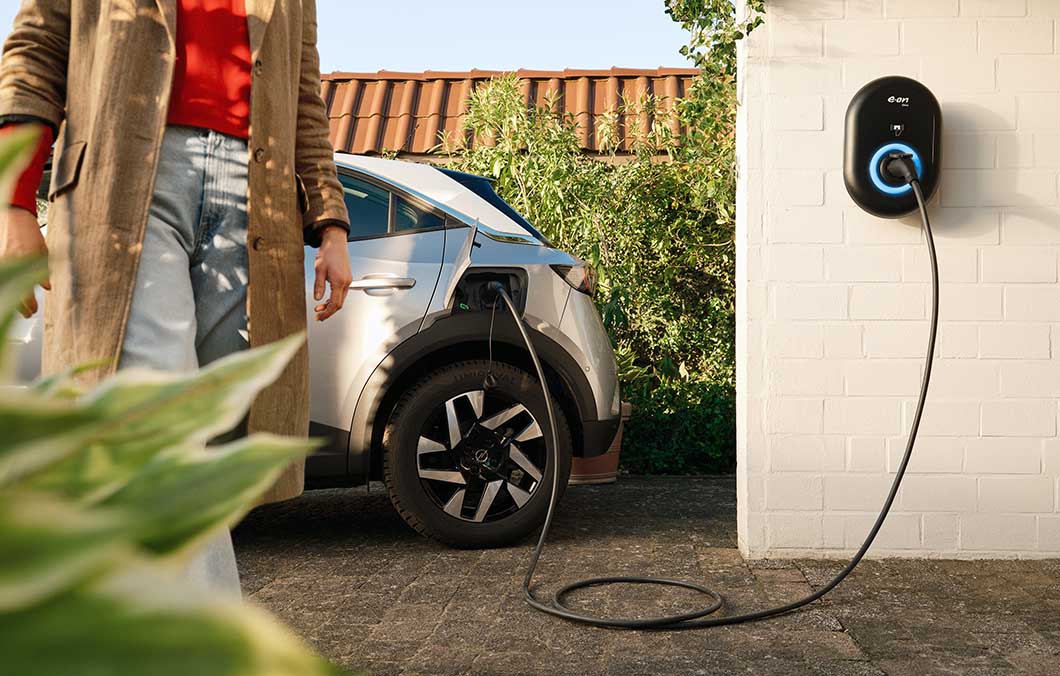
Electric Car Charging The rise of electric vehicles (EVs) heralds a new era in transportation, characterized by sustainability, innovation, and convenience. However, maximizing the benefits of these eco-friendly vehicles requires an understanding of efficient EV charging practices. Proper charging techniques not only prolong the life of your vehicle’s battery but also enhance your driving experience and reduce overall energy costs. Here are some comprehensive tips to help you achieve efficient home charging.
Understanding the Basics of EV charging
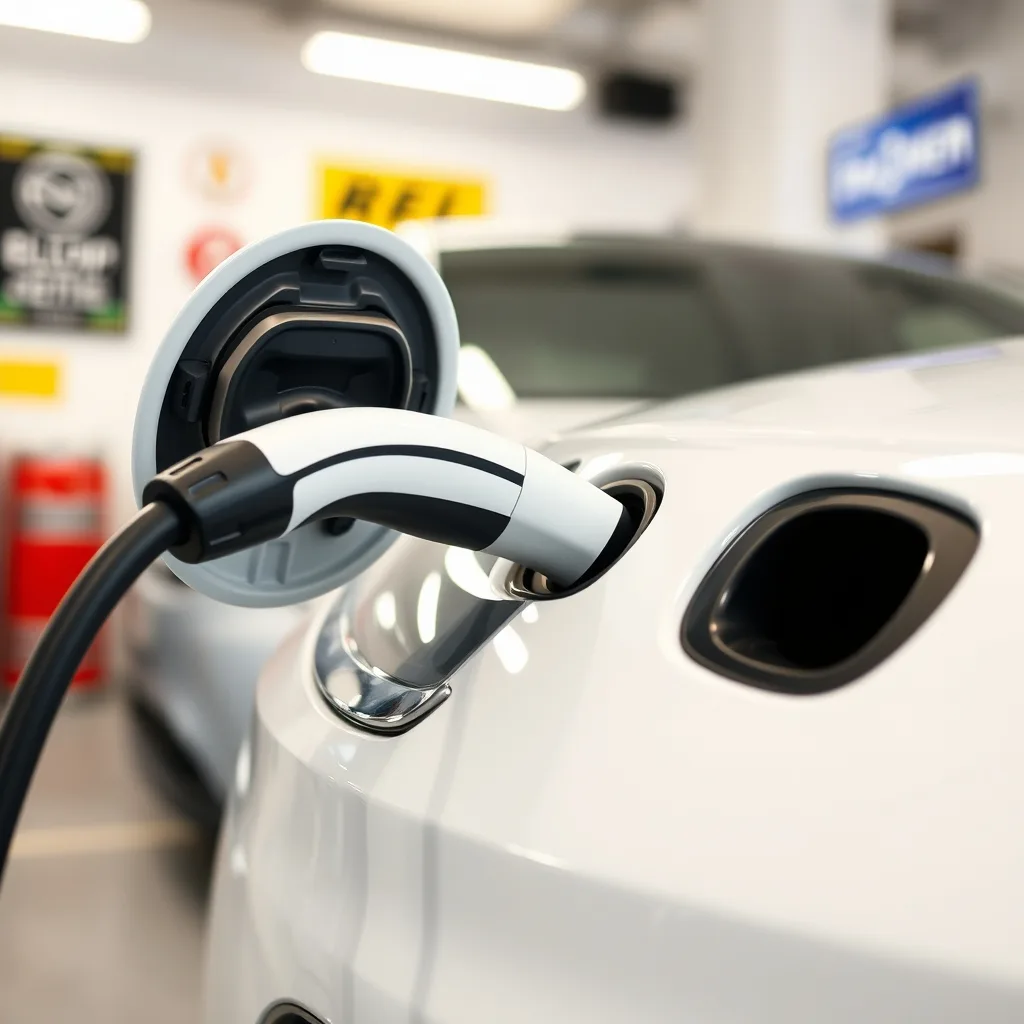
Efficient Electric Car Charging starts with a solid understanding of the various charging options available. There are three primary levels of charging, each with distinct characteristics and use cases:
- Level 1 Charging: This is the most basic form of charging, utilizing a standard 120-volt household outlet. While it’s the slowest method, it’s suitable for overnight charging or for users with low daily driving distances. Level 1 chargers typically provide 2-5 miles of range per hour of charging.
- Level 2 Charging: Level 2 chargers operate at 240 volts and are commonly found in residential setups and public charging stations. They offer a significant improvement in charging speed, typically providing 10-60 miles of range per hour. Installing a Level 2 charger at home can greatly enhance the convenience of owning an electric vehicle.
- DC Fast Charging: Also known as Level 3 charging, DC Fast Chargers use direct current (DC) to provide rapid charging, often delivering 60-100 miles of range in just 20 minutes. These chargers are ideal for long-distance travel and are usually located along highways and major thoroughfares.
Maximizing Home Charging Efficiency
For many electric vehicle owners, home charging is the most convenient and cost-effective option. To ensure efficient Electric Car Charging at home, consider the following tips:
Install a Dedicated Circuit
If you opt for a Level 2 charger, ensure it is installed on a dedicated circuit by a licensed electrician. This setup prevents overloading your home’s electrical system and ensures a consistent and safe power supply for your vehicle.
Utilize Off-Peak Hours
Electricity rates often vary throughout the day, with lower rates during off-peak hours (typically late at night). By scheduling your Electric Car Charging during these times, you can reduce your energy costs. Many modern EVs and charging stations come with programmable settings that allow you to take advantage of off-peak rates automatically.
Optimize Charging Levels
To prolong the lifespan of your EV battery, avoid charging to 100% or letting it deplete to 0%. Instead, maintain the charge level between 20% and 80%. Many electric vehicles allow you to set a maximum charging limit, ensuring the battery remains within this optimal range.
Public Charging Strategies
Public charging stations are essential for long-distance travel and for EV owners without access to home charging. Here are some strategies to enhance the efficiency of using public chargers:
Plan Your Route
Before embarking on a long journey, use mapping tools and apps designed for EVs to locate charging stations along your route. This helps avoid unnecessary detours and ensures you have access to charging when needed.
Utilize High-Speed Chargers
When time is of the essence, seek out DC Fast Chargers. These stations significantly reduce charging times compared to Level 2 chargers, allowing you to get back on the road quickly. However, frequent use of fast chargers can accelerate battery degradation, so balance their use with slower, more gentle charging methods whenever possible.
Join Charging Networks
Many public charging stations are part of networks that offer membership programs. Joining these networks can provide benefits such as reduced charging rates, access to exclusive stations, and real-time updates on charger availability. Popular networks include ChargePoint, EVgo, and Electrify America.
Battery Maintenance and Care
Proper battery maintenance is crucial for efficient Electric Car Charging and overall vehicle longevity. Here are some tips to keep your EV battery in top condition:
Monitor Battery Temperature
Extreme temperatures can negatively impact battery performance and lifespan. Avoid charging your vehicle in excessively hot or cold environments. If possible, park in a garage or shaded area during charging to maintain a moderate temperature. Some EVs also come with thermal management systems that regulate battery temperature during charging.
Avoid Frequent Full Charges
Regularly charging your battery to 100% can accelerate wear and reduce its overall lifespan. Instead, aim for partial charges that keep the battery level between 20% and 80%, as mentioned earlier. This practice helps maintain battery health and efficiency over time.
Keep Software Updated
Electric vehicles often receive software updates that optimize battery performance and charging efficiency. Ensure your vehicle’s software is up-to-date by regularly checking for updates through the manufacturer’s app or website.
Efficient Charging Etiquette
Respectful and efficient use of public charging stations is crucial as the number of EVs on the road continues to grow. Adhering to proper charging etiquette ensures that everyone can access charging facilities when needed:
Don’t Hog Charging Spots
Once your vehicle reaches an adequate charge level, move it from the charging spot to make room for others. Many public chargers impose idle fees to discourage drivers from occupying spots unnecessarily after charging is complete.
Report Issues Promptly
If you encounter a malfunctioning charger or any other issues at a charging station, report it immediately to the charging network provider. Prompt reporting helps ensure that problems are addressed quickly, maintaining the reliability of the charging infrastructure.
Use Charging Etiquette Cards
Some EV owners use charging etiquette cards to communicate with fellow drivers. These cards can be placed on your dashboard to indicate whether it’s acceptable for someone to unplug your car if it’s fully charged. This simple gesture promotes cooperation and efficient use of charging resources.
The Future of Electric Car Charging
As the adoption of electric vehicles continues to rise, the future of Electric Car Charging promises to bring even more efficiency and convenience. Emerging technologies and innovations are set to revolutionize how we charge our EVs:
Wireless Charging
Wireless or inductive charging technology allows EVs to charge without the need for physical connectors. This technology uses electromagnetic fields to transfer energy between a charging pad on the ground and a receiver on the vehicle. While still in the early stages of adoption, wireless charging holds the potential to make Electric Car Charging more convenient and seamless.
Vehicle-to-Grid (V2G) Technology
Vehicle-to-Grid technology enables electric vehicles to return stored energy to the grid during peak demand periods. This bi-directional flow of energy can help stabilize the grid and reduce the need for additional power plants. As V2G technology advances, EV owners may even earn money by providing energy back to the grid, making Electric Car Charging an even more attractive proposition.
Ultra-Fast Charging
Ultra-fast chargers, capable of delivering 300+ miles of range in under 20 minutes, are being developed and deployed. These chargers will significantly reduce downtime for long-distance travelers and make EVs more practical for a wider range of uses. As battery technology improves, these ultra-fast chargers will become more widespread, further enhancing the efficiency of Electric Car Charging.
Electric Car Charging
Efficient Electric Car Charging is essential for maximizing the benefits of owning an electric vehicle. By understanding the different charging levels, optimizing home and public charging practices, maintaining your battery, and adhering to proper charging etiquette, you can ensure a seamless and cost-effective charging experience. As technology continues to advance, the future of Electric Car Charging promises even greater convenience and efficiency, paving the way for a sustainable and electrifying road ahead.
See collision steps, body tips and care schedule. Charging data: DOE EV resources.
What is electric car charging?
It is refilling EV batteries at home or public stations with AC or DC power. Match connector types, check rates and plan stops for trips.
How do I charge faster at home?
Install a Level 2 wallbox on a dedicated circuit and schedule off-peak hours. Keep cables dry and update car software regularly.
How do I care for the battery?
Avoid daily 100 percent charges and deep drains. Park in shade and pre-condition while plugged in. Gentle driving extends range.

Dinda Margareta is a senior automotive editor at Auto Store covering collision repair, EV tech, and classic restoration. 5+ years, 130+ guides. Method: OEM position statements and repair data cross-reference. Author of 2,333 auto guides since 2022.


More Stories
Self Charging Electric Cars: 7 Convenient Picks
Electric Trucks: 7 Ways They Are Changing Hauling
Hybrid Cars: 7 Ways They Redefine the Road