
Table of Contents
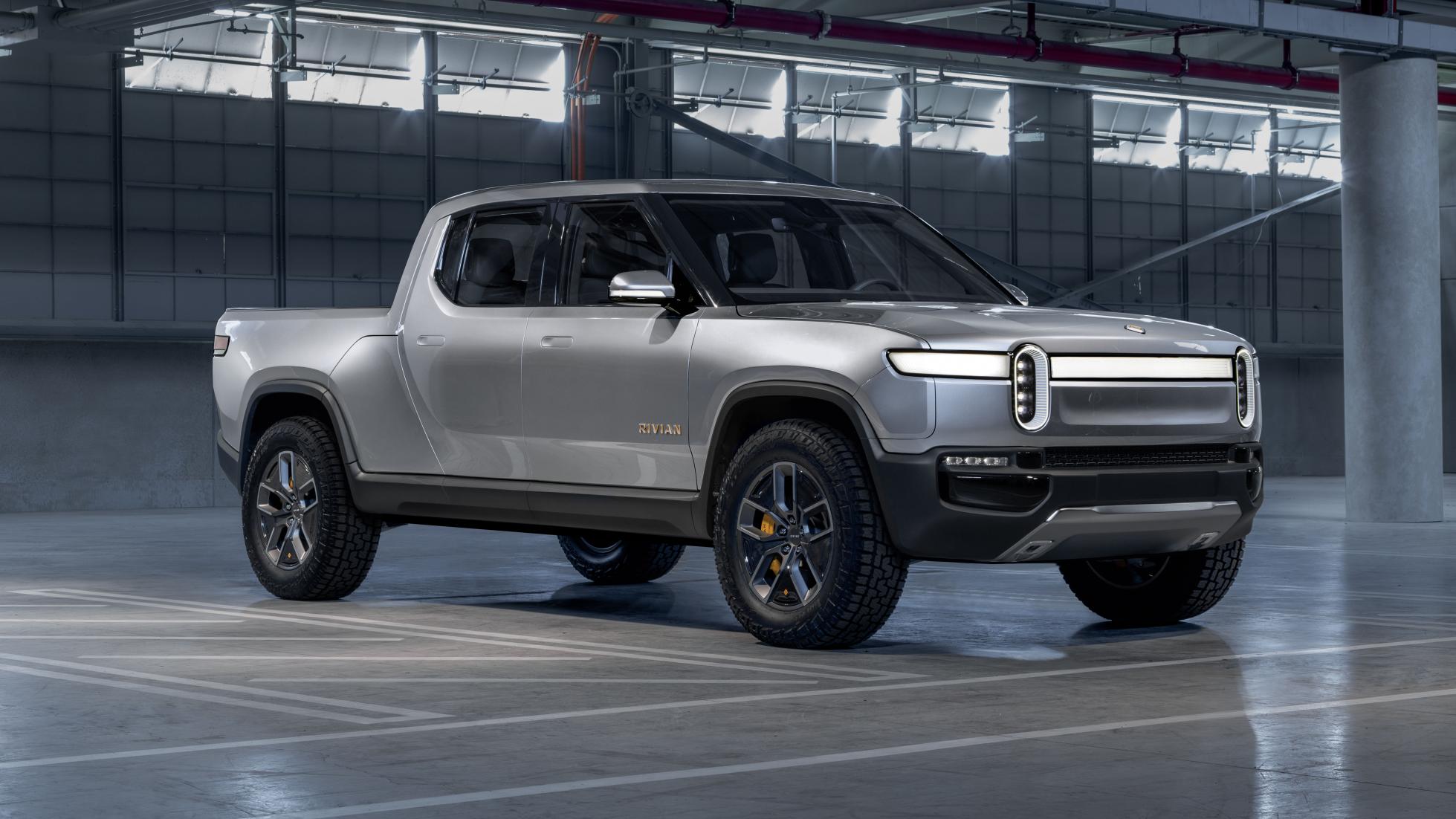
Electric Trucks The realm of commercial vehicles is undergoing a seismic shift. At the heart of this transformation lies the advent of e-trucks. These powerful and eco-friendly machines are not just an upgrade; they signify a paradigm shift in how goods and services are transported across the globe. As businesses and governments alike strive to reduce their carbon footprints, battery haulers emerge as a beacon of innovation, efficiency, and sustainability.
The Dawn of a New Era
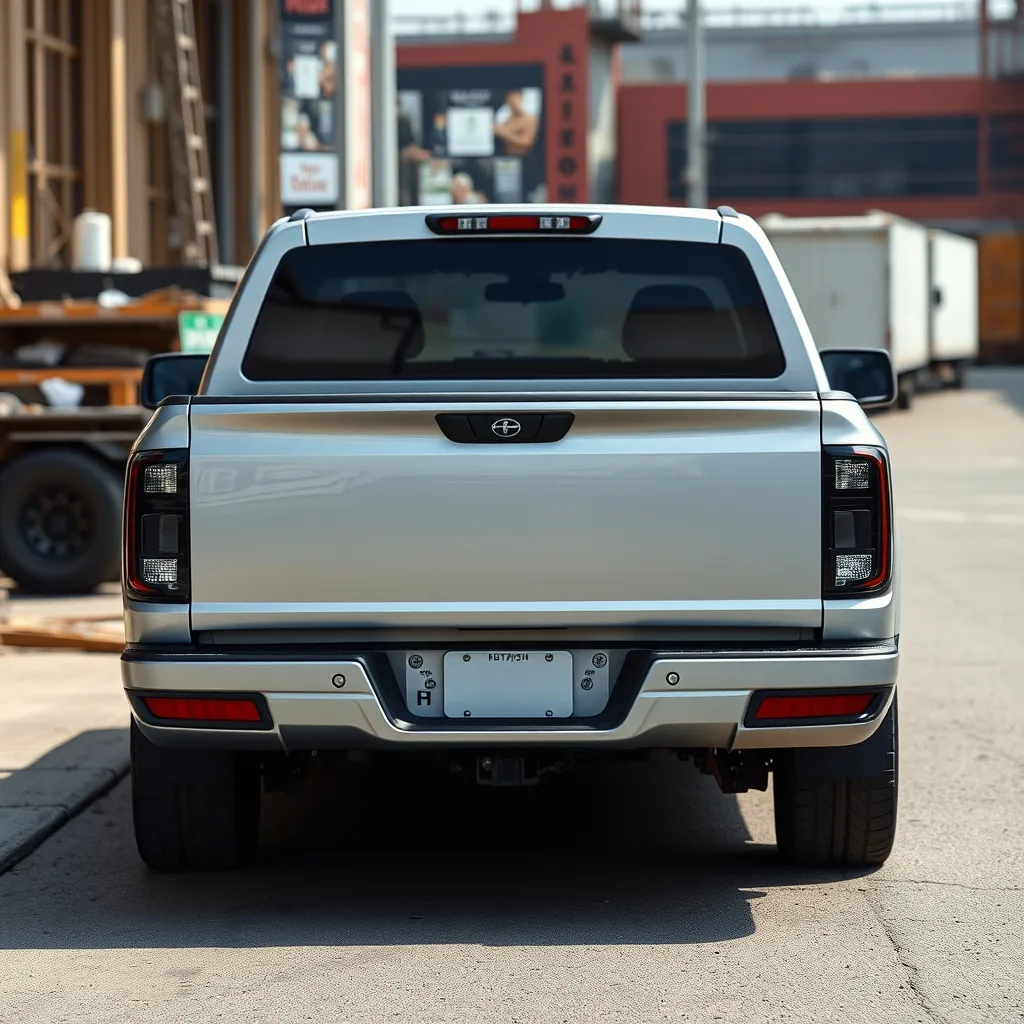
For decades, diesel-powered trucks have dominated the commercial vehicle industry. They have been the backbone of logistics, enabling the transportation of goods over vast distances. However, the environmental impact of diesel engines, coupled with fluctuating fuel prices and stringent emission regulations, has necessitated the search for alternative solutions. Enter electric pickups.
These vehicles are powered by electricity, stored in batteries that drive electric motors. The technology behind e-trucks is not just a fleeting trend but a fundamental shift towards cleaner, more efficient transportation methods. The transition from fossil fuels to electric power in the commercial sector heralds a new era of sustainability and innovation.
Environmental Impact
One of the most compelling reasons for the surge in battery haulers is their potential to drastically reduce greenhouse gas emissions. Traditional diesel trucks are notorious for their significant carbon dioxide output, contributing to air pollution and climate change. electric pickups, on the other hand, produce zero tailpipe emissions, making them a much cleaner alternative.
The reduction in noise pollution is another benefit. Diesel engines are known for their loud, rumbling operation, which can be disruptive, especially in urban areas. e-trucks operate almost silently, contributing to quieter, more peaceful environments. This is particularly advantageous for nighttime deliveries in residential areas, where noise ordinances are often in place.
Technological Advancements
The technology driving battery haulers has seen remarkable advancements in recent years. Battery technology, in particular, has improved significantly. Modern batteries are more efficient, offering greater energy density and longer ranges. This development addresses one of the primary concerns with electric pickups—range anxiety.
Battery management systems have also evolved, ensuring optimal performance and longevity. These systems monitor and regulate battery conditions, preventing issues such as overheating and overcharging. Additionally, the advent of fast-charging infrastructure means that e-trucks can be recharged quickly, minimizing downtime and maximizing productivity.
Regenerative braking is another technological marvel. This system captures kinetic energy during braking and converts it into electrical energy, which is then stored in the battery. This not only extends the range of battery haulers but also enhances their overall efficiency.
Economic Considerations
The economic implications of adopting electric pickups are multifaceted. While the initial purchase price of an Electric Truck can be higher than that of a diesel counterpart, the long-term savings are substantial. Electric vehicles have lower operating costs due to cheaper electricity rates compared to diesel fuel. Maintenance costs are also lower, as e-trucks have fewer moving parts and do not require oil changes or exhaust system repairs.
Government incentives and subsidies further sweeten the deal. Many governments offer financial incentives to encourage the adoption of electric vehicles, including grants, tax credits, and rebates. These incentives can significantly offset the initial purchase cost, making battery haulers a more attractive option for businesses.
Moreover, companies that adopt electric pickups can benefit from enhanced corporate social responsibility (CSR) profiles. By reducing their carbon footprint, businesses can bolster their reputation and appeal to environmentally conscious consumers and stakeholders.
Infrastructure and Charging Networks
The growth of e-trucks is inextricably linked to the development of robust charging infrastructure. This includes both public and private charging stations, as well as fast-charging networks. The establishment of widespread charging infrastructure is crucial for the seamless operation of battery haulers, especially for long-haul routes.
Fleet operators are increasingly investing in on-site charging facilities. These facilities allow for overnight charging, ensuring that trucks are fully charged and ready for operation each day. Additionally, advancements in wireless charging technology hold promise for the future, potentially enabling trucks to charge while on the move.
Public charging stations are also expanding rapidly. Governments and private companies are collaborating to build extensive charging networks along major highways and in urban centers. Fast-charging stations, capable of delivering a significant amount of charge in a short period, are particularly vital for long-haul trucking operations.
The Role of Autonomous Technology
Autonomous driving technology is another frontier where Electric Trucks are making waves. The integration of electric powertrains with autonomous systems could revolutionize the logistics industry. Autonomous Electric Trucks promise to enhance safety, reduce operational costs, and increase efficiency.
Self-driving Electric Trucks can operate around the clock without the limitations of human drivers, such as rest breaks and hours-of-service regulations. This continuous operation can lead to faster delivery times and more efficient logistics networks. Additionally, autonomous technology can reduce the risk of accidents caused by human error, improving overall road safety.
Challenges and Solutions
Despite the numerous advantages, the adoption of Electric Trucks is not without challenges. Range limitations, high upfront costs, and the need for extensive charging infrastructure are significant hurdles. However, these challenges are being addressed through continuous innovation and investment.
Range anxiety, a major concern, is being mitigated by advancements in battery technology and the development of fast-charging networks. Research into solid-state batteries, which offer higher energy density and faster charging times, holds promise for extending the range of Electric Trucks even further.
The high initial cost is being offset by government incentives and the long-term savings on fuel and maintenance. As production scales up and technology advances, the cost of Electric Trucks is expected to decrease, making them more accessible to a broader range of businesses.
The expansion of charging infrastructure is a critical focus area. Public and private sector collaboration is essential to build a comprehensive network of charging stations. Investments in renewable energy sources for these charging stations can further enhance the environmental benefits of Electric Trucks.
The Future of Electric Trucks
The future of Electric Trucks looks promising. As technology continues to evolve, these vehicles will become more efficient, affordable, and accessible. The trucking industry is poised for a major transformation, driven by the need for sustainable and efficient transportation solutions.
The integration of Trucks with renewable energy sources, such as solar and wind power, can create a truly green logistics network. Imagine a fleet of Electric powered entirely by renewable energy, delivering goods with zero emissions. This vision is not far from reality, as advancements in energy storage and grid management continue to progress.
The development of hydrogen fuel cells is another exciting avenue. Hydrogen-powered Trucks offer the potential for even longer ranges and faster refueling times. This technology, still in its nascent stages, could complement battery-electric trucks and further diversify the options available to fleet operators.
Case Studies and Real-World Applications
Several companies and municipalities have already begun to reap the benefits of Electric Trucks. For instance, logistics giants like UPS and FedEx are integrating Electric into their fleets, recognizing the long-term cost savings and environmental benefits. These companies are not only reducing their carbon footprints but also setting industry standards for sustainable practices.
Cities like Los Angeles and Amsterdam are implementing Trucks for waste collection and public transportation. These initiatives demonstrate the versatility and practicality of Electric in various applications. By replacing diesel-powered vehicles with electric ones, these cities are reducing air pollution and improving the quality of life for their residents.
Electric Trucks
Electric Trucks are more than just a technological advancement; they represent a fundamental shift in the commercial vehicle industry. With their potential to reduce emissions, lower operating costs, and enhance efficiency, Trucks are poised to revolutionize the way goods and services are transported.
The journey towards widespread adoption is not without its challenges, but the benefits far outweigh the obstacles. As battery technology improves, charging infrastructure expands, and autonomous systems advance, Electric will become an increasingly common sight on our roads.
In the grand tapestry of transportation history, Trucks mark a significant chapter. They embody the convergence of innovation and sustainability, paving the way for a cleaner, greener future. As we stand on the cusp of this transformation, the impact of Electric on the commercial vehicle industry is undeniable and ever-growing.
See collision steps, body tips and transmission guide. Fleets: DOE vehicle data.
What are electric trucks?
They are battery-powered pickups and haulers for work and travel. Check payload, towing, range and charger access before ordering.
How far can they tow?
Range drops with heavy trailers and cold weather. Plan chargers along routes and test loaded trips first. Keep reserve charge always.
Are they good for fleets?
They cut fuel and brake costs with quiet operation. Compare upfront prices, incentives and downtime for charging. Pilot one unit first.

Dinda Margareta is a senior automotive editor at Auto Store covering collision repair, EV tech, and classic restoration. 5+ years, 130+ guides. Method: OEM position statements and repair data cross-reference. Author of 2,333 auto guides since 2022.


More Stories
Self Charging Electric Cars: 7 Convenient Picks
Electric Car Charging: 7 Tips for Fast Home Setup
Hybrid Cars: 7 Ways They Redefine the Road