
Table of Contents
Term auto shops encapsulates a sophisticated ecosystem of specialized facilities dedicated to the maintenance, diagnosis, and repair of today’s increasingly complex vehicles. Far removed from the greasy garages of yesteryear, modern repair shops are high-tech hubs, grappling with electric vehicles (EVs), advanced driver-assistance systems (ADAS), and intricate software diagnostics. Understanding this evolution is crucial for every vehicle owner seeking reliable service in a rapidly changing automotive landscape.
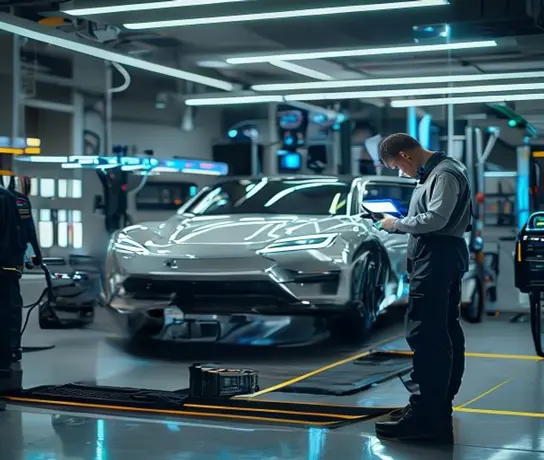 The automotive service industry has undergone a seismic shift. Where once a good wrench and a keen ear sufficed, today’s technicians, or mechatronics experts, require deep knowledge of electronics, software, and networking protocols. The advent of EVs, for instance, demands entirely new skill sets, safety protocols for high-voltage systems, and specialized diagnostic equipment. According to a recent whitepaper by SAE International, the average vehicle in 2026 contains over 100 million lines of code, dwarfing even modern fighter jets, making software diagnostics as critical as mechanical repairs.
This technological leap has propelled many auto centers into significant investments in training, tools, and infrastructure. Shops that fail to adapt risk obsolescence, highlighting the importance of choosing a facility that embraces future automotive trends.
The automotive service industry has undergone a seismic shift. Where once a good wrench and a keen ear sufficed, today’s technicians, or mechatronics experts, require deep knowledge of electronics, software, and networking protocols. The advent of EVs, for instance, demands entirely new skill sets, safety protocols for high-voltage systems, and specialized diagnostic equipment. According to a recent whitepaper by SAE International, the average vehicle in 2026 contains over 100 million lines of code, dwarfing even modern fighter jets, making software diagnostics as critical as mechanical repairs.
This technological leap has propelled many auto centers into significant investments in training, tools, and infrastructure. Shops that fail to adapt risk obsolescence, highlighting the importance of choosing a facility that embraces future automotive trends.
Compare with body repair tips, collision steps and care schedule. Training: ASE certification.
The Evolution of service centers: From Mechanics to Mechatronics Experts
The automotive service industry has undergone a seismic shift. Where once a good wrench and a keen ear sufficed, today’s technicians, or mechatronics experts, require deep knowledge of electronics, software, and networking protocols. The advent of EVs, for instance, demands entirely new skill sets, safety protocols for high-voltage systems, and specialized diagnostic equipment. According to a recent whitepaper by SAE International, the average vehicle in 2026 contains over 100 million lines of code, dwarfing even modern fighter jets, making software diagnostics as critical as mechanical repairs.
This technological leap has propelled many auto centers into significant investments in training, tools, and infrastructure. Shops that fail to adapt risk obsolescence, highlighting the importance of choosing a facility that embraces future automotive trends.
Types of repair shops in the Modern Era
Navigating the diverse world of automotive service can be daunting. Here’s a breakdown of the primary types:- Dealership Service Centers: Often perceived as the premium option, dealerships specialize in specific vehicle brands, utilizing OEM parts and factory-trained technicians. While potentially more expensive, they excel in warranty work, complex proprietary diagnostics, and software updates (Over-The-Air or through dedicated tools).
- Independent Repair Shops: These are the backbone of the industry, offering a wide range of services for various makes and models. Many independent shops now specialize in certain technologies (e.g., European imports, EV service, ADAS calibration), providing competitive pricing and often a more personalized customer experience. Look for ASE-certified technicians.
- Specialty Shops: From transmission specialists to tire centers, these focus on specific systems. Their depth of knowledge in their niche can be invaluable for particular issues.
- Mobile Mechanics: A growing trend, mobile mechanics offer convenience, performing services at your home or workplace. Best suited for routine maintenance or minor repairs, their capabilities are expanding with portable diagnostic tools.
Choosing the Right service centers: Beyond the Price Tag in 2026
Selecting a repair facility isn’t just about cost anymore; it’s about trust, capability, and future-proofing your vehicle’s maintenance. Here’s what to prioritize:| Factor | Why It Matters in 2026 |
|---|---|
| Certifications & Training | Look for ASE certifications, especially those specific to EV maintenance (e.g., L3 Light Duty Hybrid/Electric Vehicle Specialist) and ADAS calibration. Continuous training is non-negotiable. |
| Diagnostic Technology | Does the shop invest in OEM-level scan tools and software? Generic OBD-II readers are no longer sufficient for modern vehicle complexities. Advanced shops use telematics data for predictive diagnostics. |
| Transparency & Communication | Digital vehicle inspections (DVIs) with photos/videos, clear explanations of repairs, and upfront pricing are hallmarks of reputable auto shops. Trust is built on clarity. |
| Reviews & Reputation | Online reviews (Google, Yelp, AAA-approved) offer insights into customer experience. Ask for local references. |
| Warranty & Guarantee | Reputable shops stand by their work. A minimum 12-month/12,000-mile warranty on parts and labor is standard, with many offering longer terms. |
Expert Opinion: Debunking the “Dealerships Always Know Best” Myth
A persistent myth suggests that only dealerships possess the expertise and tools to service modern vehicles effectively. While dealerships certainly have direct access to proprietary factory information and specialized equipment, this view is increasingly outdated. Many independent auto shops, especially those investing heavily in training and advanced diagnostic platforms, now rival or even surpass dealerships in specific areas. For instance, an independent shop specializing in a particular European marque might have technicians with decades of focused experience, paired with the exact diagnostic tools found at the dealer, but offer more competitive pricing and flexible scheduling. As reported by Automotive News, the independent aftermarket sector continues to grow its share, driven by a commitment to advanced technology and specialized skill sets. The key is to evaluate individual auto shops based on their specific capabilities and certifications, not just their affiliation.The Future Landscape for Auto Shops
The next decade promises even more transformation. Predictive maintenance, driven by AI and vehicle telematics, will shift service from reactive repairs to proactive prevention. Over-the-air (OTA) updates will become standard, potentially reducing the need for physical visits for software issues. The ongoing technician shortage, however, remains a significant challenge, driving innovation in automated diagnostics and remote support. Auto shops will increasingly become technology integration centers, requiring a continuous learning culture. According to data from the National Highway Traffic Safety Administration (NHTSA), the complexity of ADAS recalibration after even minor collision repairs demands highly specialized equipment and training, ensuring that high-tech service centers will remain indispensable for vehicle safety. In conclusion, the decision of where to entrust your vehicle for service has never been more critical. The modern era of auto shops demands an informed choice, one that considers technological prowess, certified expertise, and a commitment to transparency. By prioritizing these factors, vehicle owners can ensure their advanced automobiles receive the sophisticated care they require for optimal performance and longevity in 2026 and beyond.Compare with body repair tips, collision steps and care schedule. Training: ASE certification.
Visit shops mid-week mornings for faster diagnosis and calmer bays. Bring service history, note noises with speed and temperature, and request a written priority list. This cuts repeat visits.
Ask for a printed checklist before leaving the counter today.
What are auto shops?
They are facilities for maintenance and fixing, from oil and brakes to diagnostics and tires. Good ones show certifications, written estimates and warranties.
How do I pick the right shop?
Check reviews, ASE badges and bay cleanliness. Ask for a test drive diagnosis and old parts back. Start small to test honesty first.
How often should I visit?
Follow factory oil and inspection intervals, with seasonal tire and brake checks. Fix lights early. Records protect value and warranty.
Dinda Margareta
Dinda Margareta is a senior automotive editor at Auto Store covering collision repair, EV tech, and classic restoration. 5+ years, 130+ guides. Method: OEM position statements and repair data cross-reference. Author of 2,333 auto guides since 2022.

More Stories
Collision Auto Center: Expert Guide to Quality Repair
Auto Detailing: Ultimate 7-Step Expert Guide
Auto Detail Jobs: 7 Facts You Must Know First