
Table of Contents
Every bolt tightened, every chrome detail polished, and every fresh coat of paint applied contributes to a grand narrative—one of preservation, pride, and passion. The heart of this transformation often lies in selecting the right auto restoration parts, for they serve as the building blocks of brilliance. A weathered classic can only reclaim its stature when paired with authentic, durable, and thoughtfully chosen components that honor its legacy.
Why restoration components Make the Difference
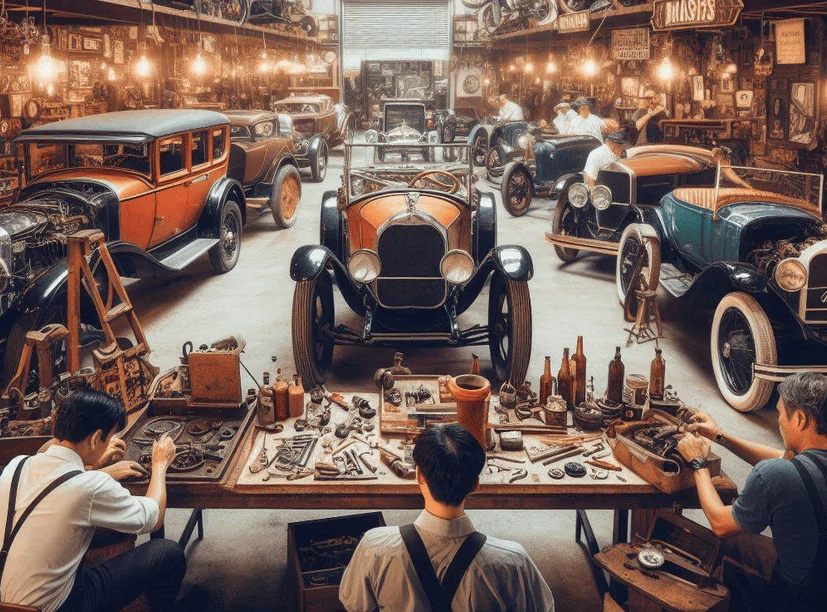
A car, especially a vintage icon, is more than metal and machinery—it is heritage on wheels. Without the right vintage parts, even the most skilled craftsmanship falls short. Consider the comparison between using generic reproductions versus original equipment manufacturer (OEM) parts. While replicas may be cost-effective, OEM parts carry with them the promise of precision, ensuring the restored vehicle feels as close to its original glory as possible. A 1967 Mustang fitted with genuine trim, authentic hubcaps, and correctly matched carburetors speaks differently than one pieced together with mismatched substitutes.
On the other end, the world of aftermarket OEM replacements has blossomed with innovation. Modern upgrades—like electronic ignition systems, disc brake conversions, or high-performance radiators—provide enhanced safety and efficiency while still complementing a vehicle’s classic aesthetic. The choice then becomes an art form in itself: preserve authenticity or embrace innovation. Both paths lead to beauty, yet each creates a distinct story.
The Desire Fueled by restoration components
The allure of selecting the perfect vintage parts is that they awaken a sense of possibility. Every component tells a tale. A re-chromed bumper transforms a car’s smile, while a restored leather interior revives its soul. Imagine standing before two cars of the same model: one still bearing pitted chrome, brittle hoses, and cracked upholstery; the other renewed with proven auto restoration parts that gleam with life. The difference is not just visible—it is palpable. The second car invites admiration, stirs nostalgia, and inspires dreams of open-road adventures.
Examples abound across the restoration world. Enthusiasts restoring a Chevrolet Bel Air often swear by sourcing original trim and dash components to retain the spirit of 1950s Americana. In contrast, Jeep Wrangler restorers may prioritize aftermarket suspension kits and rugged tires, seeking performance alongside preservation. Meanwhile, Porsche enthusiasts often find themselves in heated debates: should they retain stock parts for value, or explore modernized components for usability? These comparisons underscore the versatility and importance of choosing the right auto restoration parts to match both the vehicle’s heritage and the owner’s vision.
Proven Auto Restoration Parts
For every dreamer standing before a dusty barn find, the journey begins with one step: sourcing proven auto restoration parts. This process can feel daunting, but it is also exhilarating. Some turn to specialized suppliers, where authenticity and rarity converge. Others rely on online communities, auctions, or swap meets, where hidden treasures await discovery. And then there are modern catalogs that blend tradition with technology, offering both OEM replicas and innovative upgrades under one roof.
To celebrate automotive beauty is to recognize that the smallest details matter. The right auto restoration parts do not just replace the old—they elevate the entire vehicle. A genuine grille, period-correct wheels, or factory-spec upholstery can transform a car from “rebuilt” to “reborn.” Every part chosen is an act of devotion, a pledge to honor the artistry of the past while ensuring its brilliance for the future.
Automotive icons deserve nothing less than excellence. With proven auto restoration parts, brilliance is not just restored—it is amplified. The next time you see a gleaming classic rolling down the street, remember: its beauty lies not only in its design but in the thoughtful curation of every component that made its rebirth possible. That is the true power of restoration.
How to Plan Budget and Timeline
List needed panels, trim and fasteners with photos and part numbers. Set a budget with reserve for shipping and core charges. Order early and store parts dry and labeled.
Who Should DIY and When to Call a Pro
Handle bolt-on trim, lenses and interior bits at home. Leave welding, paint blending and wiring to pros. If numbers do not match tags, pause and verify fitment first.
Verify fit with test assembly before paint. Keep boxes and receipts for returns. See body tips, collision steps and care schedule. Catalogs: Classic Industries catalog.
Checklist: written findings with photos, priority levels, parts brands with numbers, labor hours, warranty months and recheck terms. Ask what can wait safely.
Log that pays: date, mileage, shop, work, parts and next due. Bring it each visit for faster diagnosis.
Seasonal care: spring wipers and cooling, summer shade, autumn battery tests, winter pressure checks. Habits prevent failures.
Ownership rhythm: spring wipers and cooling checks, summer shade with sunshades, autumn battery and light tests, winter pressure monitoring. Log dates with mileage for faster diagnosis and lower labor time.
One more auto restoration parts rule: test-fit before paint.
Before paying, get written findings with photos and priority levels for safety, reliability and comfort. Ask which items can wait until next service. This turns advice into a clear plan.
After service, test the same route and compare noise, vibration and lights. Keep invoices with mileage and warranty months. Share feedback so good shops stay busy.
Money traps: lump-sum quotes without detail, pressure upsells at pickup, cash-only deals and nameless parts. Walk away from fear tactics. Honest shops welcome second opinions.
Mid-week mornings bring faster diagnosis and calmer bays. Bring history with notes on speed, temperature and sounds. Request a written priority list to cut repeat visits.
What are auto restoration parts?
They are replacement panels, trim, lenses and hardware that return classic cars to original look and function. Match numbers, years and finishes before buying.
OEM or reproduction?
OEM fits best but costs more and may need search time. Quality reproductions work for drivers when reviews confirm fit. Keep boxes for returns.
How do I verify fitment?
Check year, model, side and mounting points with photos and part numbers. Test-fit before paint. Ask sellers about returns for wrong items.

Dinda Margareta is a senior automotive editor at Auto Store covering collision repair, EV tech, and classic restoration. 5+ years, 130+ guides. Method: OEM position statements and repair data cross-reference. Author of 2,333 auto guides since 2022.


More Stories
Collision Auto Center: Expert Guide to Quality Repair
Auto Detailing: Ultimate 7-Step Expert Guide
Auto Detail Jobs: 7 Facts You Must Know First