
Table of Contents
As a car owner, understanding the world of auto repair is not just beneficial; it’s essential. From routine check-ups to unexpected breakdowns, knowing how to navigate car maintenance and repairs can save you time, money, and a great deal of stress. This comprehensive guide aims to demystify the complexities of auto repair, providing you with the knowledge and confidence to keep your vehicle running smoothly and safely for years to come.
Whether you’re a seasoned driver or a new car owner, the insights shared here will empower you to make informed decisions about your vehicle’s health. We’ll delve into why regular maintenance is critical, identify common issues, guide you on choosing the right repair shop, and even touch upon what you can do yourself. Let’s embark on this journey to master the art of auto repair.
Why Regular Auto Repair and Maintenance Matters
Proactive care for your vehicle extends far beyond simply getting from point A to point B. Regular auto repair and maintenance are foundational to the longevity, safety, and efficiency of your car.
Prolonging Vehicle Lifespan
Just like any complex machine, a car needs consistent attention to perform its best. Regular oil changes, fluid checks, filter replacements, and tire rotations prevent wear and tear from escalating into major problems. These small, routine services significantly extend the life of your engine, transmission, and other vital components, delaying the need for costly replacements.
Enhancing Safety
Your safety and the safety of your passengers are paramount. Properly functioning brakes, responsive steering, adequate tire tread, and reliable lights are non-negotiable for safe driving. Routine auto repair checks ensure these critical safety systems are in optimal working condition, greatly reducing the risk of accidents caused by mechanical failure.
Improving Fuel Efficiency
An engine that is well-maintained runs more efficiently. Clogged air filters, old spark plugs, improperly inflated tires, and dirty fuel injectors can all contribute to decreased fuel economy. Regular maintenance ensures all systems are working in harmony, helping your car achieve its best possible mileage and saving you money at the pump.
Maintaining Resale Value
When the time comes to sell or trade in your vehicle, a well-documented history of regular auto repair and maintenance can significantly boost its resale value. Buyers are willing to pay more for a car that has been consistently cared for, as it indicates reliability and fewer potential issues down the line.
Common Auto Repair Issues You Might Encounter
Understanding the signs of common car problems can help you act quickly and prevent minor issues from becoming major headaches. Here are some frequent auto repair concerns:
Engine Problems
The “Check Engine” light is often the first indicator of engine trouble. This could range from a loose gas cap to more serious issues like a failing oxygen sensor, catalytic converter problems, or engine misfires. Ignoring this light can lead to reduced performance, increased emissions, and expensive damage over time.
Brake System Issues
Squealing, grinding, or a soft brake pedal are all red flags that your brake system needs attention. Worn brake pads, faulty rotors, or low brake fluid can compromise your ability to stop safely. Prompt auto repair for brakes is crucial for your safety.
Transmission Troubles
The transmission is one of the most complex and expensive components to repair. Signs of trouble include slipping gears, delayed shifting, harsh shifts, or unusual noises (like clunking or humming). Regular transmission fluid checks can help prevent premature wear.
Battery and Electrical System Failures
Problems starting your car, dim headlights, or malfunctioning accessories often point to issues with your battery, alternator, or starter. A dying battery is a common culprit, but it could also be a faulty alternator not charging the battery or a starter motor that isn’t engaging.
Tire and Suspension Wear
Uneven tire wear, vibrations while driving, or a bouncy ride can indicate problems with your tires, alignment, or suspension system. Worn shocks or struts not only affect ride comfort but also impact handling and tire lifespan. Regular tire rotations and alignments are key preventative auto repair steps.
Choosing the Right Auto Repair Shop
Finding a trustworthy and competent auto repair shop is vital. Here’s how to make an informed choice:
Research and Reviews
Start by asking for recommendations from friends and family. Check online reviews on platforms like Google, Yelp, or industry-specific sites. Look for patterns in feedback regarding customer service, pricing, and the quality of auto repair work.
Certifications and Experience
A reputable shop often employs ASE (Automotive Service Excellence) certified technicians. This certification indicates a high level of expertise and ongoing training. Inquire about the shop’s experience with your specific car make and model.
Transparency and Communication
A good auto repair shop will clearly explain the diagnosis, provide a detailed estimate before any work begins, and keep you updated throughout the repair process. They should be willing to answer your questions and never pressure you into unnecessary services.
Warranty on Repairs
Always ask about the warranty offered on parts and labor. A reputable auto repair facility will stand behind their work, offering a warranty period that provides peace of mind in case an issue reoccurs.
DIY vs. Professional Auto Repair: What You Can Do
While some auto repair tasks are best left to professionals, there are several basic maintenance steps you can handle yourself to save money and stay proactive.
Basic Maintenance You Can Do
- Check Fluid Levels: Regularly inspect engine oil, coolant, brake fluid, power steering fluid, and windshield washer fluid.
- Monitor Tire Pressure: Correct tire pressure improves safety and fuel efficiency.
- Inspect Wiper Blades: Replace worn blades for clear visibility.
- Check Lights: Ensure all headlights, taillights, brake lights, and turn signals are working.
- Clean Your Car: Regular washing and waxing protect the paint and prevent rust.
When to Call the Professionals
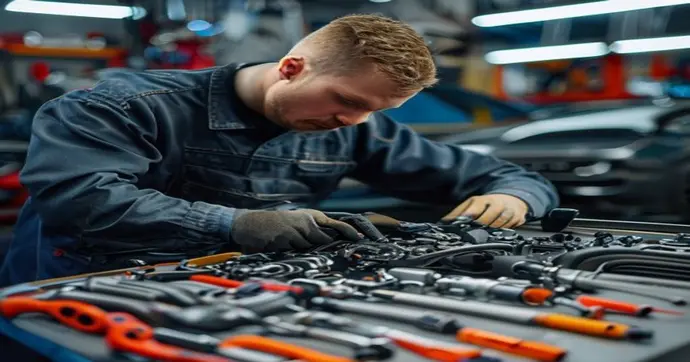
For anything beyond basic checks, especially when it involves complex systems like the engine, transmission, brakes, or electrical components, it’s always best to consult professional auto repair technicians. They have the specialized tools, diagnostic equipment, and expertise to accurately identify and fix problems without causing further damage.
Preparing for Your Auto Repair Appointment
To ensure an efficient and effective auto repair experience, come prepared:
- Document Symptoms: Note down exactly what you’re experiencing (noises, smells, warning lights), when it happens, and under what conditions. The more detail, the better.
- Provide Service History: Bring your car’s maintenance records. This gives the technician a full picture of its history and recent work.
- Ask Questions: Don’t hesitate to ask for explanations of the diagnosis, the proposed repairs, and the associated costs. A good shop will patiently clarify everything.
Conclusion
Auto repair can seem daunting, but with the right knowledge and a proactive approach, it doesn’t have to be. Regular maintenance, understanding common issues, and knowing how to choose a reliable auto repair shop are key to ensuring your vehicle remains a dependable mode of transportation.
By investing in routine care and addressing problems promptly, you not only extend your car’s life and enhance its performance but also contribute to safer roads for everyone. Embrace the responsibility of car ownership, and your vehicle will reward you with countless miles of trouble-free driving. Remember, preventative auto repair is always more cost-effective than reactive fixes.
TAGS: auto repair, car maintenance, vehicle service, car care tips, mechanic, automotive repair, car problems, vehicle safety


More Stories
Auto Detailing: Ultimate 7-Step Expert Guide
Auto Detail Jobs: 7 Facts You Must Know First
5 Essential auto body Repair Tips