

Table of Contents
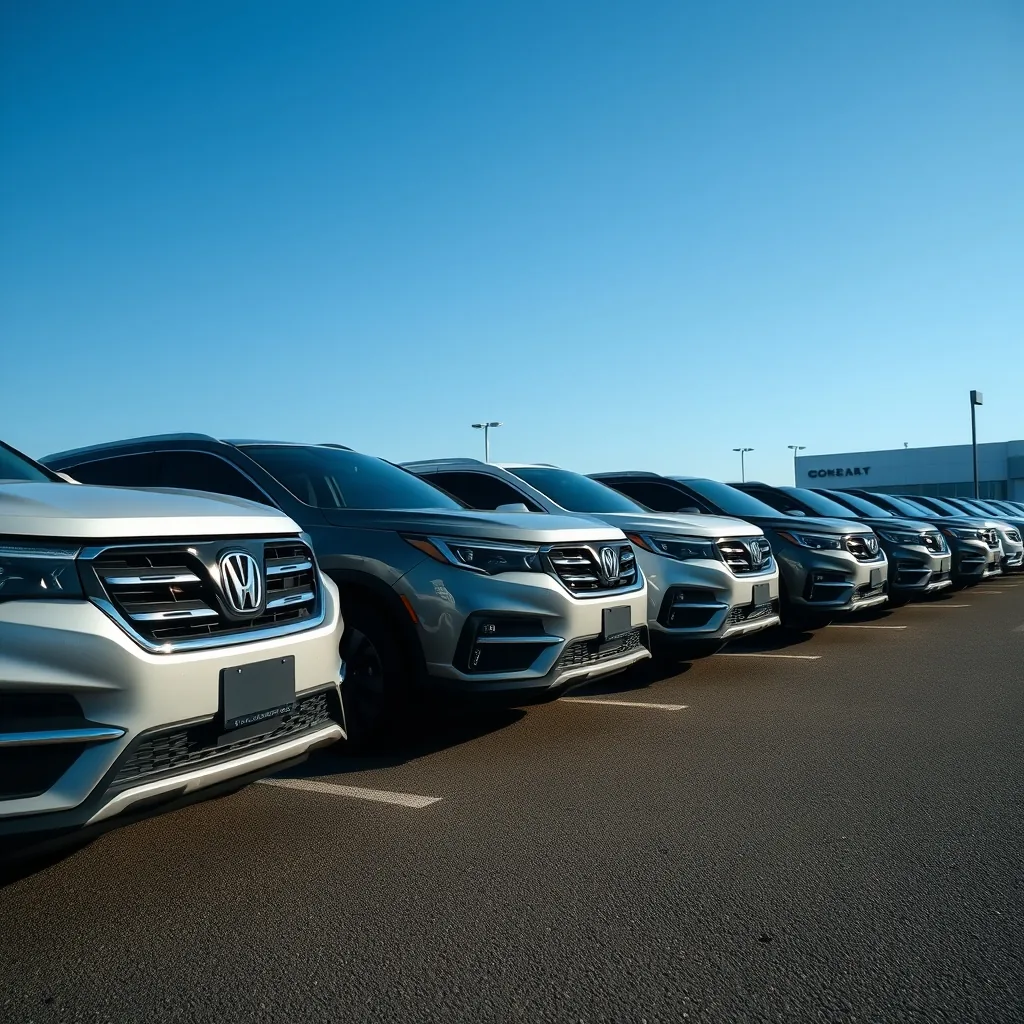
Used midsize SUV shoppers get the best balance of space, comfort, and value without stepping up to a full-size truck. A used midsize SUV seats five to seven people, swallows strollers and sports gear, and still fits in a standard garage and parking spot. This guide explains what to check, which proven models hold up well, and how to budget for fuel, insurance, and upkeep so you can buy with confidence.
Many families switch from a sedan or compact crossover when the second row gets tight and cargo runs out on weekends. A used midsize SUV solves that problem with a taller roof, a wider second row, and an available third row for carpools and road trips. You also get higher ground clearance for snow and gravel roads, plus stronger towing for small trailers, boats, and campers. Depreciation works in your favor here, since a three-year-old example often costs far less than new while still offering modern safety tech.
Why a Used Midsize SUV Fits Most Families
Space is the main reason buyers upgrade, and a used midsize SUV delivers it without the bulk of a full-size model. Two-row versions offer generous legroom and a deep cargo well, while three-row versions handle kids, grandparents, and dogs in one trip. Sliding second rows, flat load floors, and power liftgates make daily chores easier, from grocery runs to airport pickups. Compared with a minivan, the higher seating position gives better visibility and a more confident feel in traffic.
Comfort matters on long drives, and midsize crossovers shine with quiet cabins, supportive seats, and smooth highway manners. Most ride on car-based platforms with independent suspension, so they steer and park more easily than truck-based rigs. All-wheel drive is common and helps on wet ramps, snowy streets, and muddy campgrounds, though front-wheel drive versions cost less and use less fuel. Look for dual-zone climate, heated seats, and driver aids that reduce fatigue on family trips.
Value is the third win, because a used midsize SUV has already taken its steepest depreciation hit before you buy it. You can often afford a higher trim with leather, blind-spot monitoring, and adaptive cruise for the price of a new compact model. Certified examples add inspection reports and extended coverage, while private-party and off-lease cars offer lower prices if you check history carefully. Focus on condition, service records, and crash scores rather than color or wheels.
What to Check Before You Buy
Start with size and seating layout, since not every three-row cabin fits adults comfortably in the back. Bring your car seats, stroller, and sports bags to the test drive and load them in the lot before you negotiate. Check third-row access, headroom, and cargo space behind the upright rear seats, because specs alone can mislead. If you rarely carry more than five, a roomy two-row model saves weight, fuel, and purchase price.
History and condition decide long-term cost more than mileage alone, so pull a vehicle history report and inspect for crash repair, flood marks, and worn tires. A used midsize SUV with full dealer service records, matching tires, and clean fluids is worth more than a cheaper example with gaps. Have an independent mechanic check suspension, brakes, and all-wheel-drive operation on a lift. For background on sibling rankings, see our midsize SUV guide for used-car shoppers and compare trim years side by side.
Safety tech varies by year, so verify which aids are actually installed rather than trusting a badge. Prioritize automatic emergency braking, blind-spot alerts, rear cross-traffic warning, and adaptive cruise with lane-centering assist. Check headlight ratings, tire age, and brake pad life, since these items affect both protection and near-term bills. A clean windshield, working sensors, and updated software keep assistance systems accurate in rain and glare.
Powertrain choice shapes fuel bills and reliability, with many models offering a base four-cylinder, a stronger V6, or a hybrid. Hybrids cost more upfront but can save hundreds per year in town driving and hold value well in high-gas-price regions. Turbo engines feel peppy yet need premium care and timely oil changes, while naturally aspirated V6 units often run longer with basic upkeep. Drive your normal route, test merging power, and listen for transmission shudder, wheel hum, and wind noise at highway speed.
Used Midsize SUV: 7 Reliable Models Worth a Look
The seven models below earn strong marks for durability, safety, and resale, and each used midsize SUV here suits a slightly different family. Prices shift by year, miles, and region, so use these notes as a shortlist and verify local listings, history, and inspection results. All seat at least five, offer all-wheel drive, and provide modern driver aids on most trims from recent years.
Toyota Highlander. A used midsize SUV benchmark for reliability, the Highlander offers calm handling, strong resale, and a proven V6 or hybrid powertrain. Three rows seat seven or eight, the cabin stays quiet at speed, and safety scores rank near the top of the class. Hybrids deliver excellent town mileage for the size, while gas versions tow confidently. Choose a well-kept example with service stamps and fresh tires.
Honda Pilot. Roomy and practical, the Pilot fits three rows of real people plus gear, with clever storage and an easy-fold third row. Ride comfort is excellent, visibility is open, and all-wheel-drive versions handle snow and dirt roads with ease. Look for Elite or Touring trims for leather, rear entertainment, and full driver aids. Avoid examples with worn shocks and mismatched tires.
Toyota 4Runner. If rugged use tops your list, this truck-based used midsize SUV tows more and tackles trails better than car-based rivals. The V6 is simple and long-lived, ground clearance is generous, and resale stays high even with miles. Trade-offs include thirstier fuel use and a firmer ride, so test highway comfort before you commit. Pick a rust-free frame with clean underbody photos.
Hyundai Santa Fe. A smart value pick, the Santa Fe packs heated seats, blind-spot cameras, and adaptive cruise on many trims for less money. Two rows seat five with limo-like legroom, while the cargo bay swallows strollers and luggage. Check turbo service history and verify warranty transfer where applicable. A certified example with new brakes makes an easy family choice.
Ford Explorer. A popular used midsize SUV for towing and road trips, the Explorer offers turbo or V6 power, an available third row, and confident highway manners. SYNC infotainment, tow packages, and all-wheel drive are common on the used market. Inspect electronics, rear differential seals, and tire wear closely. Well-maintained one-owner cars with records are the safest bet.
Nissan Pathfinder. Redesigned recent versions ride quietly, seat seven or eight, and tow well for weekend toys. The V6 pairs with a smooth automatic, and ProPILOT aids ease long drives. Verify transmission service, brake life, and third-row latch condition. Choose SV or SL trims for the best mix of price and equipment.
Mazda CX-9. For drivers who enjoy the wheel, the CX-9 blends sharp steering with upscale cabin trim and quiet cruising. Turbo power feels strong in town, all-wheel drive grips in rain, and safety tech is generous even mid-range. Cargo is slightly tighter than boxier rivals, so load your gear first. Grand Touring trims with leather and Bose audio offer strong used value.
Ownership Costs and Fuel Economy
Budget beyond the sticker, because a used midsize SUV costs more to fuel, insure, and tire than a compact car. Plan for 20 to 28 miles per gallon combined on most gas versions, higher on hybrids and lower when towing or idling in winter. Get insurance quotes before you sign, since rates vary by trim, driver age, and garaging address. Set aside funds for tires, brakes, and a full fluid service in year one if records are thin.
Routine care keeps costs flat, with oil changes, air filters, and tire rotations on schedule preventing larger repairs. Check our used-car buying guide for negotiation checklists, loan tips, and inspection steps you can use this week. For side-by-side specs and tow ratings, browse the Edmunds SUV ratings hub to confirm seating, cargo, and available safety tech before you visit a lot.
Final Tips for Smart Shoppers
Shop like an inspector by comparing at least three examples of the same used midsize SUV back to back on the same day. Drive each over bumps, park in a tight spot, pair your phone, and fold every seat yourself. Cold-start the engine, check exhaust color, and scan for warning lights that return after a short drive. The cleanest car with the best records usually beats the cheapest car with unknown history.
Close the deal calmly once you find the right used midsize SUV with verified history, strong tires, and straight panels. Negotiate out-the-door price including fees, confirm loan terms in writing, and refuse add-ons you did not request. Keep up with fluids, alignment, and software updates after purchase, and your family hauler should deliver years of safe, roomy service.
FAQs
How many seats do I really need in a family crossover?
Count daily riders first, then weekly carpool needs. A two-row with five seats fits most commutes and costs less to buy and fuel. Choose a three-row with seven or eight seats only if you carry extra kids, grandparents, or gear every week.
Which ownership costs should I plan beyond the sticker?
Budget for fuel, insurance, tires, brakes, and a first-year fluid service if records are thin. Hybrids save on gas but may cost more upfront. Get insurance quotes early, since rates vary by trim, driver age, and garaging address.
How do I verify condition before I negotiate?
Pull a history report, check for crash repair and flood marks, and book an independent lift inspection. Test every seat fold, pair your phone, and drive your normal route. Pick the cleanest example with full service records over the cheapest one with gaps.

Dinda Margareta is a senior automotive editor at Auto Store covering collision repair, EV tech, and classic restoration. 5+ years, 130+ guides. Method: OEM position statements and repair data cross-reference. Author of 2,333 auto guides since 2022.



More Stories
Essential Guide to seismic upgrades for Safer Buildings
Essential Auto Restoration Tools: 10 Must-Haves for Pros
Interior Auto Restoration Guide: Pro Tips That Last