

Table of Contents
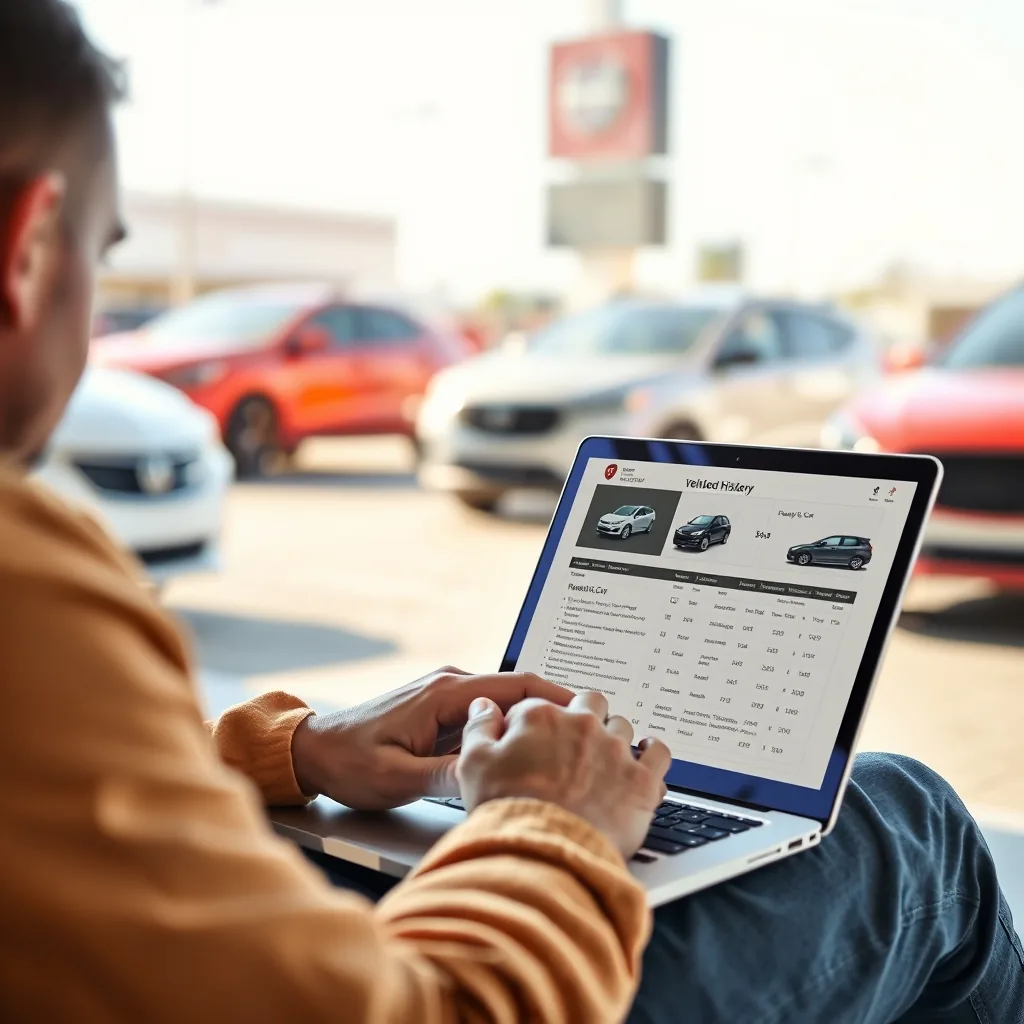
Car buying tools make shopping for a used vehicle simpler, faster, and safer. Instead of spending weekends driving between lots, you can compare listings online, review history reports, and shortlist strong candidates from home. Screening first saves time and helps you avoid costly damage, mileage issues, or title problems.
Modern car buying tools bring pricing data, owner reviews, and inspection checklists into one place. Good car buying tools also explain fees, safety ratings, and maintenance needs in plain language. With a clear budget and a short checklist, you can focus only on vehicles that fit your needs and walk away from the rest with confidence.
In this guide, we cover trusted car buying tools for shoppers in Australia, Canada, the United Kingdom, and the United States. You will learn where to look up history, how to compare prices, and what to verify before payment. For broader basics, see our used car value guide before you start contacting sellers.
Each market has different registries, report providers, and dealer rules. The resources below focus on official records, widely used listings, and practical checks. Use them together: search, verify history, compare prices, then inspect and test drive. That order prevents most surprises and keeps negotiation calm.
Australia
Shoppers in Australia can use car buying tools such as national history reports, dealer listings, and inspection guides. Start with a history report that pulls data from the Personal Property Securities Register and state records. Check finance owing, written-off status, odometer readings, and registration details before booking an inspection.
Compare similar models by year, mileage, trim, and service history. Ask sellers for logbooks, receipts, and roadworthy certificates where required. If a price looks unusually low, treat it as a signal to verify harder, not as a bargain. A short phone interview plus a report often removes weak options in minutes.
Book an independent inspection for finalists. A mechanic can confirm accident repairs, tire and brake condition, fluid leaks, and warning lights. Keep notes and photos for each car. Clear records make price talks easier and protect you after purchase.
Canada
In Canada, car buying tools for history and pricing are widely used before any visit. A detailed vehicle history report shows accidents, service entries, import records, and odometer events. You can start with CARFAX for a widely recognized report, then compare asking prices against similar trims sold nearby.
Winter driving makes rust, brake, and tire checks extra important. Look for maintenance receipts, recall completions, and inspection documents. Ask where the car was driven and stored, since road salt and short trips affect wear. Consistent service entries are a strong positive signal.
Use free valuation guides to set a fair range before negotiating. Factor in taxes, fees, and transport if buying from another province. If the seller cannot provide the vehicle identification number for a report, move on. Transparency at this stage usually predicts an easier deal.
United Kingdom
In the United Kingdom, free and paid checks cover tax status, MOT history, mileage, ownership changes, and write-off records. Enter the registration number to confirm make, model, color, and specification. Review MOT advisories closely, since repeated notes about brakes, tires, or suspension point to deferred maintenance.
Compare running costs next: fuel use, insurance group, road tax, and service intervals. Check dealer reviews and ask for the service book plus recent invoices. For private sales, meet in a public place, verify the seller address matches documents, and never pay a deposit before seeing the car.
A short road test should include cold start, slow turns, braking, and motorway speed. Listen for knocks, check warning lights, and test electronics, heating, and air conditioning. If anything feels off, get an independent inspection. A small fee now often prevents large repair bills later.
United States
In the United States, car buying tools cover VIN lookups, crash and title records, price analysis, and dealer reviews. Search the VIN to find reported accidents, title brands, mileage entries, and prior registrations. Review photos, open recalls, and service history before scheduling a visit. If you plan a cross-state purchase, read our guide to buying out of state first.
Compare prices by year, trim, mileage, and region. Large gaps usually reflect accidents, title issues, or missing maintenance. Ask for the window sticker, service receipts, and recall proof. Verify the VIN on the car and documents matches the report exactly.
Always finish with an independent inspection and a thorough test drive. Check panel gaps, paint texture, tire age, brake feel, and fluid condition. Scan for warning lights and confirm every feature works. Written findings give you fair negotiation points and clear walk-away reasons.
How Car Buying Tools Simplify History Checks
Strong car buying tools turn scattered records into a clear timeline. They organize accident entries, title events, mileage logs, and service visits by date. You can spot gaps, sudden mileage jumps, repeated repairs, or state changes in minutes. Focus on patterns rather than single entries, then confirm concerns during inspection.
Save each report as a PDF and note the source and date. When comparing two similar cars, choose steadier maintenance and fewer gaps. Ask the seller direct questions about any missing period. Honest answers plus matching paperwork beat a slightly lower price.
Car Buying Tools: Smart Steps Before You Pay
Set your total budget first, including tax, title, registration, insurance, and immediate maintenance. Get pre-approved financing where possible so you negotiate as a cash buyer. Compare at least three similar vehicles and rank them by condition, history, and ownership cost, not by photos alone.
Schedule inspections only for the top one or two cars. Bring your checklist, identification number notes, and report printouts. Confirm payment method, title transfer, and receipt wording before handing over funds. After purchase, store every document in one folder and book pending service right away.
A patient process beats a rushed one. Inspect in daylight, bring a friend for photos and second opinions, and pause between viewings. After purchase, store every document in one folder, update maintenance right away, and set service reminders to protect value and safety.
How do I check a used vehicle history online?
Get the identification number, run it through an official registry or a widely used report provider, then review accidents, title brands, mileage, and service logs. Save the report and confirm open recalls before booking an inspection.
What should I compare before choosing a used vehicle?
Compare year, trim, mileage, service history, and regional prices across at least three similar options. Add taxes, fees, insurance, and likely maintenance to each total, then inspect only the top one or two.
When should I walk away from a used vehicle deal?
Walk away if the seller hides the identification number, refuses an independent inspection, or rushes payment. Mismatched documents, unclear title, or pressure for deposits are clear signs to leave.

Dinda Margareta is a senior automotive editor at Auto Store covering collision repair, EV tech, and classic restoration. 5+ years, 130+ guides. Method: OEM position statements and repair data cross-reference. Author of 2,333 auto guides since 2022.




More Stories
Evanston man drove wrong way down street with suspended license, had gun in his possession: police
Mercedes-Benz SLS AMG GT Final Edition in Mars Red
The Roadster | The Jalopy Journal The Jalopy Journal