
Table of Contents
Understanding Modern Auto Body News Sources
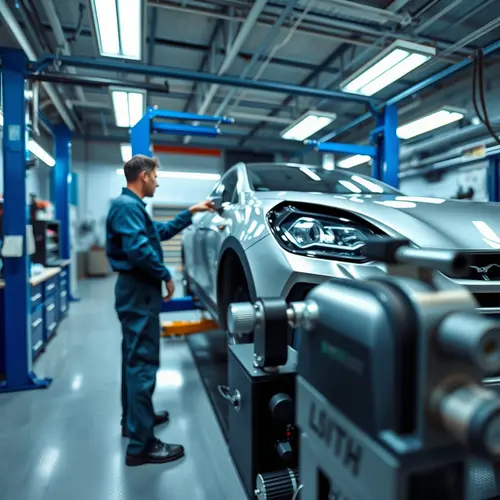 Professional collision repair demands access to reliable information channels. Trade publications like BodyShop Business and industry associations such as the Automotive Service Association provide vetted technical guidance and regulatory updates.
Digital platforms have transformed how professionals consume information. Webinars, certification programs, and manufacturer bulletins deliver real-time technical specifications that traditional print media cannot match.
The most successful shops establish systematic monitoring protocols. Daily email digests, RSS feeds from equipment manufacturers, and professional networking groups ensure no critical update goes unnoticed.
Professional collision repair demands access to reliable information channels. Trade publications like BodyShop Business and industry associations such as the Automotive Service Association provide vetted technical guidance and regulatory updates.
Digital platforms have transformed how professionals consume information. Webinars, certification programs, and manufacturer bulletins deliver real-time technical specifications that traditional print media cannot match.
The most successful shops establish systematic monitoring protocols. Daily email digests, RSS feeds from equipment manufacturers, and professional networking groups ensure no critical update goes unnoticed.
Advanced Materials Reshape Repair Protocols
Aluminum and high-strength steel alloys require specialized equipment and training. Shops investing in material-specific welding systems and dedicated work areas position themselves for complex repair contracts that command premium pricing. Carbon fiber components, once limited to exotic vehicles, now appear in mainstream models. The National Institute for Automotive Service Excellence emphasizes proper handling procedures to prevent cross-contamination that compromises structural integrity.| Material Type | Equipment Required | Training Investment | Repair Complexity |
|---|---|---|---|
| Traditional Steel | Standard MIG Welder | Basic Certification | Moderate |
| Aluminum | Dedicated Aluminum Station | Advanced Certification | High |
| High-Strength Steel | Resistance Spot Welder | Manufacturer-Specific | Very High |
| Carbon Fiber | Specialized Adhesive Systems | Expert-Level Training | Extremely High |
Calibration Requirements Drive Auto Body News Coverage
Advanced Driver Assistance Systems (ADAS) mandate post-repair calibration for cameras, radar sensors, and lidar units. Insurance companies increasingly scrutinize calibration documentation, making compliance non-negotiable. Static and dynamic calibration methodologies vary by manufacturer. Shops must maintain current OEM procedures and invest in diagnostic equipment that meets precise alignment specifications.Paint Technology Evolution
Waterborne paint systems dominate the repair landscape due to VOC regulations. The Environmental Protection Agency’s guidelines have accelerated adoption, requiring ventilation upgrades and application technique modifications. Color matching complexity increases with multi-stage finishes and effect coatings. Spectrophotometers provide objective measurements, but skilled technicians remain essential for final adjustments that satisfy customer expectations.Environmental Compliance Updates in Auto Body News
Waste management protocols extend beyond paint disposal. Airbag deployment byproducts, refrigerant recovery, and parts cleaning solvents require documented handling procedures that withstand regulatory audits. Shops face substantial penalties for non-compliance. The Occupational Safety and Health Administration conducts unannounced inspections, making ongoing staff training and documentation maintenance business-critical activities.Insurance Relationships and Estimating Software
Direct Repair Programs (DRP) relationships shape revenue streams for most collision centers. Contract terms vary significantly, and shops must evaluate whether volume guarantees offset potentially reduced labor rates. Estimating platforms like CCC ONE and Mitchell integrate with parts suppliers and insurance networks. Accurate damage assessment requires understanding hidden damage documentation protocols that justify supplements without antagonizing adjusters.Auto Body News: The Supplement Documentation Gap
Many shops lose thousands monthly through inadequate supplement justification. A practical approach involves photographing each discovery phase with measurement tools visible in frame. Include part numbers, corrosion evidence, and structural diagrams that leave no room for adjuster disputes. One Midwest shop increased supplement approval rates from 62% to 91% by implementing a three-photo minimum standard: wide angle showing context, close-up revealing damage specifics, and measurement documentation. This protocol transformed adjuster relationships from adversarial to collaborative.Workforce Development Challenges
Technician shortages persist across the collision repair sector. Technical schools report declining enrollment while experienced professionals approach retirement age, creating a skills gap that threatens industry capacity. Apprenticeship programs offer viable solutions. Shops partnering with community colleges access funding for equipment and curriculum development while building talent pipelines aligned with their specific repair philosophies.Key Training Investment Areas
- I-CAR Gold Class certification maintenance demonstrates commitment to standardized repair procedures
- OEM-specific training for aluminum and ADAS repairs opens premium repair opportunities
- Management development programs prepare next-generation leaders for operational challenges
- Soft skills training improves customer communication and reduces satisfaction complaints
- Continuous education stipends attract ambitious technicians seeking career advancement
Parts Procurement Strategies
OEM versus aftermarket parts debates continue shaping repair specifications. Insurance companies push alternative parts while vehicle manufacturers mandate original components for warranty preservation. Quality certifications like CAPA and NSF provide third-party validation for aftermarket components. However, fit and finish variations still occur, requiring shops to inspect all parts before installation to avoid costly rework cycles. Supply chain disruptions have normalized delayed parts availability. Shops implementing rental car coordination and transparent customer communication minimize negative reviews during extended repair timelines.Technology Integration for Operational Efficiency
Shop management systems centralize estimating, scheduling, parts ordering, and customer communication. Cloud-based platforms enable remote access for multi-location operations and provide analytics for performance optimization. Digital vehicle inspections with photo documentation protect shops from pre-existing damage claims. Timestamp verification and customer signature capture create legally defensible records that resolve disputes before they escalate.Business Model Adaptations
Consolidation through private equity acquisitions transforms competitive dynamics. Independent shops differentiate through specialized services, superior customer experience, or niche vehicle expertise that large chains struggle to replicate. Mobile repair services target minor damage corrections and paintless dent removal. This model reduces facility overhead while capturing customers who prioritize convenience over comprehensive collision center capabilities. Staying informed through reliable auto body news sources enables proactive adaptation rather than reactive scrambling. Industry professionals who dedicate time to continuous learning position their businesses for sustainable success regardless of market fluctuations. The collision repair sector rewards those who view auto body news consumption not as optional reading but as strategic intelligence gathering that informs every operational decision.To use industry updates well, pick one trend per quarter and test it on a single bay before rolling out shop-wide. Track cycle time, rework rate and customer scores for sixty days. Keep staff training short and hands-on, with photos of good versus bad outcomes. For background, see critical steps after collision and repair tips. Standards: SEMA industry resources.
Bottom line: follow auto body news monthly to keep estimates accurate.
What is auto body news?
It covers shop technology, repair methods, parts supply and business trends that affect quality and costs. Reading trusted outlets weekly helps owners plan training and equipment buys.
How often should shops review trends?
A monthly review is enough for most shops, with a deeper quarterly check on paint systems, calibration tools and estimate software. Assign one person to share a one-page summary with the team.
Which sources are most reliable?
Prefer trade groups, equipment makers and certified training bodies over generic blogs. Cross-check claims with shop data and vendor demos before spending. Avoid hype without measured results.
Dinda Margareta is a senior automotive editor at Auto Store covering collision repair, EV tech, and classic restoration. 5+ years, 130+ guides. Method: OEM position statements and repair data cross-reference. Author of 2,333 auto guides since 2022.


More Stories
Exterior Construction: 7 Critical Manufacturing Principles
Essential Guide to seismic upgrades for Safer Buildings
Essential Auto Restoration Tools: 10 Must-Haves for Pros