
Table of Contents
As drivers, we share an unspoken bond with our vehicles. It’s more than just transport; it’s the thrill of the open road, the comfort of a familiar cabin, the reliable hum of a well-tuned engine. But what happens when that symphony falters? When the smooth ride becomes bumpy, the precise steering feels vague, or a new, unsettling light illuminates the dashboard? The immediate, almost visceral, reaction is often a mixture of concern and a looming question: “Who can I trust to fix this?” Finding an elite auto mechanic repair service isn’t just about fixing a problem; it’s about preserving that vital connection, ensuring safety, and safeguarding your significant investment.
The quest for a truly skilled and trustworthy auto mechanic is a journey every enthusiast and practical driver undertakes eventually. In an era of increasingly complex automotive technology, from advanced driver-assistance systems (ADAS) to intricate hybrid and electric powertrains, the days of simple fixes are largely behind us. You need more than just a technician; you need a partner who understands the nuances of your machine, possesses the diagnostic prowess to uncover hidden issues, and demonstrates an unwavering commitment to quality. This article delves into how to identify and cultivate a relationship with such an expert, transforming a potentially stressful repair into a confident restoration of your vehicle’s peak performance.
The Driver’s Dilemma: When the Symphony Falters
The Subtle Whispers: Early Warning Signs
Every seasoned driver develops an intimate understanding of their vehicle’s quirks and characteristics. It’s the subtle shift in the pedal feel when you engage the clutch, the specific weight of the steering through a sweeping bend, or the precise damping of the suspension over a familiar speed bump. These are the sensory cues that define your driving experience. When something starts to change – a spongy brake pedal that lacks its usual confident bite, a gearbox that feels notchier on cold mornings, or a persistent, low-frequency hum emanating from the wheel wells at highway speeds – it’s not just a mechanical anomaly; it’s an erosion of your driving confidence and enjoyment. These are the subtle whispers your car sends, signals that a true automotive expert knows how to interpret long before they escalate into catastrophic failures. Ignoring them can transform a minor, inexpensive adjustment into a costly, complex repair.
The Modern Vehicle: A Complex Tapestry
Gone are the days when a mechanic primarily relied on a socket set and a Haynes manual. Today’s vehicles are rolling computers, intricate networks of sensors, actuators, and electronic control units (ECUs). From multi-stage fuel injection systems that demand precise calibration to adaptive cruise control sensors requiring meticulous realignment after even minor bumper damage, the level of technical expertise required is staggering. A top-tier auto mechanic isn’t just mechanically inclined; they are also adept at electrical diagnostics, software updates, and understanding the intricate communication protocols between dozens of onboard systems. This shift has elevated the mechanic’s role from mere repairer to diagnostician, programmer, and systems integrator, making the selection of your repair partner even more critical.
The True Mechanic: More Than Just a Wrench
The Diagnostic Detective: Beyond Error Codes
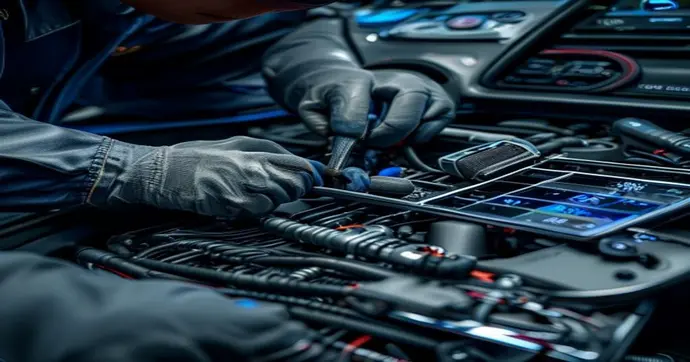
Any basic scanner can pull an error code, but interpreting that code and understanding its root cause is where a truly elite mechanic distinguishes themselves. An experienced automotive journalist has seen countless cases where a “check engine” light leads to unnecessary part replacements because a shop lacked true diagnostic capability. For instance, a persistent misfire might not be a faulty spark plug but rather a failing fuel injector or even a vacuum leak far removed from the combustion chamber. An expert will employ a systematic approach:
- Advanced Scanning Tools: Capable of deep dives into manufacturer-specific codes and live data streams.
- Oscilloscopes: To visualize electrical signals and detect intermittent faults that multimeters miss.
- Smoke Machines: To precisely locate difficult-to-find vacuum or exhaust leaks.
- Experience: The invaluable ability to connect seemingly unrelated symptoms to a singular, underlying issue, often leveraging years of practical problem-solving.
This meticulous, detective-like approach saves you time, money, and the frustration of repeat visits for the same issue.
Specialization vs. Generalist: A Strategic Choice
When selecting a repair shop, consider the nature of your vehicle and the repair required. For routine maintenance or general issues on common models, a skilled generalist can be an excellent, cost-effective choice. However, for highly specialized vehicles—think high-performance European sports cars, vintage classics, or cutting-edge EVs—a specialist is often invaluable.
- Brand Specialists: Possess proprietary diagnostic tools, manufacturer-specific training, and an intimate knowledge of common issues and preferred repair methods for a particular make. They understand the “soul” of that brand.
- EV Specialists: Are equipped to safely and effectively work with high-voltage battery systems, electric motors, and regenerative braking, requiring a fundamentally different skillset than internal combustion engines.
- Performance/Tuning Shops: Offer expertise in aftermarket upgrades, engine mapping, and suspension tuning, understanding how to enhance, not just repair, your vehicle’s dynamics.
Choosing the right type of shop for the right task ensures that your vehicle is handled by someone who genuinely understands its unique engineering and performance characteristics.
Building the Bond: Finding Your Automotive Confidant
What to Look For: A Journalist’s Checklist
Through years of test drives, garage visits, and conversations with industry insiders, I’ve developed a checklist for identifying a truly top-tier repair partner:
- ASE Certifications: Look for ASE Blue Seal of Excellence recognition or individual technicians with multiple ASE certifications (e.g., A1-A8 for automotive, L1 for advanced engine performance).
- Modern Diagnostic Equipment: A well-invested shop will have current scan tools, oscilloscopes, and programming capabilities for various makes. Ask about their diagnostic process.
- Transparency and Communication: They should provide clear, written estimates, explain repairs in understandable terms, and be proactive in communicating delays or additional findings. Never authorize work you don’t fully understand.
- Shop Cleanliness and Organization: A tidy workshop often reflects attention to detail and a disciplined approach to work. Tools are accounted for, fluids are contained, and the environment is professional.
- Warranty on Work: Reputable shops stand behind their repairs, typically offering a warranty on parts and labor for a specified period or mileage.
- Online Reviews and Word-of-Mouth: While not the sole factor, consistent positive feedback, particularly concerning diagnostic accuracy and honest pricing, is a strong indicator.
The Future of the Repair Bay: An Expert Opinion
From my vantage point, the automotive repair landscape is undergoing a profound transformation. The rise of integrated software and proprietary diagnostic tools from OEMs is creating what some call “repair ghettos” where only dealership-affiliated shops have full access to necessary information and software updates. This trend, coupled with the increasing complexity of ADAS recalibration and high-voltage EV systems, presents a significant challenge to independent shops. However, it also fosters innovation. We’re seeing a new breed of highly specialized independent mechanics investing heavily in cutting-edge training and multi-brand diagnostic platforms, forming networks to share knowledge and resources. The “right to repair” movement is also gaining traction, advocating for broader access to diagnostic data and tools, which could empower independent shops further. The shops that thrive will be those that embrace continuous learning, invest in advanced technology, and prioritize transparent communication with their customers, establishing themselves as indispensable partners in navigating this evolving automotive future.
Preventive Maintenance: Your Best Repair Strategy
The Long Game: Preserving Your Investment and Experience
While finding an elite mechanic for repairs is crucial, the truly savvy driver understands that preventive maintenance is the ultimate strategy. Regular fluid changes (engine oil, transmission fluid, brake fluid, coolant), tire rotations, filter replacements (air, cabin, fuel), and timely inspections aren’t just line items on a service schedule; they are investments in your vehicle’s longevity, reliability, and most importantly, your driving experience. Neglecting a simple oil change can lead to premature engine wear, while ignoring worn brake pads can compromise stopping power and damage rotors. It’s the difference between a car that consistently performs with its factory-intended precision – tight steering, smooth gear shifts, immediate braking – and one that gradually deteriorates into a noisy, unresponsive, and potentially unsafe machine. A good mechanic will not just fix issues; they will guide you through a proactive maintenance schedule tailored to your driving habits and vehicle, ensuring that “that new car feel” lasts far longer than you might expect.
Conclusion: Trusting the Journey Ahead
The relationship with your auto mechanic is one of the most critical you’ll forge as a vehicle owner. It’s built on trust, competence, and a shared understanding of what it means to keep a machine performing at its peak. In a world where cars are becoming ever more sophisticated, identifying an elite auto mechanic repair service capable of expert diagnostics, precise repairs, and honest communication is invaluable. They are the unseen hands that maintain the integrity of your vehicle, allowing you to focus on the joy of the drive, confident in the knowledge that your automotive partner has you covered. Choose wisely, and you choose a path of worry-free motoring for years to come.


More Stories
The Art of Auto Mechanic Repair: Your Expert Guide to Peak Performance
The Silent Architects: Why Diesel Service Technicians Are Vital
Car Repair Demystified: An Insider’s Guide to True Vehicle Health