

Table of Contents
Tesla maintenance is simpler than caring for a gasoline car, yet it still demands consistent attention to keep your electric vehicle safe and reliable. With fewer moving parts, you avoid oil changes, transmission services, and exhaust repairs, but tires, brakes, filters, and software still need regular care.
Tesla, the best-known electric vehicle maker in the United States, promotes the idea of low-effort ownership with mobile technicians and over-the-air updates. Still, keeping a Tesla on the road is not free, and service centers are less common than conventional repair shops. This guide explains costs, service choices, and smart habits for effective Tesla maintenance.
The Real Cost of Tesla maintenance
The Model 3 remains one of the best-selling electric sedans in the country and a strong value in the luxury segment. Independent studies found five-year ownership costs roughly $16,411 below the segment average, mostly thanks to fuel savings. Electricity is far cheaper per mile than gasoline, which offsets many ownership expenses.
However, routine service itself can cost slightly more than comparable gasoline models. Analysts estimate five-year service spending near $3,115 for a Model 3, versus about $2,792 for a similar gasoline sedan. The difference is modest, and lower energy and brake costs usually erase it over time with disciplined Tesla maintenance.
Where to Take Your Tesla for Service
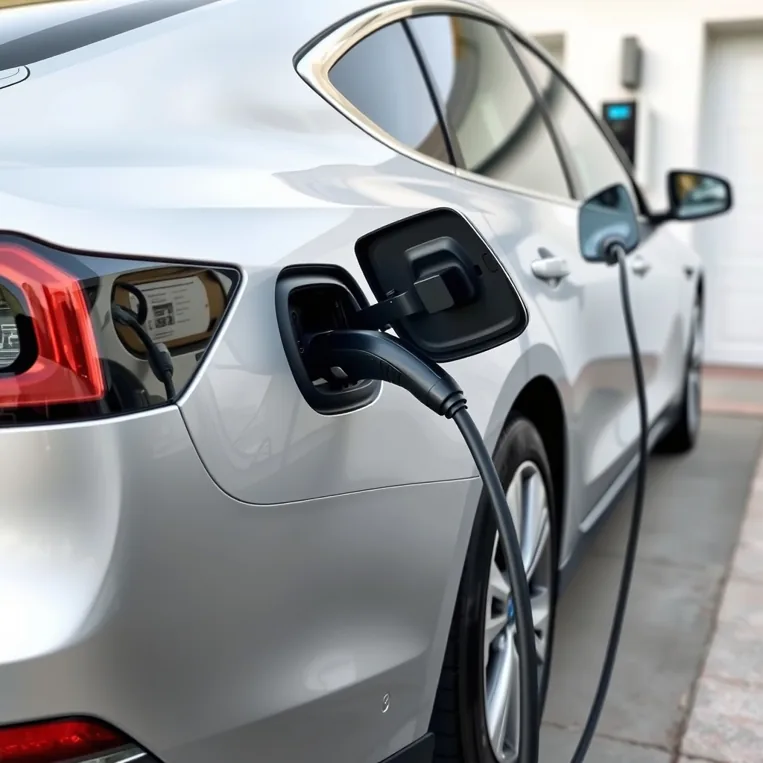
Tesla operates a fleet of mobile service vans that come to your home or workplace for routine Tesla maintenance. These visits cover tire rotations, cabin filter replacement, wiper blades, and minor adjustments. Mobile visits save time and work well for owners who live far from a service center.
For larger repairs, Tesla runs dedicated service centers in about 35 states. Availability varies widely by region. California has nearly 40 locations, while some states have only one. Always check current wait times in the app before booking, and review the official Tesla owner’s manual for service guidance.
Can You Use an Independent Repair Shop?
Few independent shops currently employ technicians trained on high-voltage systems. That will change as electric vehicles gain market share, but most general shops still decline Tesla repairs today. If you choose an outside shop, Tesla warns that warranty coverage could be affected. For background on high-voltage work, see our electrical car repair guide.
Scheduled Tesla maintenance Checklist
Electric motors and battery packs replace the engine, fuel system, and transmission found in gasoline cars. Those deleted systems eliminate most fluid services. Still, suspension, steering, tires, brakes, and climate components wear normally and need scheduled inspection as part of Tesla maintenance.
Regenerative braking reduces brake wear because the motor slows the car and recovers energy. As a result, pads and rotors often last longer than on gasoline cars. Yet Tesla still requires annual brake caliper cleaning and lubrication in regions that use road salt in winter. Skipping that step can cause sticking and noise.
Do Teslas Need Special Services?
Tires tend to wear faster on electric sedans because battery packs add weight and motors deliver instant torque. A tire rated for 40,000 miles may last only 30,000 miles under aggressive driving. Rotate tires every 6,250 miles, check pressure monthly, and align wheels after pothole impacts to protect range and handling.
What Services Can You Skip?
You never need oil changes, spark plugs, timing belts, transmission flushes, or exhaust repairs. Cabin air filters, wiper fluid, brake fluid tests, and air conditioning desiccant service remain necessary. For general upkeep habits that also apply to electric cars, see our routine car maintenance checklist.
How Much Does Tesla Service Cost?
Expect to spend about $3,115 on scheduled service over five years for a Model 3. Comparable gasoline sedans average $2,600 to $2,800 for the same period. The gap comes mainly from tires and specialized labor. Careful driving, timely rotations, and cabin filter replacement you can do yourself help control spending on Tesla maintenance.
Can You Do Basic Jobs Yourself?
Many owners replace the cabin air filter every two years with basic hand tools, a simple Tesla maintenance win for beginners. Wiper blades, washer fluid, and key fob batteries are equally simple. Brake fluid testing, coolant checks, and high-voltage work require shop equipment and training, so leave those tasks to certified technicians for safety.
Owner Satisfaction and Reliability
Sales growth has outpaced service capacity in some regions, and owners have reported long waits for appointments. Tesla executives have acknowledged the backlog and promised shorter wait times through more centers and mobile units. Software updates fix many issues remotely, which reduces shop visits and improves daily ownership.
Build quality and reliability have improved steadily across recent model years, which makes planned Tesla maintenance more predictable. Early panel gaps and trim complaints are less common now. Regular washing, paint protection, and garage parking preserve value. Keep service records in the app, since documented care supports resale prices for used electric sedans.
Tesla Recommended Service Intervals
The table below summarizes the factory schedule for common wear items. Brake pads and tires are inspected at each visit and replaced based on condition rather than fixed mileage. Following these intervals keeps warranty coverage intact and supports consistent Tesla maintenance.
| Service | Interval |
| Replace cabin air filter | Every 2 years (Model 3, Model Y); every 3 years (Model S, Model X) |
| Rotate tires and check alignment | Every 6,250 miles |
| Test brake fluid and replace if contaminated | Every 2 years |
| Replace air conditioning desiccant bag | Every 6 years (Model 3); 4 years (Model Y); 3 years (Model S, Model X) |
| Replace HEPA filter where equipped | Every 3 years |
| Clean and lubricate brake calipers | Every 12 months or 12,500 miles in salt-use areas |
How often does a Tesla need service?
Most owners need only light service once a year or every 12,500 miles. Rotate tires every 6,250 miles, replace the cabin filter every two years, and test brake fluid every two years. The mobile app will alert you when an inspection is due.
Can any repair shop work on a Tesla?
General shops can handle tires, alignment, and wipers, but high-voltage and software work should go to Tesla or a certified electric vehicle shop. Using an uncertified shop for covered repairs can affect warranty claims, so confirm coverage first.
Do electric sedans need oil changes?
No. Electric motors have no engine oil, spark plugs, or exhaust parts. You still need tire rotations, brake checks, cabin filters, washer fluid, and occasional air conditioning service to stay safe.

Dinda Margareta is a senior automotive editor at Auto Store covering collision repair, EV tech, and classic restoration. 5+ years, 130+ guides. Method: OEM position statements and repair data cross-reference. Author of 2,333 auto guides since 2022.


More Stories
Mercedes To Gradually Eliminate Manual Gearbox From 2023
Tesla Stock Vs. BYD Stock: Tesla Rebounds As China EV Rival Flashes Buy Signal
2022 Kia EV6 Review: One of the best EVs yet