
Table of Contents
As a seasoned automotive journalist, I’ve had the privilege of piloting everything from million-dollar hypercars to humble daily drivers, pushing them to their limits, and understanding their intricacies. The truth is, whether you’re behind the wheel of a meticulously crafted grand tourer or a dependable family sedan, the underlying principles of vehicle health and, inevitably, car repair remain paramount. The most crucial aspect of car repair isn’t merely fixing a broken part; it’s about a holistic understanding of your vehicle’s mechanical and electronic symphony, enabling you to proactively interpret its subtle cues and make informed decisions that ensure longevity, performance, and, most importantly, safety.
For the average driver, car repair often conjures images of unexpected bills, complicated diagnoses, and a nagging sense of vulnerability. Yet, approaching it with a well-informed perspective transforms this apprehension into empowerment. By recognizing the early warning signs, understanding the diverse repair landscape, and fostering a relationship of trust with your mechanic, you transition from a reactive participant to a proactive guardian of your vehicle’s well-being. This guide aims to equip you with the insights gleaned from decades in the industry, allowing you to master the art of car care and repair, ensuring every journey is a confident one.
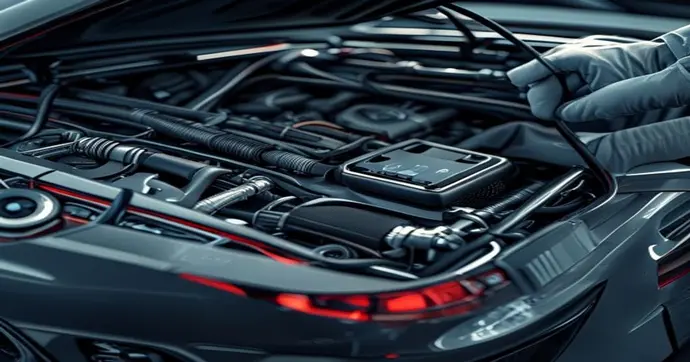 Your car speaks to you, not in words, but in a symphony of sounds, vibrations, smells, and altered dynamics. Learning to interpret these signals is the first, and arguably most vital, step in effective car repair. Many issues, if caught early, can be resolved before they escalate into costly failures.
A good car repair starts with a written estimate and old parts back. Ask your car repair shop for photos and a warranty in months and miles. See body tips, collision steps and care schedule. Standards: ASE certification. One more car repair rule: approve work in stages.
Car Repair – The Subtle Language of Your Vehicle: Beyond the Dashboard Light
Your car speaks to you, not in words, but in a symphony of sounds, vibrations, smells, and altered dynamics. Learning to interpret these signals is the first, and arguably most vital, step in effective car repair. Many issues, if caught early, can be resolved before they escalate into costly failures.
Decoding Dashboard Diagnostics: Beyond the Obvious
While the infamous “Check Engine” light is a universal sign of trouble, it’s merely the tip of the iceberg. Modern vehicles feature an array of warning indicators, each signifying a specific system requiring attention:- Oil Pressure Warning: This isn’t just about low oil; it could indicate a failing pump or serious engine wear. Stop immediately and investigate.
- Battery/Charging System Light: Often misconstrued as just a dead battery, it frequently points to a failing alternator or voltage regulator, critical components for keeping your car powered.
- Brake System Warning: This could be low brake fluid, worn pads, or an issue with the ABS system. Do not ignore.
- Coolant Temperature Warning: An overheating engine can lead to catastrophic damage. Pull over and let it cool.
- Tire Pressure Monitoring System (TPMS): While often a slow leak, sudden drops can indicate a dangerous puncture.
Listening to the Symphony : Car Repair – Sounds & Vibrations
A healthy car hums, thrums, and purrs. Any deviation is a cue. I’ve learned to distinguish the nuanced sounds:- Squealing Brakes: Typically worn pads, but can also be glazed rotors or a sticking caliper.
- Grinding Brakes: Often means metal-on-metal; pads completely gone. Immediate attention required.
- Clunking/Rattling Over Bumps: Common culprits include worn suspension components like sway bar links, bushings, or ball joints. A specific, repetitive clunk tied to wheel rotation might point to a failing CV joint.
- Humming/Whining that Changes with Speed: Often a wheel bearing, transmission issue, or differential noise. The precise tone and location can help pinpoint the source.
- Hissing Sound: A vacuum leak, coolant leak, or air conditioning leak.
- Ticking/Tapping from the Engine: Could range from low oil to a failing lifter or valvetrain issue.
- Vibrations: These are critical. A vibration through the steering wheel often points to tire balance or alignment, or front suspension issues. A vibration through the seat or floorboard could be a bent wheel, driveshaft imbalance, or rear suspension. A vibration under braking suggests warped rotors.
The Olfactory Car Repair Clues: What Your Car Smells Like
Your nose is a powerful diagnostic tool:- Sweet, Syrupy Smell: Almost certainly a coolant leak, often from the radiator, hose, or heater core.
- Burning Oil Smell: Oil leaking onto a hot exhaust manifold or engine component. Check for leaks around valve covers or oil pan.
- Burning Rubber Smell: A slipping drive belt, or tires rubbing on something (less common).
- Burnt Toast/Electrical Smell: Potentially an electrical short or overheating wiring. Requires immediate investigation.
- Rotten Eggs Smell: A failing catalytic converter.
The Feel of the Road: Understanding Dynamic Changes
This is where the true enthusiast’s insight comes into play. You know your car’s inherent character – its steering weight, the precision of its turn-in, the suppleness or firmness of its suspension damping, the crispness of its gear shifts. Any deviation from this baseline is a red flag:- Vague or Heavy Steering: Low power steering fluid, failing power steering pump, or worn steering components (tie rods, ball joints).
- Excessive Body Roll or Bounciness: Worn shock absorbers or struts. The car feels less composed, almost like it’s floating over undulations.
- Delayed or Harsh Gear Shifts: Often points to transmission fluid issues (low or degraded), solenoid problems, or even deeper internal transmission wear. A slight hesitation on engagement or an unexpected lurch can be a harbinger of significant problems.
- Spongy or Low Brake Pedal: Air in the brake lines, a master cylinder issue, or brake fluid leak.
- Car Pulling to One Side: Misalignment, uneven tire wear, or a sticking brake caliper.
Proactive Maintenance: Your Best Car Repair Strategy
The best Car Repair is the one you never have to make. Diligent preventative maintenance isn’t just about changing the oil; it’s about anticipating wear and mitigating failure.Beyond the Oil Change: The Often-Overlooked Essentials
While regular oil changes are foundational, many other aspects demand attention:- Tire Rotation and Balance: Extends tire life and prevents vibrations. Check pressure weekly.
- Brake System Inspection: Beyond pads, check rotors for warping, calipers for sticking, and fluid for contamination.
- Fluid Flushes: Transmission fluid, coolant, power steering fluid, and brake fluid all degrade over time and require periodic replacement to maintain system integrity.
- Filters: Air filter, cabin air filter, fuel filter. Clogged filters reduce efficiency and performance.
- Belts and Hoses: Inspect for cracks, fraying, or bulges. A failing serpentine belt can cripple multiple systems.
- Spark Plugs: Essential for proper combustion and fuel efficiency.
The Digital Age & Preventative Care
Modern vehicles are rolling computers. Preventative care now includes:- Software Updates: Often overlooked, these can fix bugs, improve fuel economy, and enhance safety systems.
- Sensor Calibration: Especially crucial for ADAS (Advanced Driver-Assistance Systems) like adaptive cruise control or lane-keeping assist after an alignment or windshield replacement.
- Battery Health Checks: Not just for starting, but for supporting complex electronics.
Navigating the Repair Landscape: Expert Insights
When a repair is unavoidable, knowing where to go and what to ask for is crucial.OEM vs. Aftermarket vs. Used: The Component Conundrum
This is a critical decision point that heavily influences longevity and cost:- OEM (Original Equipment Manufacturer) Parts: Designed and produced by the car manufacturer or their direct suppliers. Guaranteed fit, quality, and often come with a warranty. Generally the most expensive. My expert opinion? For critical components like braking systems, suspension, or engine internals, OEM is almost always the superior choice for peace of mind and performance retention.
- Aftermarket Parts: Produced by third-party companies. Quality varies wildly from “OE-equivalent” to cheap, unreliable copies. Can be significantly cheaper. For non-critical items (e.g., cabin air filter, wipers, certain interior trim), a reputable aftermarket brand is fine. For engine sensors, brake calipers, or complex electronic modules, choose wisely and research the brand heavily.
- Used/Salvage Parts: Recycled from other vehicles. Cheapest option, but quality and remaining lifespan are a gamble. Best for non-critical, aesthetic components or discontinued parts.
Choosing Your Mechanic Wisely: Building Trust
This relationship is as vital as the vehicle itself. Look for:- Certifications: ASE (Automotive Service Excellence) certifications are a good baseline.
- Specialization: For European marques, complex diagnostics, or EVs, a specialist shop often has superior tools and expertise than a general repair shop.
- Transparency: A good mechanic explains the issue, provides clear estimates, and shows you the worn parts.
- Reputation: Check online reviews, ask for referrals, and trust your instincts.
- Warranty: Reputable shops stand behind their work with a warranty on parts and labor.
The Evolving Mechanics of Modern Cars: The ADAS & EV Challenge
The repair landscape is changing dramatically. Electric Vehicles (EVs) have fewer moving parts, but their high-voltage systems and complex battery management units require highly specialized training and tools. Advanced Driver-Assistance Systems (ADAS) in both traditional and electric cars rely on an array of cameras, radar, and lidar. A simple bumper ding can necessitate intricate sensor re-calibration, a task few general mechanics are equipped to handle. This necessitates finding shops with ongoing training and investment in modern diagnostic equipment.The Economics of Repair: Invest or Divest?
At some point, every vehicle owner faces the dilemma: “Is this repair worth it?” This isn’t just a financial calculation; it’s often an emotional one. Consider:- Current Value vs. Repair Cost: If the repair cost exceeds half the car’s market value, it’s time for serious deliberation.
- Overall Condition: Is the car otherwise in good shape? Rust-free, good interior, reliable engine (apart from the current issue)?
- Anticipated Future Repairs: Are you fixing one major issue only to face another equally expensive one soon after (e.g., transmission followed by engine, then suspension)?
- Emotional Attachment: This is a valid, though subjective, factor. Some cars hold sentimental value that transcends pure economics.
An Expert’s Final Thoughts: Building a Relationship of Trust
My journey through the automotive world has taught me that the relationship between a driver and their vehicle is profound. It’s a partnership, and effective car repair is the diligent care required to maintain that bond. It’s about more than just getting from A to B; it’s about the confidence, comfort, and sheer joy of driving a machine that performs as it was engineered to. By understanding the language of your car, embracing proactive maintenance, and building a foundation of trust with skilled professionals, you aren’t just getting repairs; you’re investing in a sustained, reliable, and deeply satisfying ownership experience. Drive smart, drive informed, and enjoy the journey.A good car repair starts with a written estimate and old parts back. Ask your car repair shop for photos and a warranty in months and miles. See body tips, collision steps and care schedule. Standards: ASE certification. One more car repair rule: approve work in stages.
Keep a car repair log with dates and receipts.
What is car repair?
It is diagnosis and fixing of engines, brakes, suspension and electrics by trained techs. Expect clear estimates, timelines and warranties before work starts.
How do I avoid overpaying for car repair?
Get two quotes for big jobs, ask for part numbers and labor hours. Approve in stages and decline vague fees. Keep records for warranty claims.
How often should I service my car?
Follow factory oil and fluid intervals with seasonal checks for brakes and tires. Fix warning lights early. Good history lifts resale value fast.

Dinda Margareta
Dinda Margareta is a senior automotive editor at Auto Store covering collision repair, EV tech, and classic restoration. 5+ years, 130+ guides. Method: OEM position statements and repair data cross-reference. Author of 2,333 auto guides since 2022.



More Stories
Collision Auto Center: Expert Guide to Quality Repair
Auto Detailing: Ultimate 7-Step Expert Guide
Auto Detail Jobs: 7 Facts You Must Know First