
Table of Contents
Chevy interior parts range from dashboard components to upholstery systems that directly impact driving comfort, functionality, and resale value. Whether you’re replacing worn door panels, upgrading seat cushions, or fixing climate control components, understanding the landscape of chevy interior parts available—and how they fit your specific model—saves money and prevents costly mistakes.
What Are Chevy Interior Parts and Why They Matter
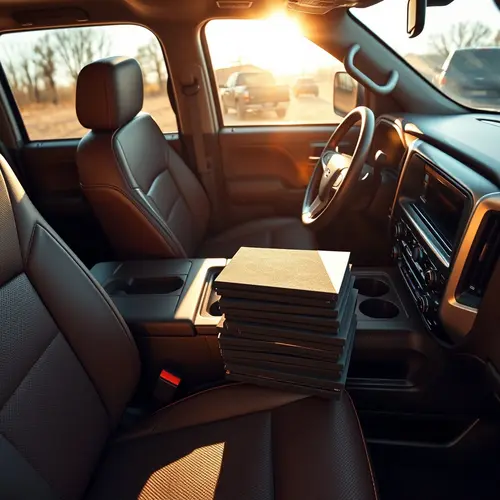
Chevy interior parts include everything inside the cabin: seats, trim panels, dashboard assemblies, climate control components, switches, knobs, lighting, and carpet. These parts wear faster than exterior components because they endure constant friction, temperature swings, and UV exposure through windows.
Interior degradation isn’t just cosmetic. Failing HVAC blend doors reduce heating efficiency. Worn seat rails compromise safety. Dashboard cracks can cause sun glare. Replacing quality chevy interior parts restores functionality and protects your investment.
Core Chevy Interior Parts Categories
Seating and Upholstery Components
Seats are the most-touched interior element. Leather deteriorates, fabric tears, and cushioning compresses. When replacing seat-related chevy interior parts, you’ll encounter options: OEM factory pieces, refurbished assemblies, or complete reupholstery kits. Factory Chevy seats maintain exact fitment and electrical compatibility for heated/cooled seat functions.
Seat rails, bolster supports, and track mechanisms fail silently until seats stop reclining or won’t lock in place. These mechanical subcomponents are often sold separately from major seat assemblies.
Dashboard and Trim
Dashboard pad deterioration is inevitable. Sun exposure causes cracking and fading across all Chevy models. Replacement dashboard pads come as complete assemblies or individual section covers. Trim panels around doors, windows, and the center console are also considered chevy interior parts that improve cabin aesthetics after accidents or age-related warping.
Climate Control Systems
HVAC components are critical chevy interior parts. Blend door actuators fail regularly, causing stuck heating or air conditioning. Heater cores leak, saturating carpet with coolant smell. Blower motors burn out. These parts require specific diagnostic steps before replacement to avoid ordering incorrectly.
Electrical and Control Modules
Modern chevy interior parts include door window switches, mirror controls, seat adjustment motors, and climate control modules. Many are proprietary to specific model years, making accurate VIN-based identification essential.
| Part Type | Average Lifespan | Replacement Cost Range | OEM vs. Aftermarket |
|---|---|---|---|
| Seat Cushion/Foam | 8-12 years | $300-800 | Aftermarket often adequate |
| Dashboard Pad | 7-15 years | $200-600 | Aftermarket common choice |
| HVAC Blend Door Actuator | 6-10 years | $150-400 | OEM preferred for reliability |
| Door Panel Assembly | 10-20 years | $250-700 | Depends on features |
| Headliner (Ceiling) | 10-15 years | $400-1200 | Professional installation recommended |
OEM vs. Aftermarket Chevy Interior Parts
OEM chevy interior parts from General Motors carry exact specifications, original color matching, and guaranteed fitment. They cost more upfront but rarely cause surprises. Aftermarket chevy interior parts offer price savings (typically 30-50% less) but quality varies significantly between suppliers.
For electrical components, climate control modules, or anything with electronic integration, OEM parts are worth the premium. For purely mechanical items like seat foam or carpet, aftermarket options often perform identically at lower cost.
Sourcing Quality Chevy Interior Parts
Always cross-reference your vehicle’s VIN before purchasing. Interior configurations differ by trim level, year, and manufacturing date. A part from a different model year might have different connectors or dimensions. Reputable suppliers provide VIN-specific compatibility checks for critical chevy interior parts.
- Verify the exact part number on existing components before ordering replacements
- Purchase from established distributors with return policies (minimum 30 days)
- Check for warranty coverage on refurbished chevy interior parts
- Confirm shipping costs—bulky items like seats add significant fees
- Request photos of condition before accepting used chevy interior parts
Common Problems and Solutions for Chevy Interior Parts
Cracked dashboards rarely need full replacement. Adhesive-backed vinyl covers ($40-80) hide damage and restore appearance without removing the original dashboard. This cost-effective approach works for minor cracks under 6 inches.
Seat heaters that won’t warm up often fail at the heating element itself, a subcomponent of larger seat assemblies. Diagnosing these issues requires a multimeter to test for electrical continuity before ordering expensive chevy interior parts.
A/C or heating blowing only on defrost indicates a blend door actuator failure—one of the most common chevy interior parts replacements. This part typically costs $150-300 depending on the model.
Practical Installation Considerations
Some chevy interior parts are DIY-friendly; others demand professional equipment. Seat removal and reinstallation is straightforward if you’re comfortable with electrical connectors and mechanical fasteners. Dashboard and headliner work requires panel removal knowledge and often includes hidden fasteners.
Climate control components often sit behind the glove box or under the steering column. Access sometimes requires removing steering wheels or instrument clusters. Unless you have shop manuals and proper tools, this work justifies professional installation costs.
Real-World Example: When Chevy Interior Parts Replacement Pays Off
A Silverado owner facing $2,000 in seat reupholstering found that replacing the entire factory seat assembly with a quality used unit cost only $450 installed. The existing seat foam was intact; only the cover was damaged. Identifying this specific need—rather than assuming complete replacement was necessary—saved significant money. This highlights why understanding chevy interior parts categories prevents overspending on unnecessary upgrades.
Key Takeaways for Chevy Interior Parts Selection
- Identify your exact model year and VIN before purchasing any chevy interior parts
- OEM components offer reliability; aftermarket works for cosmetic applications
- Electrical and climate components often justify premium OEM pricing
- Minor damage like cracked dashboards rarely needs complete replacement
- Professional installation adds expense but prevents costly mistakes
- Used chevy interior parts from salvage yards work for non-critical components
Understanding your vehicle’s specific chevy interior parts needs, sourcing from reliable suppliers, and matching part quality to application prevents buyer’s remorse and protects cabin comfort for years ahead.
“`



More Stories
Auto Collision Guide: 7 Critical Steps After Impact
Auto Body News: 7 Essential Industry Updates
7 Best Car Interior Vinyl Restorer Solutions