
Table of Contents
Hybrid Cars In a world where technological advancements shape our daily lives, the automotive industry stands at the forefront of this revolution. Among the many innovations, Hybrid Cars emerge as a significant force, redefining how we perceive transportation. These vehicles, which marry the efficiency of electric power with the reliability of traditional combustion engines, present a transformative approach to driving.
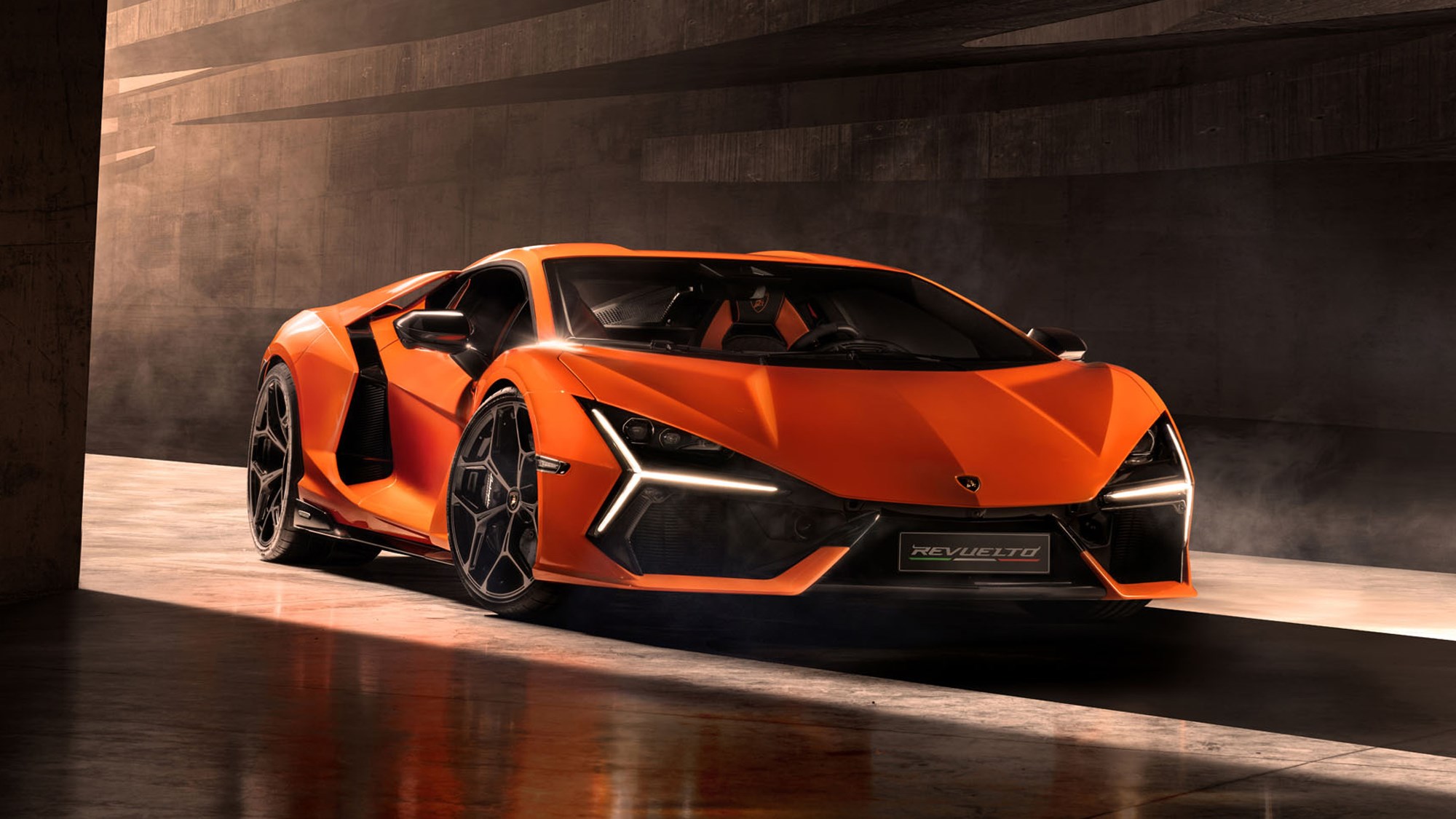
The Genesis of Hybrid Technology
The concept of Hybrid Cars is not new. The idea dates back over a century, but it wasn’t until the late 20th century that practical implementations became viable. Early hybrid prototypes often failed due to technological limitations and high costs. However, persistent innovation and growing environmental concerns spurred renewed interest and investment. The turning point came with the introduction of the Toyota Prius in 1997, which became the world’s first mass-produced hybrid vehicle. This model demonstrated that Hybrid Cars could be both efficient and consumer-friendly.
The Anatomy of a Hybrid Car
Understanding how Hybrid Cars function requires delving into their intricate mechanics. These vehicles utilize a dual powertrain system: a conventional internal combustion engine (ICE) and an electric motor. This combination allows Hybrid Cars to optimize fuel efficiency and reduce emissions. Typically, a battery pack stores electrical energy, which is generated through regenerative braking or from the ICE. When the vehicle operates at low speeds or is idling, the electric motor takes over, conserving fuel and reducing pollution.
Environmental Impact
One of the most compelling reasons for the surge in Hybrid Cars popularity is their positive environmental impact. Traditional vehicles emit significant amounts of carbon dioxide and other pollutants, contributing to global warming and poor air quality. In contrast, Hybrid Cars significantly cut these emissions. By relying on electric power for part of their operation, they reduce the overall consumption of fossil fuels, leading to fewer greenhouse gases. This shift is crucial as governments worldwide implement stricter emission regulations to combat climate change.
Economic Efficiency
Beyond the environmental benefits, Hybrid Cars offer economic advantages to consumers. While the initial purchase price of a hybrid might be higher than that of a conventional car, the long-term savings are substantial. Hybrid Cars typically have better fuel economy, meaning drivers spend less on gasoline. Furthermore, many regions offer tax incentives and rebates for purchasing environmentally friendly vehicles, further offsetting the higher upfront costs.
The Evolution of Hybrid Technology
The technology behind Hybrid Cars continues to evolve, driven by advancements in battery technology and automotive engineering. Early hybrids used nickel-metal hydride batteries, but modern models increasingly incorporate lithium-ion batteries, which are lighter and more efficient. Additionally, plug-in hybrid electric vehicles (PHEVs) have emerged, allowing drivers to recharge their vehicles from an external power source. This evolution extends the electric-only driving range and reduces the dependency on the ICE even further.
Market Dynamics and Consumer Perception
The market dynamics of Hybrid Cars have shifted dramatically over the past two decades. Initially viewed with skepticism, they are now mainstream, with almost every major automaker offering at least one hybrid model. Consumer perception has evolved as well; what was once seen as a niche product for the environmentally conscious is now appreciated for its practicality and performance. The success of models like the Prius, Honda Insight, and more recently, hybrid versions of popular SUVs, underscores the broadening appeal.
Technological Innovations and Features
Modern Hybrid Cars are packed with cutting-edge technology and features designed to enhance the driving experience. Advanced driver-assistance systems (ADAS), connectivity features, and improved infotainment systems are now standard in many hybrids. These vehicles also often come with sophisticated energy management systems that optimize the balance between the ICE and electric motor, ensuring maximum efficiency and performance.
The Future of Hybrid Cars
Looking ahead, the future of Hybrid Cars appears promising. As battery technology continues to improve, the efficiency and range of these vehicles will increase. Solid-state batteries, which promise higher energy density and faster charging times, are on the horizon. Moreover, the integration of renewable energy sources into the charging infrastructure will further enhance the environmental benefits of Hybrid Cars. With ongoing research and development, the potential for hybrids to become even more sustainable and cost-effective is immense.
Hybrid Cars and Autonomous Driving
The advent of autonomous driving technology presents new opportunities for Hybrid Cars. Self-driving cars rely heavily on electric power for their myriad sensors and computing systems. Hybrids, with their ability to generate and store electrical energy, are uniquely positioned to support these demands. Additionally, the improved efficiency and reduced emissions of hybrids align well with the goals of autonomous vehicle developers to create sustainable and eco-friendly transportation solutions.
The Role of Hybrid Cars in Urban Mobility
Hybrid Cars also play a critical role in the evolving landscape of urban mobility. Cities worldwide are grappling with congestion, pollution, and the need for efficient public transportation. Hybrids, particularly plug-in hybrids and hybrid electric buses, offer a viable solution. They can reduce urban emissions, provide reliable transportation, and integrate seamlessly with smart city initiatives that prioritize sustainability and connectivity.
Challenges and Considerations
Despite their many advantages, Hybrid Cars face challenges that must be addressed. The production and disposal of batteries raise environmental and ethical concerns, particularly regarding the sourcing of raw materials like lithium and cobalt. Moreover, the transition to hybrid technology requires substantial investment in infrastructure, including charging stations and maintenance facilities. Educating consumers about the benefits and operation of Hybrid Cars is also essential to overcoming resistance and misinformation.
Hybrid Cars
In summary, Hybrid Cars are redefining the road in profound ways. They offer a compelling blend of environmental sustainability, economic efficiency, and cutting-edge technology. As the world continues to prioritize eco-friendly solutions, hybrids stand out as a practical and immediate option for reducing our carbon footprint. With ongoing advancements and increasing adoption, Hybrid are poised to play a pivotal role in the future of transportation, shaping a cleaner, more efficient, and technologically advanced driving experience.



More Stories
Continuous Energy: Exploring the Convenience of Self Charging Electric Cars
How Electric Trucks Are Changing the Face of Commercial Vehicles
Tips for Efficient Electric Car Charging