
Table of Contents
Best cars for learning to drive share three traits: easy handling, clear visibility, and forgiving controls. Some cars are far better suited to new drivers than others. This guide highlights strong learner-friendly models and walks through the key factors and practical tips every new driver should weigh before getting behind the wheel.
Most people learn to drive at a young age, and teenagers eagerly await the day they become car owners. Ideally, that exciting moment comes after learning how to drive first. The sections below offer hands-on advice and point to sensible first cars for that purpose.
Whose Car Should You Use When Learning to Drive
It is up to you, of course, but consider holding off on your dream car at first, even if you can afford it. That way, you stand a better chance of knowing exactly what to look for in a first car once you have some driving experience. You can then make the final choice with your driving instructor in mind, since instructor cars are usually well suited to new drivers.
Asking friends and family to let you take a test drive in their cars will also help you pin down the key features of your future vehicle. One thing a regular car will not have, though, is dual controls. That is another argument for using an instructor car while learning, because it is safer and more reassuring that way.
Another real benefit of postponing a brand-new and more expensive purchase is that you get to save money. Learners rarely oppose that idea, and the savings are better spent on quality lessons. Extra training hours with a good instructor pay off far more than flashy trim or paint.
What to Look for in the Best cars for learning to drive
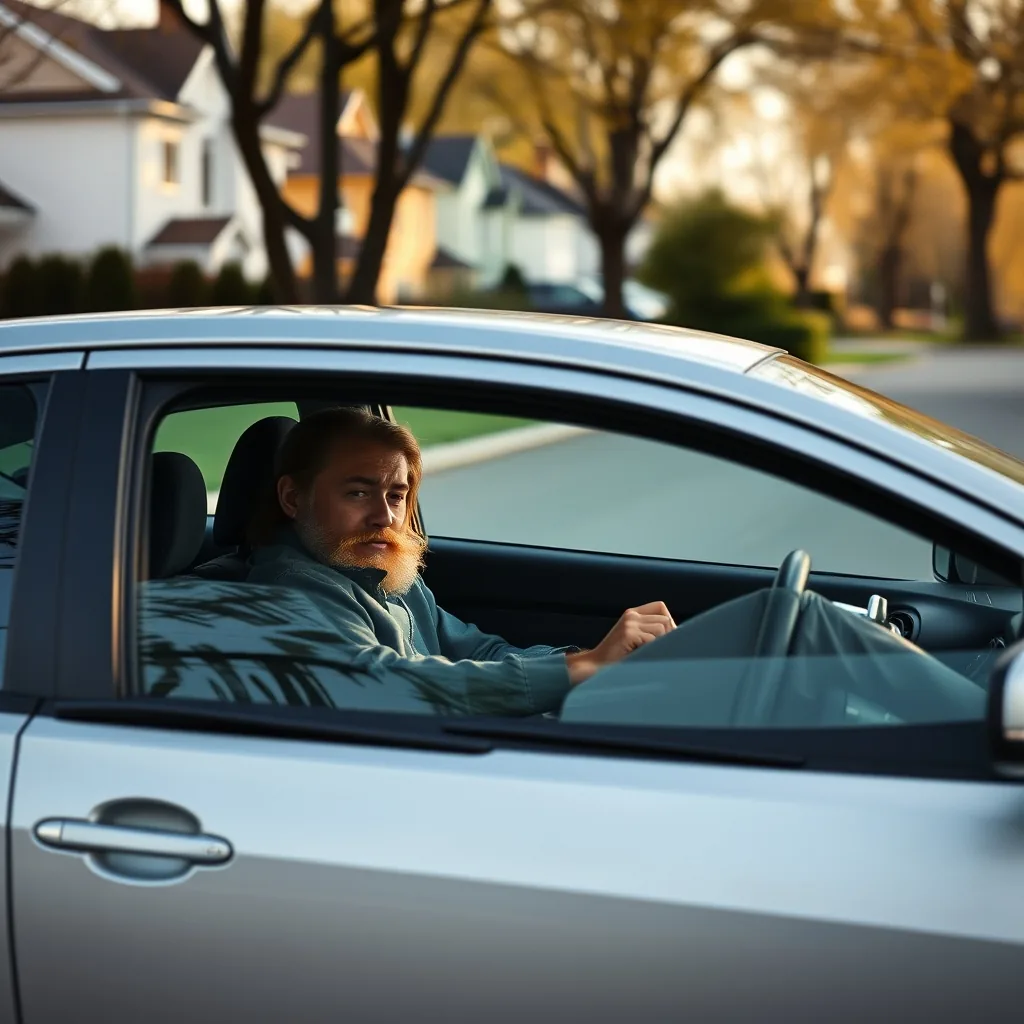
Vehicle type comes first. A big roomy car is tempting, but large models tend to be less maneuverable, and most instructors drive a hatchback. Since the hatchback is one of the most common body styles, it makes switching to your own car easy once you get used to it. You can still move to a pickup or an SUV later when you feel more confident on the road.
Visibility is the next thing to check. The more aware you are of your surroundings, the lower the risk of hitting something, damaging the car, or hurting yourself and others. Parking sensors, rear-view cameras, and blind-spot monitors all help today. Still, start with a car that offers clear sightlines on its own, and read our guide on how car safety is tested in crash tests to understand which ratings truly matter.
When driving your instructor car, pay attention to responsiveness, meaning how quickly it moves after you press the pedals. Some cars pull away instantly while others take a moment, which can matter a lot during maneuvers such as merging or hill starts. Make sure the car matches your style so you and the machine stay in sync.
Transmission type shapes what you can drive later. Learning in an automatic may be easier, yet it limits the range of vehicles you are licensed for in many places. Manual cars also tend to cost less for the same reason. Once you master a stick shift, switching to an automatic takes almost no effort.
Reliability matters because no new driver wants to deal with breakdowns. Dependable does not have to mean expensive, and instructor fleets prove it, since they run durable mainstream models. Do not dismiss secondhand cars as unreliable either. With the right checks you can match much of that peace of mind without overpaying, so browse our used-car buying guide before you rule anything out.
Best cars for learning to drive: 5 Safe and Easy Models
Each of the best cars for learning to drive below is affordable, easy to handle, and packed with driver aids. These five picks show up again and again on instructor shortlists for good reason.
Honda Civic. You can hardly go wrong with this model, as it offers nearly everything a new driver needs. Forward-collision sensors, lane-keeping assistance, and other driver aids take pressure off beginners. The controls feel light, outward vision is good, and running costs stay reasonable for the class.
Subaru Impreza. This is a strong pick for dependability and comfort. Learners appreciate its modern safety and assistance systems that flag blind spots and help avoid collisions. The ride feels planted in bad weather, and the cabin stays calm enough for nervous drivers to focus.
Ford Fiesta. Many instructors favor this one for their pupils. It is cheap to buy and run, especially as a recent used example, and it reacts quickly without feeling twitchy. Light steering, a compact footprint, and simple controls make parking and town driving far less stressful.
Kia Picanto. Kia has come a long way from its budget-only image to a safe and genuinely affordable choice. It sips fuel, carries solid equipment for the price, and backs it with a seven-year or one-hundred-thousand-mile warranty. No wonder the Picanto ranks among the top recommendations for beginners.
Volkswagen Polo. Even a slightly older Polo remains a cost-effective and learner-friendly car. Spend a little more and you unlock newer assistance tech that adds support and safety on the road. Refined manners, clear instruments, and predictable handling round out the package.
Practice between lessons locks in these skills. Short, frequent sessions beat one long weekend drive, so aim for two or three relaxed outings per week with a licensed supervisor. Repeat the basics of mirror checks, smooth braking, and lane discipline until they feel automatic.
Final Thoughts for New Drivers
Before your first solo trip, review the official NHTSA teen-driving guide for curfews, passenger limits, and nighttime rules in plain language. Those checklists pair well with the model notes above and help you plan supervised hours with a clear goal each time.
We publish more practical articles that come in handy when choosing a car, new or used, along with reviews of popular brands, so feel free to explore the site. Pick your shortlist, book a test drive, and compare insurance quotes before you sign anything.
In the end, the best cars for learning to drive are the ones that fit your budget, your routes, and your confidence level. And remember, when learning to drive, a great instructor matters no less than choosing the right car.
FAQs
Should I learn in my own car or an instructor car?
An instructor car is usually the safer choice for the first lessons. Dual pedals let the teacher step in fast, insurance and fuel are covered, and the car is set up for slow-speed practice. Once basic control feels natural, add supervised hours in a family car to build variety.
Is an automatic or a manual better for a first-time driver?
An automatic lets you focus on steering, mirrors, and traffic without clutch timing. A manual takes longer to learn but keeps every option open and often costs less to buy. If local rules limit automatic-only license holders, starting with a stick shift saves a retest later.
Which safety features matter most in a first car?
Put clear visibility, automatic emergency braking, and a reversing camera at the top of the list. Blind-spot alerts and parking sensors also cut the most common beginner scrapes. Pair those aids with strong crash-test scores rather than chasing power or styling extras.

Dinda Margareta is a senior automotive editor at Auto Store covering collision repair, EV tech, and classic restoration. 5+ years, 130+ guides. Method: OEM position statements and repair data cross-reference. Author of 2,333 auto guides since 2022.
More Stories
Amalgam Collection Announces Partnership With IndyCar, Reveals New Dallara Model
Tesla delays deliveries due to missing charge port part
2022 Dodge Durango R/T Hemi Orange revealed