

Table of Contents
Off-roading tips begin with smart packing, because dirt trails punish drivers who arrive unprepared. Taking a car or truck off pavement can be thrilling, and it tests driving skill across mud, sand, rocks, and steep grades. This guide gathers advice from seasoned trail drivers so you can enjoy the adventure and return home safely.
We asked several experienced trail drivers what they carry on every outing, and we combined their answers into a practical checklist. The result covers essential gear, vehicle preparation, and calm decision making when conditions turn rough. Keep this guide in your glove box before your next trip.
Off-Roading Tips: Must-Have Gear for Every Trip
Start with the basics that no driver should skip, then add the specialized tools below. The following off-roading tips reflect what veteran trail riders actually pack for day trips and weekend runs. Pack the kit once, leave it in your truck, and refresh consumables before each outing.
- First aid kit, water, and food: carry more drinking water and snacks than the trip plan requires, since remote trails often add unexpected hours.
- Vehicle jack: confirm the jack works with your lifted ride height and pack a solid base board for soft ground.
- Portable air compressor and tire gauge: drivers air down for grip on sand and rocks, then must reinflate before pavement.
- Flashlight and warning flare: keep a strong flashlight plus a flare or reflective triangle within arm’s reach.
- GPS navigation with offline maps: phone signal usually fails off road, so preload offline maps in an app such as Gaia GPS or OnX before departure.
- Jump starter and jumper cables: a portable jump starter restarts your truck without a second vehicle and doubles as a device charger.
- Phone charger and portable battery pack: cold weather drains batteries fast, so bring backup power for phones and GPS units.
- Recovery kit: pack leather gloves, a sturdy shovel, bow shackles, and rated recovery straps to pull a stuck vehicle free.
- Full-size spare tire and repair kit: sidewall cuts cannot be patched, so a full-size spare plus plugs and sealant covers both cases.
- Tire chains: mandatory for winter runs where ice and packed snow destroy traction.
- Toolbox and traction boards: include common sockets, a lug socket, voltmeter, zip ties, screwdrivers, pliers, mallet, duct tape, and a breaker bar, plus boards that double as bridges over gaps.
Store the heavy gear low and strapped down so it cannot shift on steep climbs. A loose jack or battery pack becomes a hazard the first time the trail tilts your truck sideways.
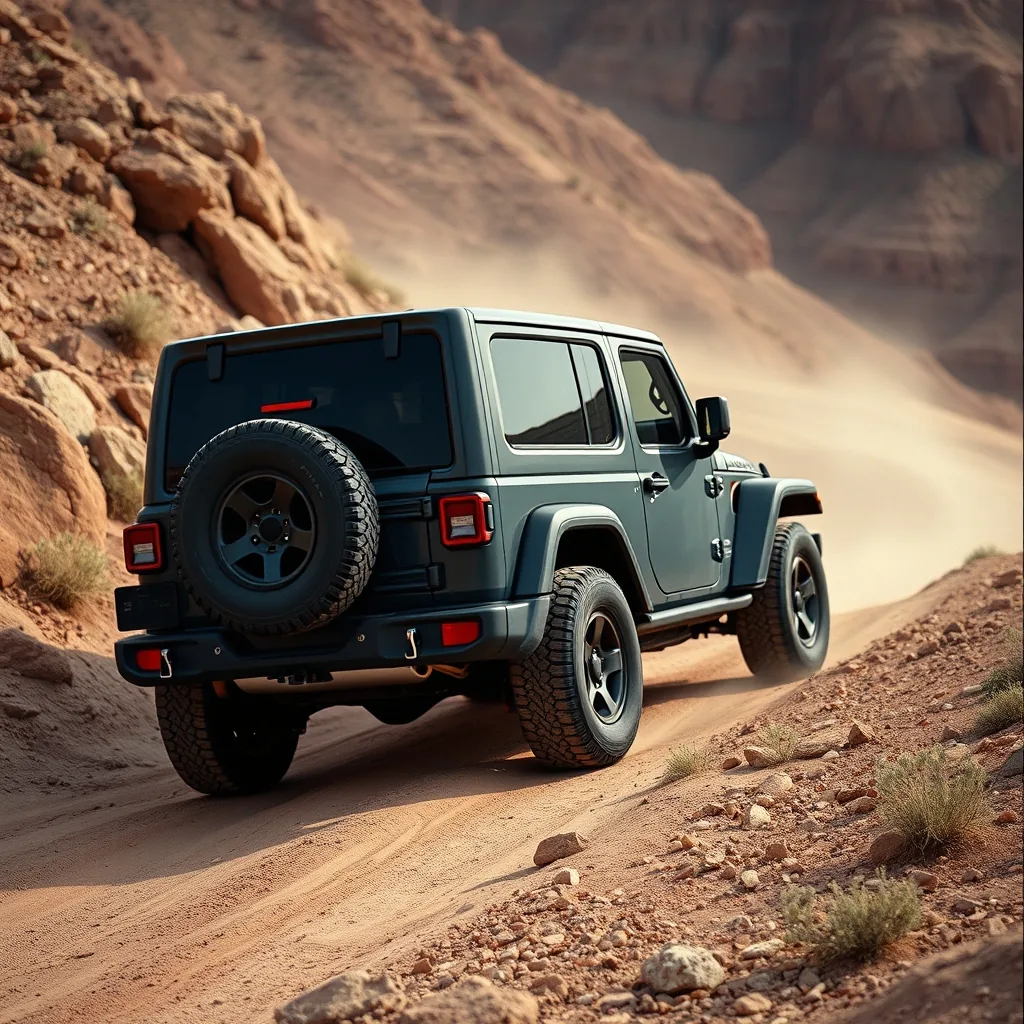
Another group of off-roading tips concerns power and navigation, since dead batteries and lost signals strand drivers every year. A portable jump starter with built-in cables can restart your truck without a second vehicle, and many models include a flashlight plus USB ports for phones. Download offline maps before you leave, because cell service usually vanishes within a few miles of the trailhead.
Vehicle Checklist Before Hitting the Trails
A short inspection at home prevents most trail failures, and these off-roading tips take less than an hour to complete. Work through each step the evening before departure so parts stores are still open if you find a problem.
- Change the oil and check the level: top off or replace old oil before dusty climbs strain the engine, and follow this oil change guide for Jeep owners if service is due.
- Set tire pressure: check pressure before, during, and after the trip with your own gauge, since you will air down and back up along the way.
- Test all fluids: inspect coolant, transmission, brake, and differential fluids, and flush anything dark or burnt before remote runs.
- Top off washer fluid: dust coats the windshield within minutes on convoy runs, and clear vision keeps the whole group safe.
- Inspect the spare tire: confirm the spare holds air and shows no cracks, and verify the lug wrench actually fits your nuts.
- Fill the fuel tank: never leave pavement without a full tank, and strap a sealed spare can only for long desert crossings.
- Write down medical details: keep allergies, conditions, and emergency contacts on a card in your wallet in case rescuers need them.
Keep up with scheduled service all year, not just before trips, and review our routine car maintenance checklist each season. Trucks that tow, climb, or crawl through dust need shorter service intervals than daily commuters.
Off-Roading Tips for Handling Dangerous Situations
Stay calm when trouble hits, because panic causes more damage than mud or rocks ever will. These off-roading tips for emergencies start with preparation: you packed the gloves, tools, and recovery boards, so use them step by step. If a tire goes flat, set the brake, chock the wheels, and change it with the same care you would use at home.
Veteran drivers stress that every outing carries real risk, even on familiar trails. One mentor puts it bluntly: a navigator can get you lost, but a driver can get you hurt, so keep risk low and drive only what you can see. Never crest a blind hill at speed, and walk an obstacle on foot before driving it when visibility is poor.
The best off-roading tips also cover the drive home, since your truck must carry you back after the fun ends. Drive conservatively early in the day to preserve the vehicle, and save hard lines for the end when help is closer. Bring extra layers and a blanket, because desert nights turn freezing fast.
One driver learned that lesson the hard way after underestimating nighttime cold with a lightly rated sleeping bag. He piled on spare jackets, zipped the bag over his head, and shivered until sunrise, then added a spare blanket to his permanent kit. Learn from mistakes like that without repeating them.
Compare your packing list with the official Jeep beginner’s guide to off-roading from the manufacturer for extra background on terms and techniques. Pair that primer with the steps above before your first group run.
In summary, proven off-roading tips work only when you follow them every single trip. Pack the gear, prep the truck, travel with friends, and keep speeds low on unknown ground. Do that consistently and every trail becomes safer and far more fun.
Use these off-roading tips on your next outing, then refine the kit based on what you actually used. Trails reward drivers who prepare well, stay patient, and keep learning, so share your own off-roading tips with the group and head out ready.
What gear should I pack first for a trail run?
Pack water, food, a first aid kit, a jack, a spare tire, a flashlight, and offline maps before anything else. Add recovery straps, a shovel, gloves, and a portable air compressor for rough routes. Store heavy items low and strapped down so the load stays stable on steep climbs.
How do I handle tire pressure on dirt and rocks?
Air down at the trailhead for a bigger contact patch and better grip on sand or rocks. Carry your own gauge and a portable compressor so you can reinflate to road pressure before driving home. Check the spare as well, since a flat spare helps nobody.
What should I do if my truck gets stuck?
Stay calm, set the brake, and step out to inspect the situation before touching anything. Clear mud or sand from the tires, lay traction boards under the drive wheels, and use rated straps with a second vehicle when needed. Never rush, and call for help early if the spot looks unsafe.

Dinda Margareta is a senior automotive editor at Auto Store covering collision repair, EV tech, and classic restoration. 5+ years, 130+ guides. Method: OEM position statements and repair data cross-reference. Author of 2,333 auto guides since 2022.




More Stories
TAG Heuer Releases A Special Edition Monaco Watch In Time For The 2022 Monaco Grand Prix
History On the Light Box
Review: The 2022 Honda Passport TrailSport trucks up