

Table of Contents
Car servicing cost is the first thing smart drivers should factor in before they buy a used vehicle. When you shop for a car with prior ownership, you must weigh options, mechanical condition, mileage, age, and general wear and tear. Many buyers focus only on sticker price and forget upkeep bills, even though maintenance becomes the largest car expense after purchase.
With such a long checklist to review before you buy, it is no surprise that most shoppers overlook future maintenance bills. Those bills still matter a great deal, because routine upkeep is often the biggest cost you will face after you drive home. Planning for service early helps you set a realistic budget and avoid surprise charges in the first year.
There are many things you can do to reduce what you spend on maintenance, both before and after purchase. Smart moves range from learning the right time to book a full service for your vehicle to choosing a model known as one of the cheapest cars to run. Small decisions at each step add up to large savings over time.
With the cost of living rising and set to climb further before the end of the year, it is more important than ever to cut spending where you can. The tips below will help your budget go further, with practical steps to lower what you pay at the garage while keeping your car safe and reliable.
Why Car Servicing Cost Matters for Every Driver
While holding a valid yearly MOT certificate is a legal requirement for owning a car in Britain, booking a routine service is not. You can check the official rules in the MOT guide for cars to see what testers inspect each year. This gap leaves many drivers unsure how often they should book a check and what should be tested each time.
While servicing is not required by law, there are strong reasons to book it on schedule, especially when car servicing cost pressure makes every repair hurt more. A mechanic will inspect items such as the battery, drive belts, handbrake, and clutch, which protects your safety and improves efficiency. Better efficiency saves money on fuel and stops small faults from turning into large repair bills, while a full history also protects resale value if you sell later.
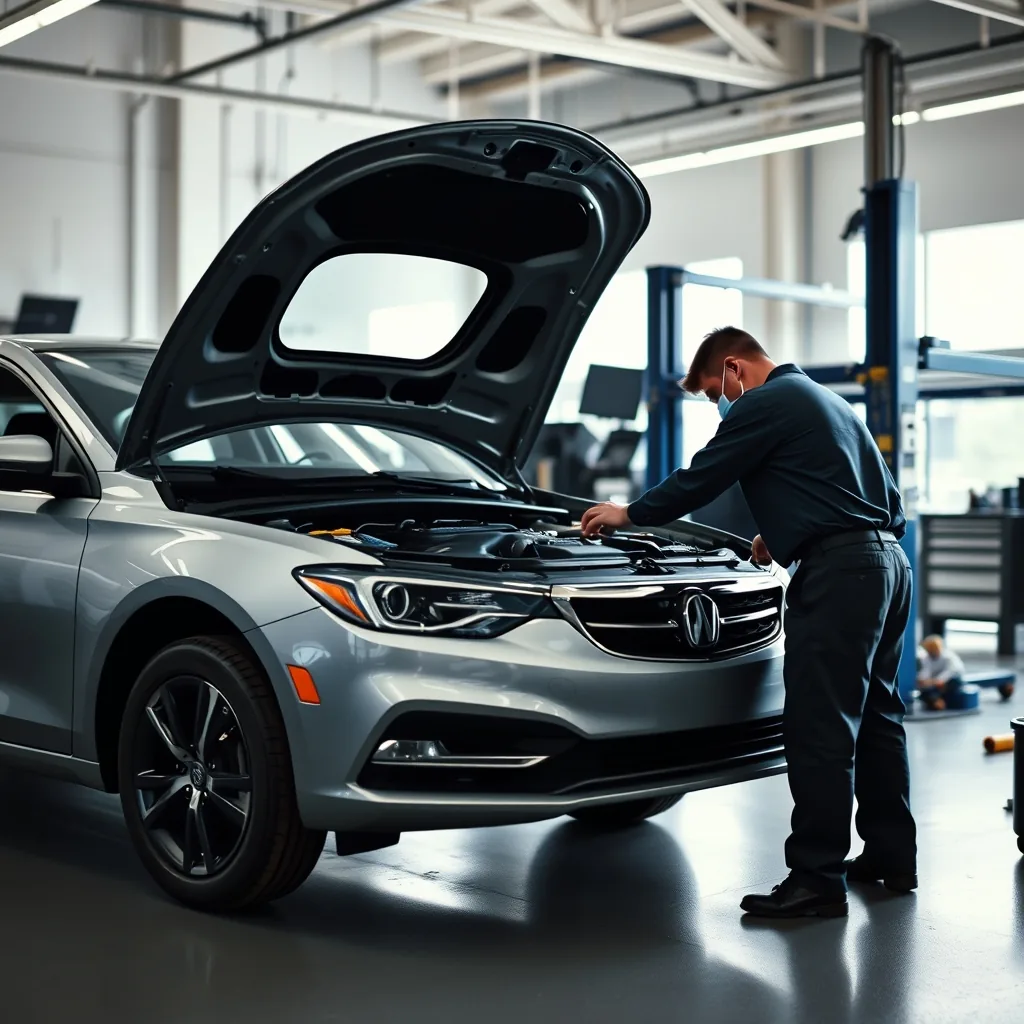
What Is the Average Car Servicing Cost Right Now
Uncertainty about maintenance drives many owners to book the wrong type of service or to visit the garage more often than needed. Once you understand the main service levels and when each one applies, you can avoid duplicate work and keep total upkeep bills lower through the year.
There are two main service levels, interim and full, and mileage decides which one fits your routine. Cars that mostly run short trips should have an interim service about every six months, while cars that cover more than 12,000 miles per year should have a full service at least once per year. When car servicing cost is on your mind, matching the right level to your mileage is the simplest way to avoid paying for work you do not need.
Typical prices give a useful starting point before you call for quotes. The current car servicing cost benchmark is about £100 for an interim service, while a full service runs about £150 to £220 for average cars and up to £400 for larger models. Older cars may also need an occasional major service to catch serious faults early.
How to Lower Your Garage Bills Without Cutting Corners
Although the age and type of car you drive have the biggest effect on what you pay, daily habits still move the needle. Do basic monthly checks such as tire pressure, oil level, and coolant, and follow a steady routine car maintenance schedule so small issues never grow. It also pays to compare quotes across shops, since the same car servicing cost job can vary widely by area, and our preventive maintenance tips show which checks prevent the most expensive failures.
Which Models Are the Cheapest to Maintain
The most effective way to pay less over time is to buy a model known for low running bills from the start. Newer cars and models with a record for efficiency tend to need fewer repairs and often receive lower service quotes. If low car servicing cost is your priority, shortlist proven efficient models before you fall in love with styling or power alone.
Recent lists of the cheapest cars to run highlight small models built for short trips, such as the Skoda Citigo, Citroen C1, and Fiat Panda. Owning one of these cars often means a calm few years with minimal faults and modest garage bills, since fuel use, insurance group, and parts prices stay friendly. Drivers who compare this class on purchase price plus expected car servicing cost usually keep total ownership bills lowest.
Keep every invoice and stamp your service book, because a full history builds trust with buyers and helps mechanics spot patterns faster. Ask each shop for an itemized quote before work starts, approve only the lines you understand, and keep worn parts as proof when a big job is claimed. A short call to two nearby garages each year keeps pricing honest without extra driving.
How often should I service my car?
For most drivers, book an interim check every six months or 6,000 miles and a full service every 12 months or 12,000 miles, whichever comes first. Cars that run only short trips need fresh oil sooner, while low mileage cars still need yearly fluid and safety checks.
Can I do basic checks myself between garage visits?
Yes. Check tire pressure, oil level, coolant, washer fluid, lights, and wipers once per month using the owner manual as a guide. These quick checks take about fifteen minutes, catch leaks early, and help you describe symptoms clearly when you call the shop.
How can I tell if a garage quote is fair?
Ask for an itemized quote with parts, labor hours, and fluid specs, then compare it with one rival quote for the same work. Fair shops explain each line, show old parts, and never push urgent safety scares without photos or measurements you can verify.

Dinda Margareta is a senior automotive editor at Auto Store covering collision repair, EV tech, and classic restoration. 5+ years, 130+ guides. Method: OEM position statements and repair data cross-reference. Author of 2,333 auto guides since 2022.



More Stories
Amalgam Collection Announces Partnership With IndyCar, Reveals New Dallara Model
Tesla delays deliveries due to missing charge port part
2022 Dodge Durango R/T Hemi Orange revealed