
Table of Contents
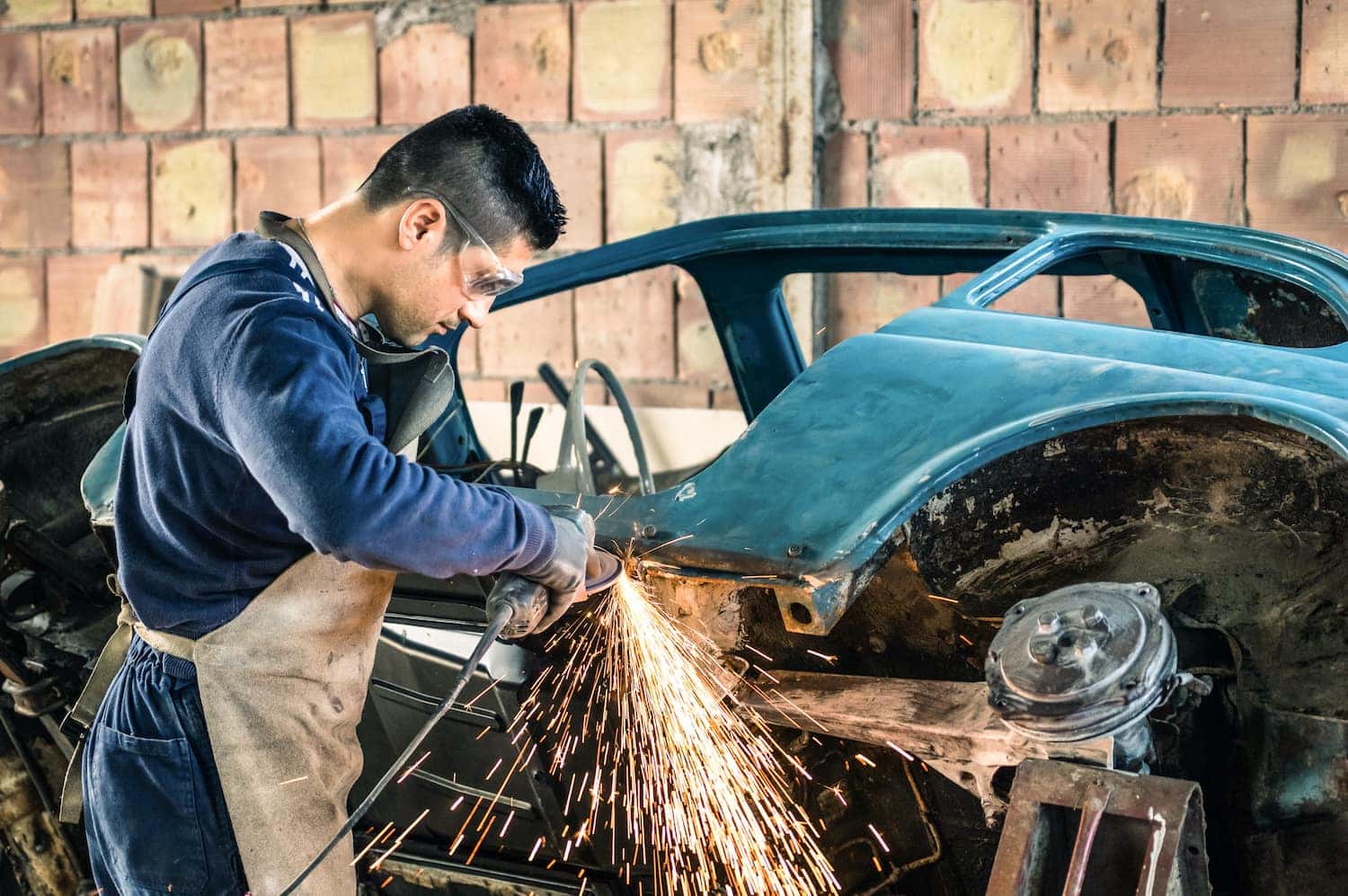
car restoration In the realm of automotive enthusiasts, heritage rebuild isn’t just a hobby; it’s a passionate pursuit that breathes new life into classic vehicles, preserving their heritage for future generations. Through meticulous craftsmanship and dedication, history revival artisans revive old cars from decrepit states, transforming them into gleaming symbols of bygone eras. This process not only honors the engineering marvels of the past but also ensures that their stories continue to resonate in the present day.
The Art of Restoration
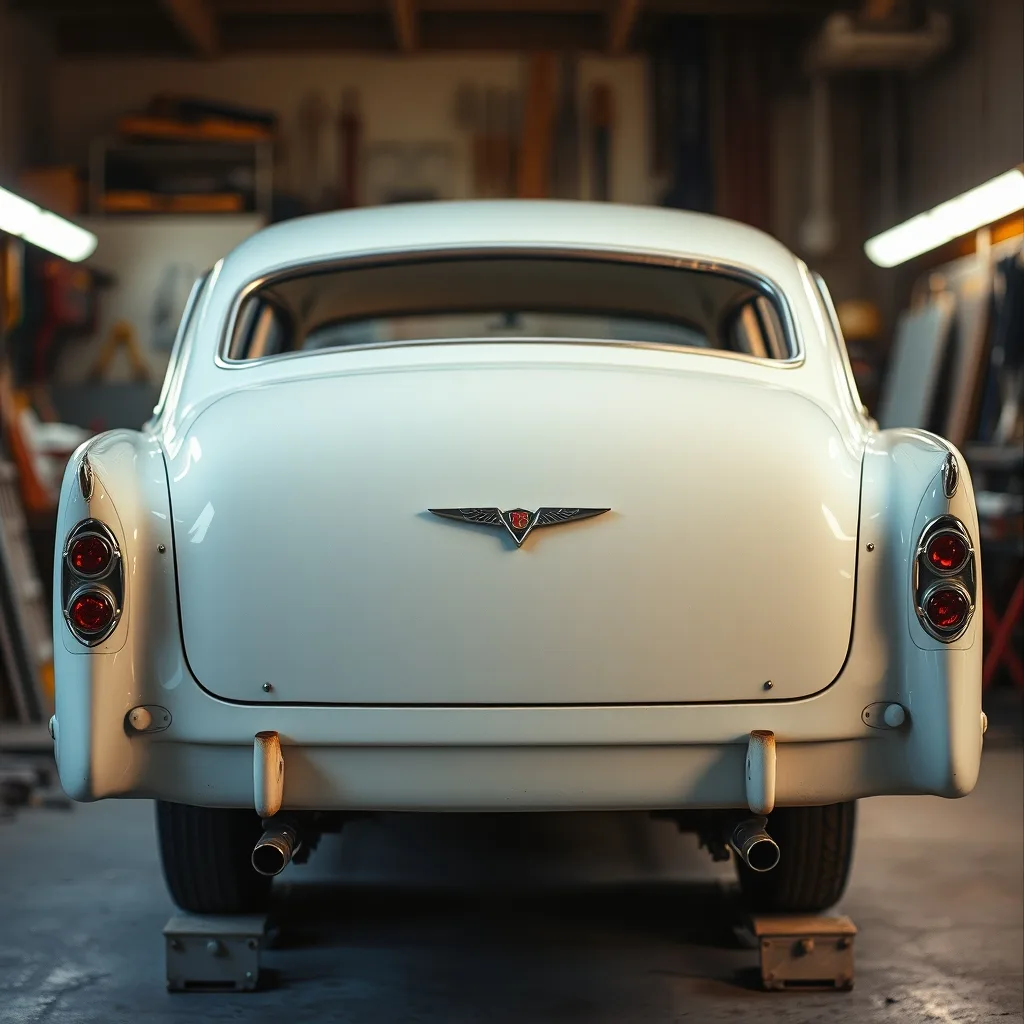
heritage rebuild is as much an art form as it is a technical endeavor. It requires a deep understanding of automotive history, engineering principles, and craftsmanship. Restorers often start with a vision fueled by historical research and a profound respect for the vehicle’s original design and specifications. From disassembling every component to sourcing period-correct parts and materials, every step is crucial to maintaining authenticity and integrity.
Preserving Heritage
At its core, history revival is about preserving heritage. Each restored vehicle becomes a tangible link to the past, showcasing the technological advancements, design trends, and cultural influences of its era. Whether it’s a classic American muscle car from the 1960s or a luxurious European grand tourer from the 1930s, these restored cars tell stories of innovation, craftsmanship, and the spirit of their time.
Historical Significance
Many vintage renewal projects focus on historically significant vehicles. These may include cars that participated in iconic races, were owned by notable figures, or represent pivotal moments in automotive history. By meticulously restoring these cars to their former glory, enthusiasts ensure that the legacy of these vehicles lives on, allowing future generations to experience and appreciate their historical significance firsthand.
Technological Expertise
Behind every successful heritage rebuild project lies a wealth of technological expertise. Restorers often encounter unique challenges, from replicating obsolete parts to diagnosing complex mechanical issues. Their ability to blend traditional craftsmanship with modern techniques, such as 3D scanning and additive manufacturing, enables them to overcome these challenges while maintaining the authenticity of the restored vehicle.
Community and Passion
history revival fosters a vibrant community of enthusiasts who share a common passion for automotive history and craftsmanship. Whether it’s attending car shows, participating in restoration workshops, or exchanging knowledge online, enthusiasts form connections that transcend geographical boundaries. This sense of community not only fuels creativity and innovation but also ensures that expertise is passed down to future generations of restorers.
Educational Value
Beyond its recreational and cultural significance, vintage renewal serves as a valuable educational tool. It offers insights into engineering principles, materials science, and the evolution of automotive design. Many educational institutions and museums incorporate restored vehicles into their programs to educate students and visitors about technological advancements and societal changes throughout history.
Economic Impact
The car restoration industry also has a significant economic impact. It supports a wide range of businesses, from specialized restoration shops and parts suppliers to vintage car dealers and auction houses. Moreover, restored cars often appreciate in value, making them attractive investments for collectors and enthusiasts alike. This economic ecosystem not only sustains livelihoods but also contributes to the broader automotive industry.
Challenges and Rewards
While car restoration is deeply rewarding, it is not without its challenges. Restorers may face issues such as rust damage, mechanical failures, and scarcity of original parts. Each restoration project requires patience, perseverance, and a keen attention to detail. However, the satisfaction of bringing a neglected car back to its former glory and seeing it admired by fellow enthusiasts outweighs the challenges encountered along the way.
Environmental Considerations
In recent years, car restoration has increasingly focused on sustainability and environmental responsibility. Restorers are mindful of minimizing waste, recycling materials whenever possible, and using eco-friendly practices in their workshops. Some even explore alternative powertrains, such as electric conversions, to marry classic aesthetics with modern environmental standards, ensuring that car restoration remains relevant in an era of heightened environmental awareness.
Cultural and Artistic Expression
Beyond its technical aspects, car restoration is a form of cultural and artistic expression. Each restored vehicle reflects the tastes, values, and aspirations of its original era while bearing the imprint of the restorer’s craftsmanship and interpretation. Whether it’s preserving a vintage paint color or recreating intricate interior upholstery, these artistic choices imbue restored cars with a unique character that resonates with collectors and enthusiasts alike.
car restoration
In conclusion, car restoration plays a vital role in keeping automotive history alive. It celebrates the ingenuity of past generations, honors the legacy of iconic vehicles, and fosters a passionate community dedicated to preserving automotive heritage. As technology advances and societal values evolve, car restoration continues to evolve as well, embracing innovation while remaining steadfast in its commitment to authenticity and craftsmanship. Through the efforts of dedicated restorers and enthusiasts, classic cars will continue to roll down the roads of history, captivating hearts and minds for generations to come.
See vintage guide, muscle builds and parts guide. Learning: McPherson program.
Ownership log that pays: date, mileage, shop, work done, parts used and next due point. Photograph receipts in one folder.
Seasonal rhythm: spring wipers, summer shade, autumn battery, winter pressure. Test-drive the same route after service.
Money traps: lump sums without detail and pressure upsells at pickup. Honest shops welcome questions and second opinions.
Photograph numbers with codes before ordering parts.
Test-fit panels before paint today.
Keep boxes for returns this month.
Log codes with photos for parts hunting.
Ask clubs for leads today.
Join clubs for leads with photos today.
Save codes in one file now.
File today for next steps.
Act early for best parts today.
Share finds with clubs now.
What is car restoration?
It is bringing old vehicles back with correct panels, paint and mechanicals. Research years and codes before buying parts.
How long does it take?
Driver refreshes take weeks, while show builds take months to years. Set staged budgets with photo milestones.
Is it worth the cost?
Solid cars with records hold value and teach skills. Buy the best body affordable. Passion should lead.

Dinda Margareta is a senior automotive editor at Auto Store covering collision repair, EV tech, and classic restoration. 5+ years, 130+ guides. Method: OEM position statements and repair data cross-reference. Author of 2,333 auto guides since 2022.


More Stories
Classic Car Restoration: 7 Iconic Show Builds
Muscle Car Restoration: 7 Reasons It Steals Hearts
Porsche Restoration: 7 Reasons It Is Worth It