
Table of Contents
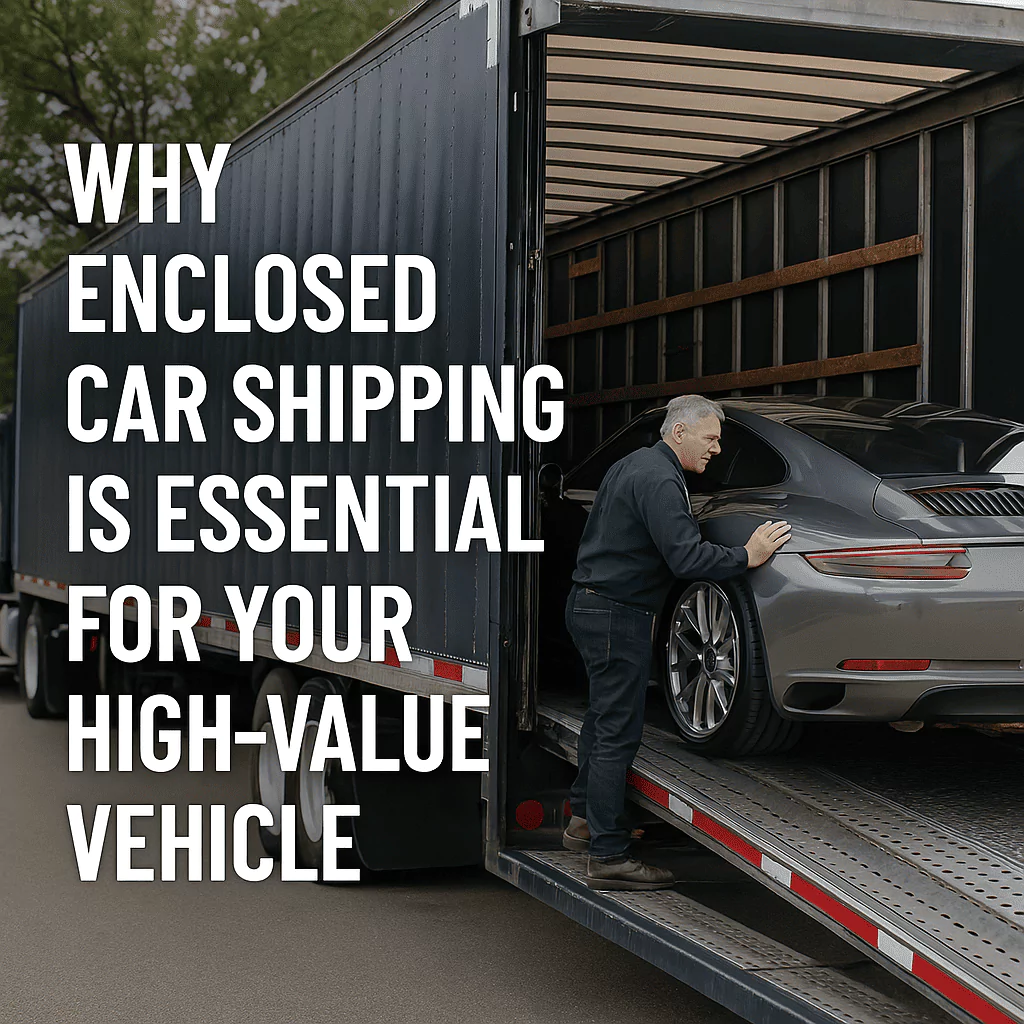
- Complete Protection from External Elements: Enclosed shipping keeps your vehicle shielded from rain, snow, hail, and dust, which can all cause long-term damage to the paint and mechanical components of your car. The protection offered by an enclosed carrier is invaluable, particularly when shipping vehicles through areas prone to harsh weather conditions.
- Safeguarding from Road Debris: On open-air carriers, your vehicle is at risk of being hit by road debris, rocks, and other environmental hazards. Enclosed shipping minimizes these risks, keeping your car’s exterior free from scratches, dings, or chips caused by such debris.
- Increased Security: Enclosed car shipping offers better security for valuable vehicles. Since the carrier is locked and sealed, your vehicle is less susceptible to theft or vandalism during transport. The added layer of security provides you with greater peace of mind, especially if you’re shipping an expensive or rare vehicle.
- Expert Handling: Shipping luxury cars requires expertise. Enclosed transport services specialize in handling high-end vehicles, ensuring that they are carefully loaded and unloaded using hydraulic lifts and ramps. This careful handling minimizes the risk of any accidents or damage to the car.
- Clean Your Vehicle: A clean car makes it easier to inspect for pre-existing damage, and it also allows the transport company to carefully document the vehicle’s condition before departure.
- Remove Personal Items: While it might be tempting to leave items in your car, it’s best to remove any personal belongings, as they could be damaged during transport or violate the transport company’s policies.
- Check Fluid Levels: Ensure that your vehicle is in good working order, with adequate fuel levels and properly functioning brakes.
- Inspect for Existing Damage: Document any existing scratches, dents, or other imperfections. This will ensure that you’re aware of the condition of your vehicle before it’s shipped, and will help in case of any claims upon delivery.
Ownership log: date, mileage, shop, work, parts and next due. Photograph receipts.
Winter prep: battery load and antifreeze. Summer: fans and tire cracks. Shoulder seasons suit alignments.
Final habit: photograph dash mileage after visits with reminders set. This keeps history complete.
Confirm cargo insurance limits with certificates before loading day. Note existing chips with time-stamped photos.
Keep fuel low with alarms off. Share a second contact number for delivery day.
Inspect with the driver at pickup and drop using the same checklist form.
Ask for hydraulic lift photos with soft-strap methods shown. Keep driver contact with daily updates.
Request delivery windows in writing with delay rules. This prevents storage surprises.
Walk the trailer floor notes with the driver before signing anything today.
File the bill of lading with photos today for claims proof.
Confirm storage rules with daily rates in writing now.
What is enclosed car shipping?
It is covered trailer transport that shields valuable cars from weather, dust and road debris. Expect hydraulic lifts, soft straps and full insurance.
How much does it cost?
Rates vary by distance, size and season, often above open carriers. Get binding quotes with pickup windows and coverage limits first.
How do I prepare my car?
Photograph all panels, remove loose items and keep fuel low. Share alarm codes and a contact number. Inspect with the driver at both ends.

Dinda Margareta
Dinda Margareta is a senior automotive editor at Auto Store covering collision repair, EV tech, and classic restoration. 5+ years, 130+ guides. Method: OEM position statements and repair data cross-reference. Author of 2,333 auto guides since 2022.

More Stories
Helmet for Men: 7 Tips to Choose the Perfect Fit
Cash for Cars: The Smart Way to Sell Your Junk Car in Dallas, TX
Auto Rescue: 7 Reasons It Saves Drivers