

Table of Contents
Best EV charger is the first upgrade every electric vehicle owner should plan for home use. Charging at home costs far less than public fast charging, often about one third of the price, and the car refuels while parked overnight. This guide compares five proven Level 2 units plus key buying rules, so you can match circuit capacity, vehicle acceptance rate, and charger output without overspending.
How to Choose the Best EV Charger for Home
Choosing the best EV charger starts with three numbers that must work together. First, check the household circuit you can spare, usually a 40 amp or 50 amp breaker for continuous load. Second, check the charger output, which ranges from 32 amps to 48 amps in this roundup. Third, check the maximum rate your vehicle can accept, because a car with a small onboard charger gains nothing from a bigger wall unit.
Home charging beats public charging on cost, comfort, and battery health. A 240 volt Level 2 unit adds roughly 25 to 40 miles of range per hour, so most drivers wake to a full battery. Slow overnight sessions also stress the battery less than repeated fast charging stops. For most households, the best EV charger for daily driving is a single wall unit in the garage that covers routine miles with ease.
A smart best EV charger adds Wi-Fi control that a basic cord cannot match. Connected units track energy use, schedule off peak sessions, send phone alerts, and limit current from an app. Some utilities offer lower night rates, so scheduling alone can cut bills by a large margin. If you want remote monitoring and usage reports, pick a connected model from the table below.
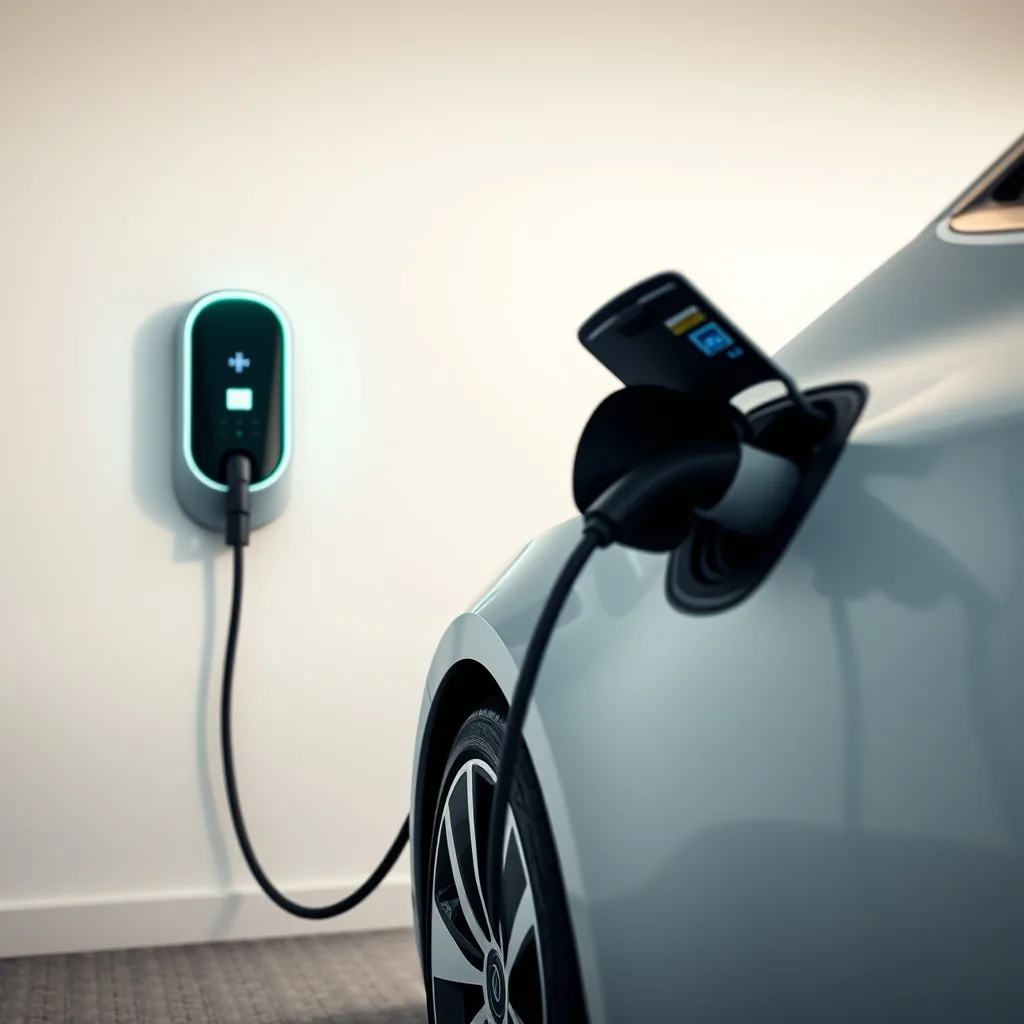
Best EV Charger Comparison Table
Below is a quick side by side of the five units covered in this guide. Use it to narrow output, connectivity, and use case, then read the short review notes for fit and finish. Prices shift with sales, so treat the bands as rough guides rather than fixed quotes.
| Model | Max output | Connectivity | Best for |
|---|---|---|---|
| JuiceBox 40 | 40A (48A version sold) | Wi-Fi app, scheduling | Most garages, strong app |
| ChargePoint Home Flex | 16A to 50A adjustable | Wi-Fi app, reminders | Flexible circuits |
| Tesla Wall Connector | 48A | Wi-Fi, power sharing | Tesla driveways |
| Grizzl-E Smart | 40A adjustable | Wi-Fi app, rugged case | Tough garages |
| Lectron 32 Amp | 32A | Basic, no app | Tight budgets |
Before you shop, confirm where the unit will live and how it will connect. A plug-in NEMA 14-50 model installs fast and can travel with you, while a hardwired unit looks cleaner and often supports higher current. The best EV charger location keeps the cable short, the Wi-Fi signal strong in the garage, and panel space confirmed with an electrician. Good planning prevents costly rework later.
JuiceBox 40
The JuiceBox 40 leads this group with broad output choices and a polished app. The tested 40 amp version ran cool on a 50 amp circuit, while 32 amp and 48 amp versions cover smaller panels and faster cars. Scheduling, energy history, and alerts work well in daily use. It is a strong default for drivers who want data and control.
ChargePoint Home Flex
ChargePoint Home Flex matches the leader on features and adds wide current adjustment from 16 to 50 amps. Setup walks through breaker size step by step, which helps renters and owners with small panels. The cord stays flexible and the holster feels solid. Pick it when you need one unit that adapts to future circuits.
Tesla Wall Connector
Tesla Wall Connector suits Tesla owners who want top output and clean cable sharing between two units. The 48 amp peak needs a 60 amp breaker, so confirm panel capacity first. Fit and finish feel premium and the short cable path keeps walls tidy. Non Tesla drivers can still use it with the correct adapter.
Grizzl-E Smart
Grizzl-E Smart brings a metal case and simple controls for rough garages and cold sheds. Output adjusts inside the cover to match the breaker, which keeps installs safe. The app covers scheduling and metering without clutter. Choose it when durability matters more than extra software extras.
Lectron 32 Amp
Lectron 32 Amp is the budget pick for drivers who just need safe overnight range. It skips Wi-Fi to hit a lower price, yet the plug, holster, and cord feel solid for the class. On a 40 amp circuit it adds ample miles by morning for most commutes. It is ideal as a first wall cord or a travel spare.
Electrical safety decides which best EV charger you can install without a panel upgrade. A 40 amp breaker supports 32 amps continuous, while a 50 amp breaker supports 40 amps continuous under the 80 percent rule. If your panel is full or your service is small, a 32 amp unit still charges most cars overnight. For repair context beyond charging, see this electrical car repair guide that explains common circuits and faults.
Cable quality matters more than shoppers expect in daily use. The best EV charger cord stays flexible in cold weather, spans 20 to 25 feet, and pairs with a holster plus a clear status light. Heavy stiff cables drag on paint and strain the port, while short cords force tight parking. The models below all use the standard J1772 plug that fits every new electric car with the included adapter for Tesla vehicles.
Value is where the best EV charger search gets practical for most budgets. Entry units near 300 dollars charge just as fast as premium units at the same amperage, so you pay extra mainly for software, warranty, and build finish. Mid range connected units near 600 dollars suit most buyers, while top units near 1000 dollars add longer warranties and stronger apps. Pick features you will actually use each week.
How We Test Home Charging Units
Installation cost often rivals the hardware price, so the best EV charger budget covers both parts and labor. A short run next to the panel may cost a few hundred dollars, while a long run through walls or a panel upgrade costs far more. Get two or three quotes from licensed electricians and ask about permits, GFCI rules, and utility rebates. A certified installer will also confirm torque, wire size, and breaker choice.
To keep total cost low, pair the right best EV charger with a utility rate plan that rewards night charging. Many power companies discount energy after 9 p.m. or before 6 a.m., which is exactly when home units run. Combine scheduled charging with a connected app and you can track savings each month. For background on public options and road trip charging, read our EV charging cost time and stations overview.
Weather rating counts when the unit sits outside or in an open carport. The best EV charger for outdoor use carries a NEMA 4 or IP66 enclosure that resists rain, dust, and hose spray, plus an operating range well below freezing. Hardwired outdoor installs need proper conduit and a disconnect where code requires it. When in doubt, ask a pro to review the install plan before you drill or trench.
For a safe install the first time, follow the Qmerit EV charger installation guide from a national installer network to scope wiring, permits, and load checks. That primer covers home surveys, panel photos, and contractor matching in plain steps. Use it alongside the product notes below for the best EV charger shortlist, then hire a licensed electrician for the final hookup and inspection.
Verdict: Our Top Pick for Home Charging
After testing specs and ownership feedback, the best EV charger for most garages is a connected 40 amp unit with a long flexible cord and a clear app. It balances speed, price, and scheduling features that cut energy bills. Drivers with a 60 amp circuit and a long range car can step to 48 amps, while renters or budget buyers can save with a proven 32 amp plug-in unit.
Maintain the unit with simple habits that extend cord and plug life. The best EV charger habit is easy care each season for safe nightly sessions. Coil the cable loosely on its holster instead of tight loops, keep the plug dry and clean, and wipe the handle monthly. Check the breaker for warmth during the first weeks and tighten mounting screws each season.
To sum up, the best EV charger is the one that fits your panel, your car, and your routine at a fair price. Start with circuit capacity, pick output to match, favor proven safety listings, and schedule night charging. Do that and every morning starts with a full battery, lower cost per mile, and no public station detour.
FAQs
How many miles of range does a home wall unit add per hour?
A 240 volt Level 2 unit on a 40 or 50 amp breaker usually adds about 25 to 40 miles per hour. Exact speed depends on breaker size, current setting, and the onboard limit of the car. Most drivers refill a daily commute in a few hours overnight.
Do I need a panel upgrade to install a wall unit?
Not always. Many homes can add a 40 amp breaker for a 32 amp plug-in model with no major work. A short site survey with photos of the panel, meter, and garage run tells an electrician what fits. Long wire runs or full panels raise cost more than the hardware itself.
Is a connected unit worth the higher price?
It is worth it when you use scheduling and tracking each week. Night rates, usage reports, and phone alerts can trim bills and flag faults early. If you only need basic overnight range, a simple lower cost cord plus a timer habit works fine.

Dinda Margareta is a senior automotive editor at Auto Store covering collision repair, EV tech, and classic restoration. 5+ years, 130+ guides. Method: OEM position statements and repair data cross-reference. Author of 2,333 auto guides since 2022.




More Stories
Amalgam Collection Announces Partnership With IndyCar, Reveals New Dallara Model
Tesla delays deliveries due to missing charge port part
2022 Dodge Durango R/T Hemi Orange revealed