

Table of Contents
Summer road trip cars make long highway days easier with roomy seats, big cargo space, and steady fuel economy. This guide compares the best body styles, lists proven comfort picks, and gives a simple prep checklist before you leave.
Road travel beats flying for many families when gas prices stay reasonable. You set your schedule, pack more gear, and skip airport lines. The right car keeps back pain, noise, and fuel stops under control.
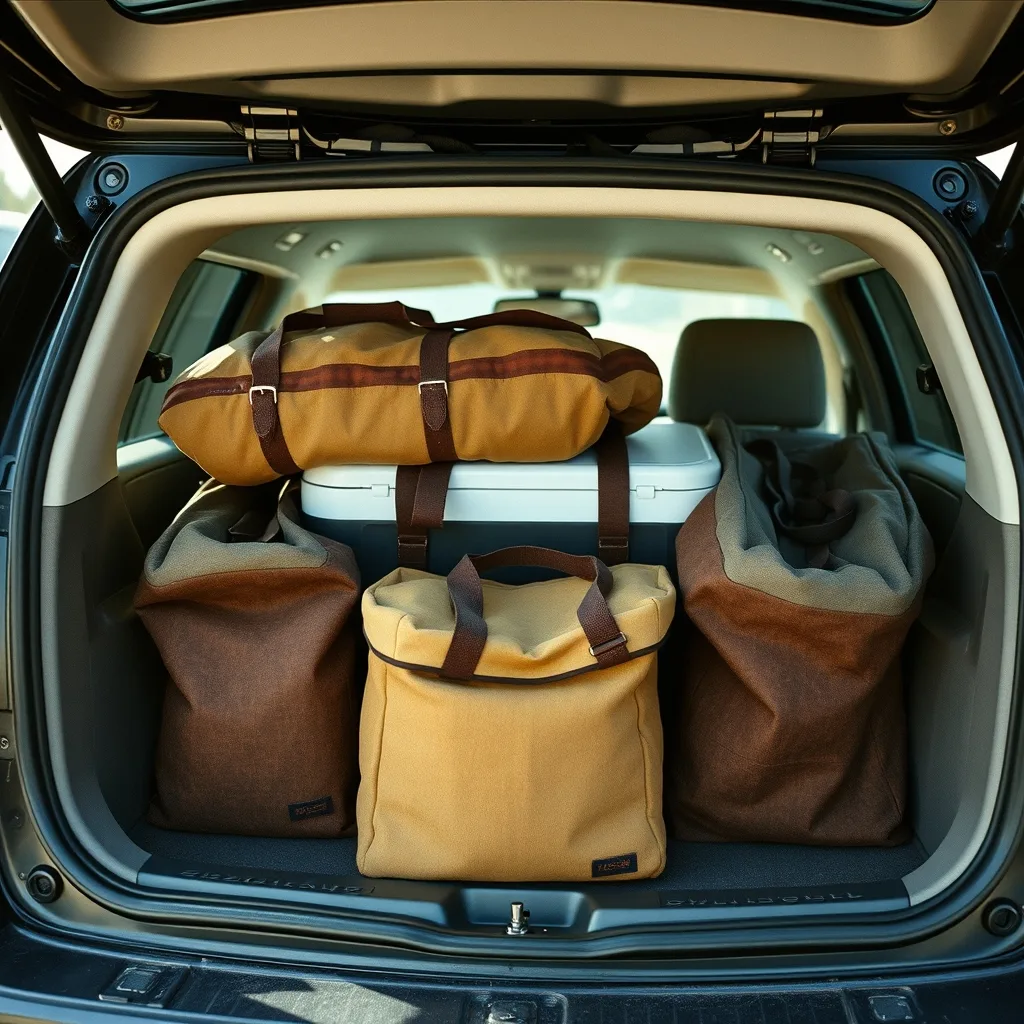
Summer Road Trip Cars Body Styles Compared
Midsize SUVs lead summer road trip cars rankings because they balance cargo room, ride height, and all-weather grip. Minivans win for sliding doors and third-row space. Wagons and large sedans ride quietly and use less fuel on flat highways.
| Body Style | Cargo | Comfort | Mileage |
|---|---|---|---|
| Midsize 3-row SUV | 80+ cu ft | High, calm ride | 23-28 mpg |
| Minivan | 140 cu ft max | Best for kids | 22-28 mpg |
| Large sedan | 18 cu ft trunk | Quiet, smooth | 28-35 mpg |
| Wagon / hatch | 30-70 cu ft | Easy parking | 28-34 mpg |
Pick a 3-row SUV or minivan when you carry five people plus luggage. Choose a sedan or wagon for couples who value quiet cruising and fewer fuel stops. Check a most reliable car for long trips report for your model year before buying for trips.
What Makes a Car Great for Long Drives
Seat support matters more than leather trim. Look for adjustable lumbar, wide cushions, and rear vents. Adaptive cruise control, lane assist, and Apple CarPlay reduce fatigue on eight-hour days.
Noise control separates good summer road trip cars from tiring ones. Acoustic glass, calm engines under 2,500 rpm at 70 mph, and smooth 8-speed automatics keep conversation easy. Roof boxes add space but raise wind noise, so pack inside first.
Prep Checklist Before You Leave
Fresh fluids and firm tires prevent most roadside stops. Follow this regular maintenance checklist a week before departure so parts arrive in time. A mobile mechanic pre-trip inspection can handle the check at home when shops are booked.
- Tires at door-sticker pressure plus spare, jack, and wrench check
- Oil, coolant, brake fluid, and washer fluid topped to full marks
- Wipers, headlights, brake lights, and AC cooling test
- Emergency kit: water, snacks, charger, flashlight, first aid
See the NHTSA summer driving tips for heat safety, tire blowout response, and child seat checks in hot weather.
Who Should Pick Which Type
Families of five or more fit best in minivans or 3-row SUVs among current summer road trip cars. Couples who drive 500 miles per day do well in large sedans with ventilated seats. Campers who use roof tents need 5,000-pound towing and full-size spare tires.
Rent before you buy when unsure. A three-day rental reveals seat comfort, infotainment quirks, and real fuel use better than any brochure.
Verdict: Comfort and Cargo Win Summer
The best summer road trip cars are quiet midsize SUVs and minivans with supportive seats, 75 cubic feet of cargo, and driver aids for long days. Prep tires and fluids, pack light inside, and plan fuel stops every three hours to stay fresh.
Keep this comparison with your buying notes. Test two body styles back to back on the same highway loop, then choose the calmer cabin with the easier cargo load floor.
How to Cut Fuel Costs on Long Highways
Smooth speed saves more fuel than any gadget. Hold 65 to 70 mph where traffic allows and use cruise control on flat sections. Every 5 mph above 50 mph works like paying an extra fee per gallon.
Lighten the load and keep tires firm. Remove roof boxes when empty and take out heavy gear you will not use. Check pressure each morning when tires are cold, because heat buildup raises rolling resistance on long summer road trip cars drives.
Plan fuel stops in towns with several stations near highway exits. Prices run lower where competition is strong. Fill up before remote stretches of 100 miles or more, and track mileage per tank to spot sudden drops that signal a problem.
Keeping Kids and Cargo Calm
Pack a small bag per child with water, snacks, wipes, and offline games. Mount sunshades on rear windows and set rear climate 2 degrees cooler than the front. Stop every two to three hours at rest areas with shade and restrooms.
Load heavy bags low and forward over the axle in top summer road trip cars layouts. Keep the cooler, documents, and chargers within reach from the driver seat. Leave nothing loose that can fly forward during hard braking.
Test car seats a week early and clean buckles of crumbs that jam latches. A calm cabin with steady temperature prevents most back-seat complaints before lunch.
Safety Habits for Hot Weather
Heat kills batteries and tires faster than cold. Park in shade when possible and crack windows only when safe. Never leave kids or pets inside, even for a minute, since cabin heat spikes past 120 degrees quickly.
Watch gauges after long climbs and turn off the AC briefly if the needle rises. Carry extra water for both people and the radiator. These simple habits keep proven summer road trip cars reliable across desert and mountain routes.
Quick Comparison Method at the Dealer
Bring a tape measure and your largest suitcase to every test drive. Fold the third row, slide seats forward, and load the case to compare real cargo floors. Sit in the middle seat for ten minutes with the engine running to judge noise and vibration fairly.
Drive the same five-mile loop with highway and rough pavement in each candidate. Note seat pressure points, mirror blind spots, and screen glare at noon. The calmer car with simpler controls usually wins long summer days.
Save fuel receipts and note mileage each evening to learn your true highway average. Keep insurance cards, registration, and roadside numbers in the glove box before the first mile.
Share this checklist with every driver in your group so tire checks and rest stops stay on schedule all week.
Which car type is most comfortable?
Midsize SUVs and minivans lead for seat support, quiet cabins, and cargo room. Test two body styles on the same loop before deciding.
How do I prepare my car for summer?
Check tire pressure, fluids, wipers, lights, and AC a week early. Pack water, chargers, and a spare-tire kit for every trip.
How often should we stop?
Stop every two to three hours for fuel, water, and stretching. Short breaks cut fatigue and keep kids calm on long days.

Dinda Margareta is a senior automotive editor at Auto Store covering collision repair, EV tech, and classic restoration. 5+ years, 130+ guides. Method: OEM position statements and repair data cross-reference. Author of 2,333 auto guides since 2022.



More Stories
TAG Heuer Releases A Special Edition Monaco Watch In Time For The 2022 Monaco Grand Prix
History On the Light Box
Review: The 2022 Honda Passport TrailSport trucks up