

Table of Contents
Turbo transforms a small engine into a stronger and more efficient machine without adding much size. Details below explain boost, lag, and daily care in simple terms. Even so, now, most motor vehicle brands use trusty boost for their cars and trucks. In this information we’re seeking at particularly what a turbo does and how it performs.
A blower boosts the efficiency and energy of an motor. How does it do this? The unit forces extra air (and gasoline) into the motor which leads to a larger explosion. This means more electrical power for your vehicle – appears great, right?
What distinction does a turbocharger make?
The unit extracts additional ability out of an engine and can help a little engined automobile outperform a larger sized car. The core part is a snail-formed tube. It is produced up of a turbine and a compressor. These units maximize torque, or an engine’s strength, notably at reduced revs. It is specifically valuable in small petrol engines as these are typically not able to deliver significantly torque at high revs devoid of the aid of a turbo.
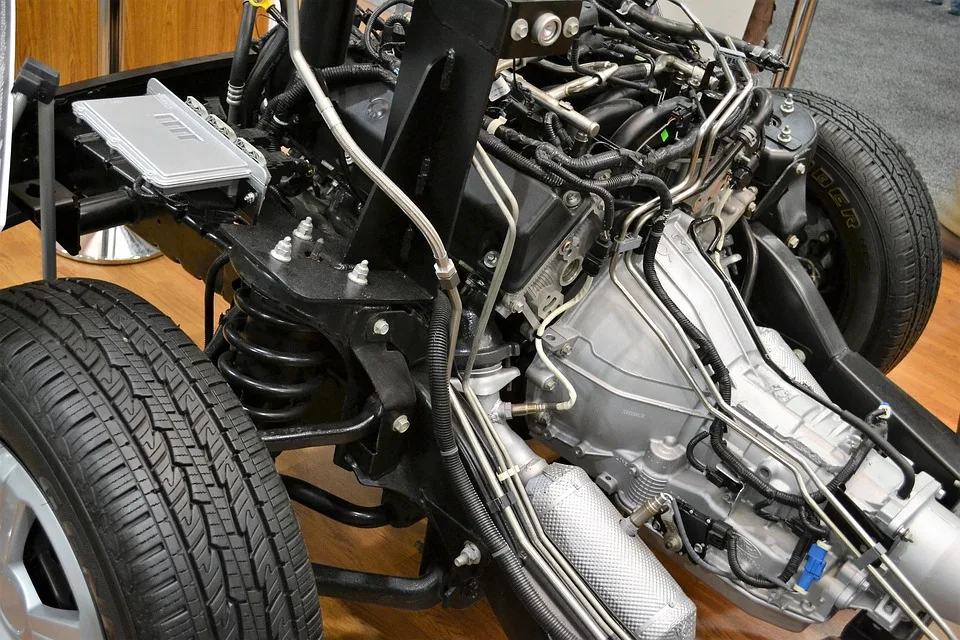
It’s not just about electric power. It’s also a way to make engines more productive. This position should switch the heads of both equally petrolheads and motorists who are hunting to preserve funds on working charges.
Formerly, cars and trucks experienced by natural means-aspirated engines. Back again in 2015, a British motoring outlet even released a attribute questioning regardless of whether the dominance of boost was the beginning of the close of the in a natural way aspirated engine.
The pledge to decreased automobile emissions in the 90s, along with a push for larger effectiveness in the automobile market, noticed boost consider favour. The unit was ready to crank out a whole lot extra electric power with a a lot lesser engine. The need for significantly less cylinders also meant considerably less friction. So all in all boosted cars could typically outperform the purely natural aspirators.
Any downsides?
We’ve spoken a good deal about the positive aspects of trusty boost, but are there any downsides? With much more primitive turbochargers, motorists described a ‘lag’ between placing their foot on the accelerator pedal and the unit getting to be absolutely engaged. Also some of the common naturally-aspirated vehicles supplied a a lot more sonic, classically sporty soundtrack, which some petrolheads will favor.
How to know if your car has a turbo engine?
So, if you are won over by boost, you are almost certainly wondering how to know if your automobile has just one. Or, you may be asking yourself the reverse – no matter whether there are any fashionable cars that really don’t have turbo engines?
With the increase of the turbo, most new autos are equipped with a person. However, there are some corporations that are nevertheless supplying the non-boosted. These are number of and far amongst even though, so you are most most likely to have luck obtaining a common naturally-aspirated engine car in a made use of motor vehicle showroom. If you’re looking to purchase a vintage automobile with no boost, you can stop by your nearby utilised auto dealership to see if they have a modern day or older non-turbo car or truck, this kind of as the Mazda MX-5 RF, Toyota GT86 or the Porsche 911 GT3.
Hopefully, this guideline has answered your queries about what a turbo is and how it works.
Comparison Table: Boost Levels Compared
Forced induction spans mild assistance to full race pressure. Compare stages below before judging any blown engine. Each stage suits distinct budgets, driving styles, and reliability expectations worth weighing carefully.
| Stage | Character | Cost Signal | Best For |
|---|---|---|---|
| Mild assist | Gentle low-end help | Low | Economy commuters |
| Sport setup | Strong midrange punch | Moderate | Enthusiast dailies |
| Race specification | Extreme top-end rush | High | Track weapons |
| Electric assist | Instant fill-in torque | Premium | New performance cars |
Who Feels the Biggest Difference
Small-engine owners climbing hills notice transformation first because slender motors gain muscle exactly when loaded. High-altitude drivers benefit similarly since thin air starves natural breathing. Readers wanting mechanical depth can study our how forced induction works for the engineering companion to this driver guide.
Overtakers on short slip roads value midrange surge that shortens exposure time. Learn rev ranges where assistance peaks for each driven car. Practice merging during quiet hours first, then progress to busy interchanges once spool behavior feels predictable and safe.
How to Spot a Blown Engine When Shopping
Check badges, under-hood plumbing, and intercooler faces during inspections, then confirm with manufacturer spec pages like the Garrett Motion engineering resources. Listen for spool whistle and DV flutter on test drives. Owners maintaining such cars can review our DIY maintenance basics for oil routines that protect heat-stressed hardware.
Next, verify service history showing timely synthetic changes without stretched intervals. Ask sellers for receipts spanning several years rather than trusting verbal claims about recent work alone. Walk away from modified examples lacking tuning receipts and dyno sheets. Request compression and leak-down numbers as well, since healthy base motors handle added pressure far longer than tired ones.
Verdict: Boost Rewards the Informed
Forced induction multiplies small engines brilliantly when sized and serviced correctly. Learn the signs, verify history, and enjoy efficient punch. Informed shoppers consistently secure stronger cars for less money overall. Patience plus verification beats impulse buying every single time. Methodical research protects both wallets and long-term ownership satisfaction. Careful buyers enjoy confident motoring from day one onward, every single mile.
Does forced induction hurt reliability?
Properly engineered blown motors last well with timely synthetic oil and cool-down habits. Neglect and excessive heat kill hardware quickly regardless of aspiration type.
What is lag and does it still matter?
Lag is the brief delay before exhaust flow spins hardware to speed. Modern small units plus twin-scroll designs shrink delays to near invisibility in daily driving.
Should buyers prefer blown or big engines?
Blown small units suit economy with punch while big natural motors offer linearity and sound. Test both back-to-back over familiar roads before deciding.

Dinda Margareta is a senior automotive editor at Auto Store covering collision repair, EV tech, and classic restoration. 5+ years, 130+ guides. Method: OEM position statements and repair data cross-reference. Author of 2,333 auto guides since 2022.



More Stories
Amalgam Collection Announces Partnership With IndyCar, Reveals New Dallara Model
Tesla delays deliveries due to missing charge port part
2022 Dodge Durango R/T Hemi Orange revealed