

Table of Contents
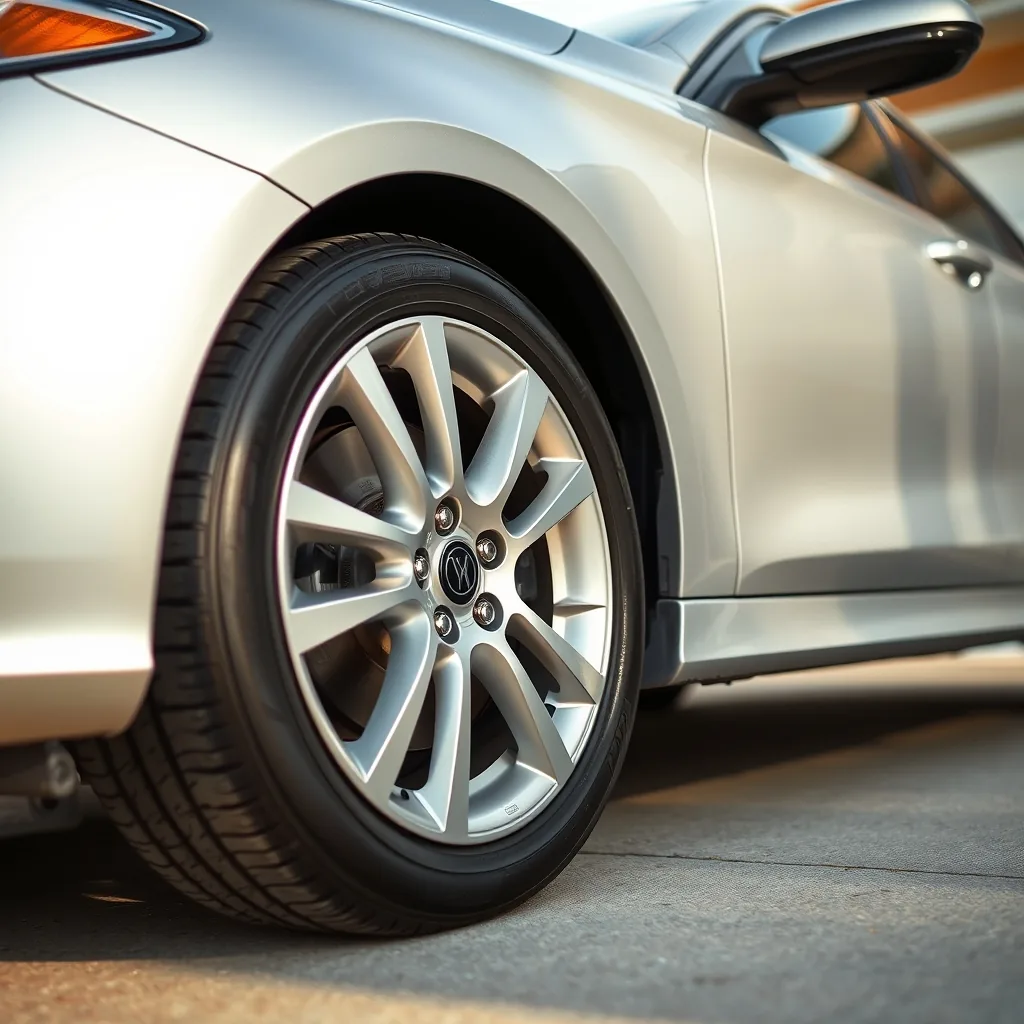
alloy wheel maintenance is the first skill every proud car owner should master when shiny new rims start looking dull. New cars often arrive with stylish silver rims, yet narrow spokes collect road dirt fast and brake dust leaves brown streaks that ruin the fresh look. This guide explains seven simple steps to clean, shield, and preserve that factory shine without expensive shop visits.
What Does Alloy Wheel Maintenance Involve?
Proper alloy wheel maintenance starts with understanding what soils your rims each week. Highway grime, mud, and hot brake dust bake onto narrow corners and spokes. Left alone, that film etches the finish and turns bright silver gray. A short weekly routine prevents buildup, keeps the car looking new, and helps you spot cracks or curb damage early.
New cars look sharp for a short while, then slender wheel arches start to look grubby as dirt gathers in their corners. Aside from filth thrown up by the road surface, brake dust is the worst offender because it bonds when wheels run hot. The good news is that mud, dust, and light discoloration respond well to basic tools and a careful method at home.
What Are the Essential Cleaning Steps?
Invest in a quality cleaner made specifically for alloy rims, since harsh chemicals can harm the finish. Read the label first and test the product on a hidden spot before spraying the whole wheel. For the fundamentals that apply to the entire vehicle, review this routine car maintenance checklist alongside the wheel steps below.
Wear latex or rubber gloves every time you perform alloy wheel maintenance because wheel cleaners contain strong chemicals. Standard disposable gloves work fine and protect your skin during scrubbing. If you clean your rims every week or two, keep a box in the garage so protection never feels like a chore.
Blast loose dirt with a pressure washer before touching the surface. A strong stream removes caked mud and grit that would otherwise scratch the finish during contact washing. Start with lower pressure and raise it only as needed, keeping the nozzle moving so you never carve lines into the coating.
Read the label carefully because correct alloy wheel maintenance depends on matching chemistry to the rim type. Never use dish soap on aluminum rims since it can strip the protective coating. For copper or graphite coated rims, avoid acidic formulas and use warm water with a soft cloth instead. A dedicated aluminum safe cleaner or a mild all purpose product is the safer pick.
How Can Alloy Wheel Maintenance Protect Your Rims?
Allow the cleaner to dwell at least ten minutes so the chemistry can loosen bonded contamination. This soak lets active ingredients reach pores in the metal and soften corrosion spots. Longer dwell time usually improves results, so avoid rushing this stage and use a soft polishing cloth for agitation.
Rinse thoroughly before the product dries because rushed alloy wheel maintenance can stain a hot finish. Some cleaners harm coatings when left too long, so flood every spoke, lug recess, and barrel with clean water. Follow with a light polish or compound to build gloss, and treat small tarnish spots with a gentle metal polish from any home goods store.
Add a dedicated wheel wax for an extra layer of defense against daily wear. This sealant shields the outer surface from scratches, dings, road salt, and winter slime on both steel and alloy rims. A thin coat every two or three months keeps rims looking new for years, and most formulas survive winter until spring.
Routine alloy wheel maintenance also means a quick weekly inspection of each rim in good daylight. Look for cracks, bends, flaking coating, and slow leaks around the valve stem. Catching damage early keeps repair bills small and prevents vibration or air loss on the highway.
Care for the whole car while the wheels soak, since comfort systems need attention on the same schedule. When cabin cooling weakens or airflow smells musty, follow this car AC maintenance guide to stay comfortable through summer traffic.
Dry each rim fully after the final rinse because air drying leaves mineral spots on bright finishes. Use a clean microfiber towel and work spoke by spoke, then wipe the lug recesses and valve area where water hides. In winter, clear salt from the barrel and behind spokes right after slushy drives. Check tire pressure monthly too, since soft tires wear unevenly and hurt fuel economy.
Consistent alloy wheel maintenance saves money compared with frequent professional refurbishing. Compare methods with the Tire Rack wheel care guide from a leading tire and wheel retailer to confirm safe chemistry and technique. Pair that primer with the steps above and you will avoid guesswork that damages expensive finishes.
The Bottom Line
To sum up, alloy wheel maintenance rewards owners who act early and stay consistent. Wash weekly, use rim safe chemistry, protect gentle gloves, rinse well, and seal with wax every few months. Do these seven things and your rims will keep their glow and sparkle for a long time without draining your budget.
How often should I clean my alloy rims?
Wash your rims every week or two, and always after rain, snow, or dusty highway trips. Frequent light washes prevent brake dust from bonding and keep the finish bright and smooth. Add a full decontamination plus fresh wax every two or three months for lasting defense.
Which cleaner is safe for coated rims?
Choose a product labeled safe for aluminum or coated rims, then test it on a hidden spot first. Skip dish soap and strong acids that can strip protective layers. Warm water with a soft cloth handles delicate copper or graphite coatings without harm.
Does wheel wax really help the finish last?
Yes. A thin layer of wheel wax seals the surface against salt, grime, brake dust, and minor scratches. Reapply every two or three months after a full wash and complete drying. Covered storage plus regular wax keeps rims glossy through winter until spring arrives.

Dinda Margareta is a senior automotive editor at Auto Store covering collision repair, EV tech, and classic restoration. 5+ years, 130+ guides. Method: OEM position statements and repair data cross-reference. Author of 2,333 auto guides since 2022.



More Stories
Mercedes To Gradually Eliminate Manual Gearbox From 2023
Tesla Stock Vs. BYD Stock: Tesla Rebounds As China EV Rival Flashes Buy Signal
2022 Kia EV6 Review: One of the best EVs yet